- Optimist Residence, Fikirtepe, NO:10/35, 34720 Kadıköy/İstanbul
- +90 535 056 01 50
- info@akininaloz.com.tr

BREAST SURGERY TURKEY
Comprehensive Guide to Breast Surgery in Istanbul, Turkey
Breast surgery encompasses a diverse array of advanced aesthetic and reconstructive interventions tailored to modify volume, projection, symmetry, and overall anatomical contour. Performed within fully accredited surgical facilities in Istanbul, modern surgical protocols prioritize individualized anatomical assessment, meticulous tissue management, and predictable aesthetic outcomes. International patients traveling from the United Kingdom and across Europe benefit from comprehensive surgical planning, high-grade implant technologies, and structured post-operative care pathways designed to ensure safety, clinical efficacy, and long-term satisfaction.
Modern aesthetic surgery has shifted away from generalized, one-size-fits-all methodologies toward highly customized anatomical tailoring. Every thoracic structure presents unique biomechanical and morphological characteristics, including chest wall width, skin elasticity, native breast base diameter, and parenchymal distribution. Achieving harmonious, balanced results requires rigorous pre-operative planning, advanced imaging diagnostics, and an in-depth understanding of tissue dynamics under gravitational and muscular forces.
Anatomical Foundations and Surgical Classification
Surgical interventions involving the breast are broadly categorized based on the specific aesthetic or functional objectives of the patient. Understanding the baseline anatomical structure—including glandular tissue, adipose distribution, pectoral musculature, fascial attachments, and skin envelope elasticity—is essential for determining the most appropriate surgical modality.
Volume Enhancement (Augmentation): Designed to increase bust dimensions and improve contour proportionality using biocompatible implants or autologous fat transfer techniques.
Tissue Elevation and Reshaping (Mastopexy): Addresses ptosis (sagging) by excising redundant skin envelope structures and tightening the internal suspensory ligamentous network (Cooper’s ligaments).
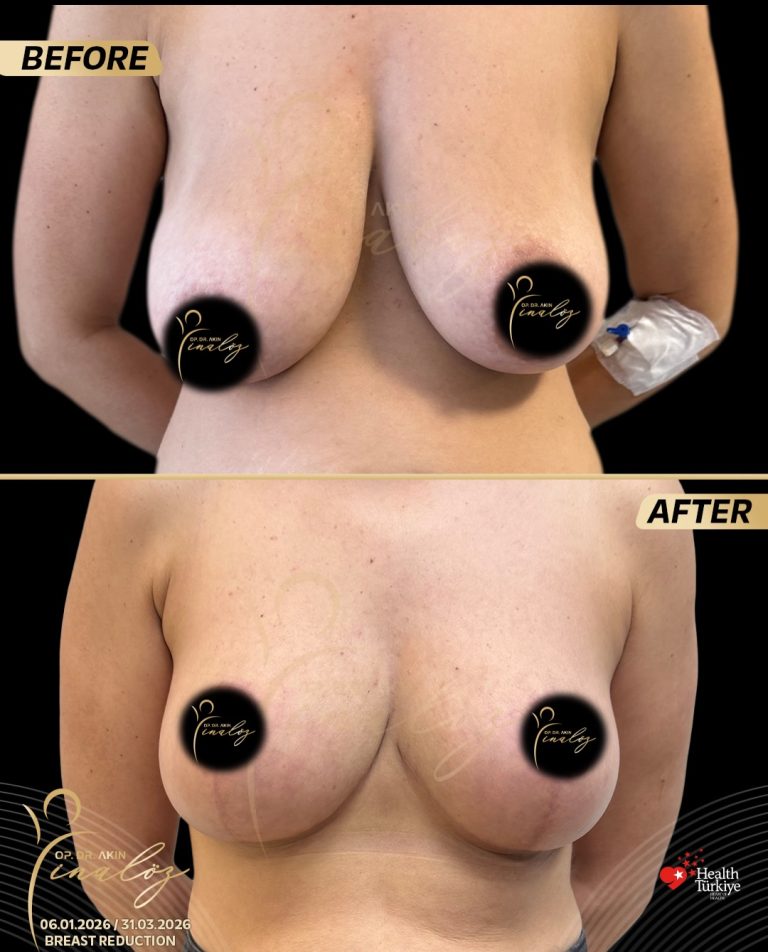
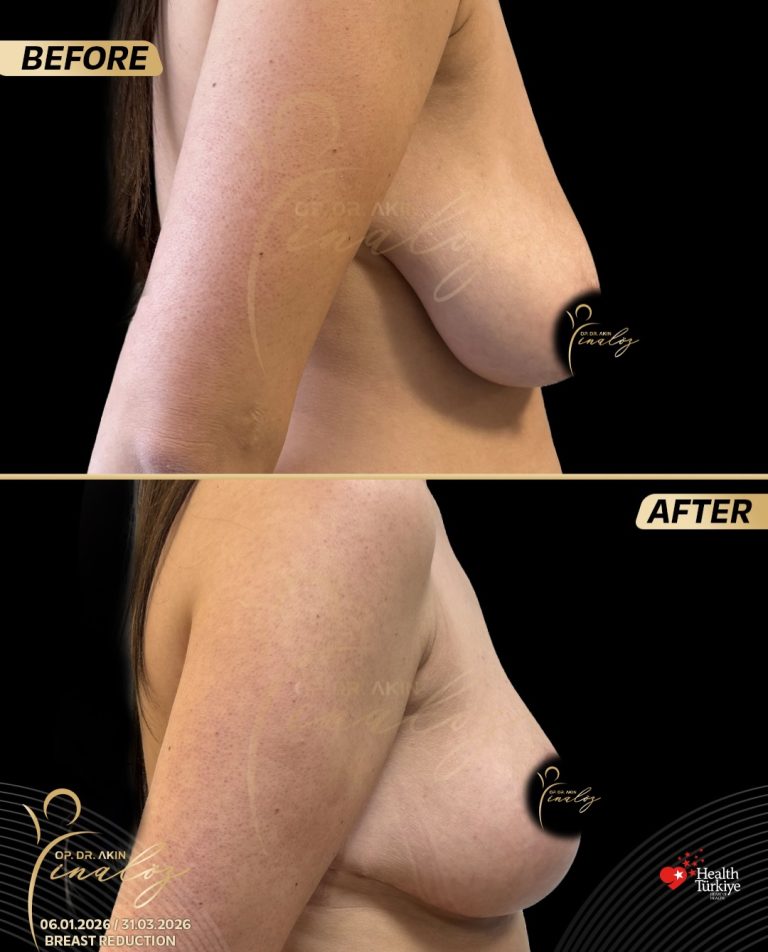
Volume Reduction (Reductional Mammoplasty): Alleviates physical symptoms associated with macromastia, such as chronic cervical and dorsal myalgia, by removing excess glandular tissue and adipose deposits.
Revisionary Procedures: Specialized secondary interventions performed to modify, replace, or remove pre-existing devices or correct prior surgical asymmetries and capsular complications.
Core Breast Surgery Procedures and Technical Modalities
1. Breast Augmentation (Augmentation Mammoplasty)
Breast augmentation utilizes medical-grade silicone gel implants or alternative volumetric devices to enhance overall breast volume and restore upper-pole fullness. Modern fifth-generation cohesive silicone implants are engineered to maintain their structural integrity even under high-stress mechanical conditions.
Implant Profiles and Textures: Surgical planning involves selecting the appropriate base width, projection vector, and profile configuration (low, moderate, high, or extra-high) aligned with the patient’s thoracic skeletal structure. Cohesive gel variants provide a natural tactile feel while mitigating the risk of gel migration in the rare event of a shell compromise.
Surgical Placement Planes: Implants may be placed in a subglandular position (directly beneath the mammary gland and superficial to the pectoral fascia) or a submuscular / dual-plane position (partially beneath the pectoralis major muscle). The dual-plane technique is frequently selected to soften the upper transition zone, minimize the visibility of implant margins, and provide optimal soft-tissue coverage over the upper pole.
Incisional Approaches: Access pathways include inframammary (along the lower breast crease), periareolar (at the margin of the areola), and transaxillary (via the armpit) incisions. Each approach is meticulously chosen to optimize surgical visibility while minimizing visible cutaneous scarring.
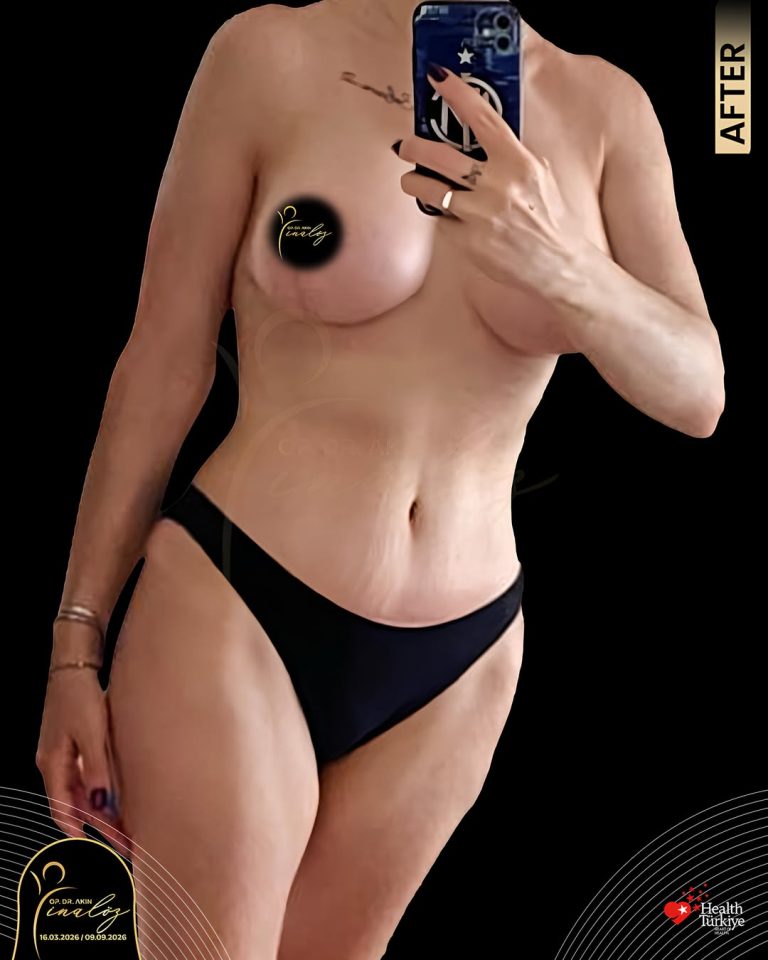
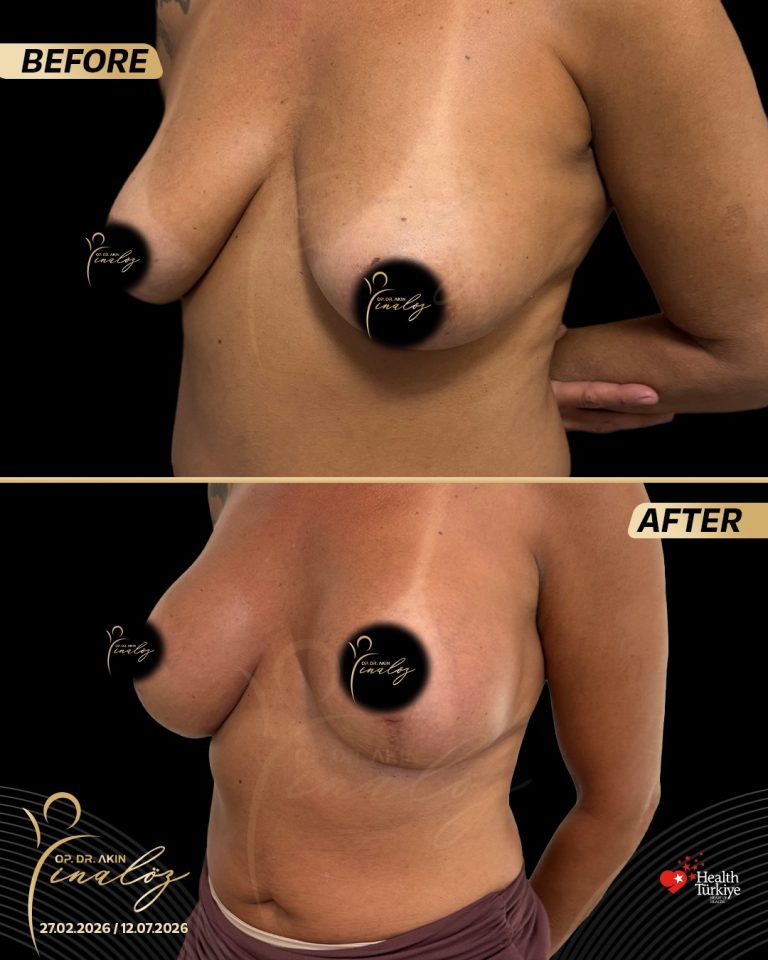
2. Breast Lift (Mastopexy)
Over time, factors such as gravitational forces, physiological fluctuations, massive weight loss, and intrinsic connective tissue laxity contribute to dermal stretching and superior displacement of the nipple-areolar complex (NAC). Mastopexy surgically re-suspends the ptotic breast parenchyma to restore a youthful aesthetic baseline.
Classification of Ptosis: Surgical techniques vary according to the degree of sagging, evaluated via Regnault’s classification system. Mild to moderate ptosis may require periareolar or vertical (donut/lollipop) incision patterns, whereas severe ptosis necessitates an inverted-T (anchor) incision to excise substantial vertical and horizontal skin excess.
Parenchymal Reshaping and Pedicles: The internal glandular matrix is elevated, auto-augmented using local tissue flaps, and anchored securely to the underlying chest wall fascia. Preserving the blood supply to the NAC via specialized vascular pedicles ensures sensory preservation and long-term viability.
3. Breast Reduction (Reductional Mammoplasty)
Macromastia frequently produces secondary somatic complications, including chronic upper back and shoulder pain, intertriginous dermatitis beneath the inframammary fold, and neurological impingement syndromes caused by chronic bra strap pressure.
Tissue Resection and Pedicle Preservation: During reduction mammoplasty, calculated volumes of glandular, adipose, and cutaneous tissue are excised in a precise geometric pattern. Preserving the neurovascular pedicle (typically superior, superomedial, or inferior) ensures the preservation of NAC sensitivity and lactiferous duct functionality.
Symmetrical Remodeling: The remaining parenchymal tissue is meticulously sculpted and sutured into a high-projection, proportionate anatomical mound, significantly improving posture, relieving somatic discomfort, and restoring physical quality of life.
4. Implant Revision Surgery
Implant revision encompasses any secondary surgical procedure addressing prior augmentation or reconstruction. Indications for revision include capsular contracture (fibrotic scar tissue tightening around the implant), implant malposition, late seroma formation, structural rupture, or a patient-driven desire for dimensional adjustment (upsizing or downsizing). The procedure may involve total capsulectomy (removal of the fibrotic capsule), device exchange, or conversion from implants to autologous reconstruction frameworks.
The Comprehensive Clinical Pathway for International Patients
Undergoing medical procedures abroad requires a structured, multi-phase framework ensuring clinical continuity from initial virtual consultation to final post-operative clearance and long-term monitoring.
Remote Diagnostics and Initial Assessment: Initial evaluations involve digital photographic analysis, comprehensive medical history reviews, and virtual consultations to discuss anatomical expectations, review historical imaging, and establish preliminary surgical candidacy.
Pre-Operative Evaluation in Istanbul: Upon arrival at the accredited facility in Istanbul, physical examinations, comprehensive blood panels, and age-appropriate imaging (such as ultrasound or diagnostic mammography) are conducted by the multidisciplinary medical team.
Surgical Execution and Anesthesia Protocols: Interventions are performed under general anesthesia administered by qualified, board-certified anesthesiologists within sterile operating theaters equipped with advanced life-support and monitoring technology.
Immediate Post-Operative Monitoring: Patients are transferred to specialized recovery units for continuous vital sign tracking, pain management optimization, and early mobilization protocols under direct medical supervision.
Recovery and Follow-Up Protocols: Post-surgical check-ups verify proper wound healing, assess edema reduction, and clear the patient for safe return travel to the United Kingdom, supplemented by remote telemedical monitoring channels.

Op. Dr. Akın İnalöz
Plastic & aesthetic surgeon, Kadıköy, Istanbul
Quick Enquiry
Things You Might Be Wondering
Frequently Asked Questions
Most patients require approximately 7 to 10 days of local rest in Istanbul before undertaking international air travel or returning to sedentary work duties. Complete resolution of post-operative edema and the resumption of high-impact physical exercise or heavy lifting generally requires 4 to 6 weeks, subject to individual tissue healing characteristics.
All accredited surgical interventions take place within high-level hospital environments utilizing strict laminar airflow sterilization systems, advanced surgical monitoring equipment, and internationally certified medical device manufacturers.
Yes. An augmentation-mastopexy combines tissue elevation with volumetric enhancement. This combined approach restores youthful parenchymal positioning while simultaneously increasing upper-pole fullness, executed in a single surgical setting.
Surgeons utilize meticulous tension-free multilayer closure techniques, dissolvable subcutaneous sutures, and specialized atraumatic instrumentation. Post-operative scar management protocols, including silicone sheeting and topical silicone gels, are subsequently recommended during the maturation phase.
Contemporary fourth and fifth-generation silicone gel implants utilize highly cohesive cross-linked gel structures that prevent fluid migration. Extensive clinical data confirms their high safety profile, durability, and biocompatibility, supported by routine post-market surveillance and standardized clinical follow-up guidelines.
Travelling from the UK for breast surgery?
See how the consultation, treatment and recovery process works, start to finish.
Op. Dr. Akın İnalöz
Natural Aesthetic Evolutions
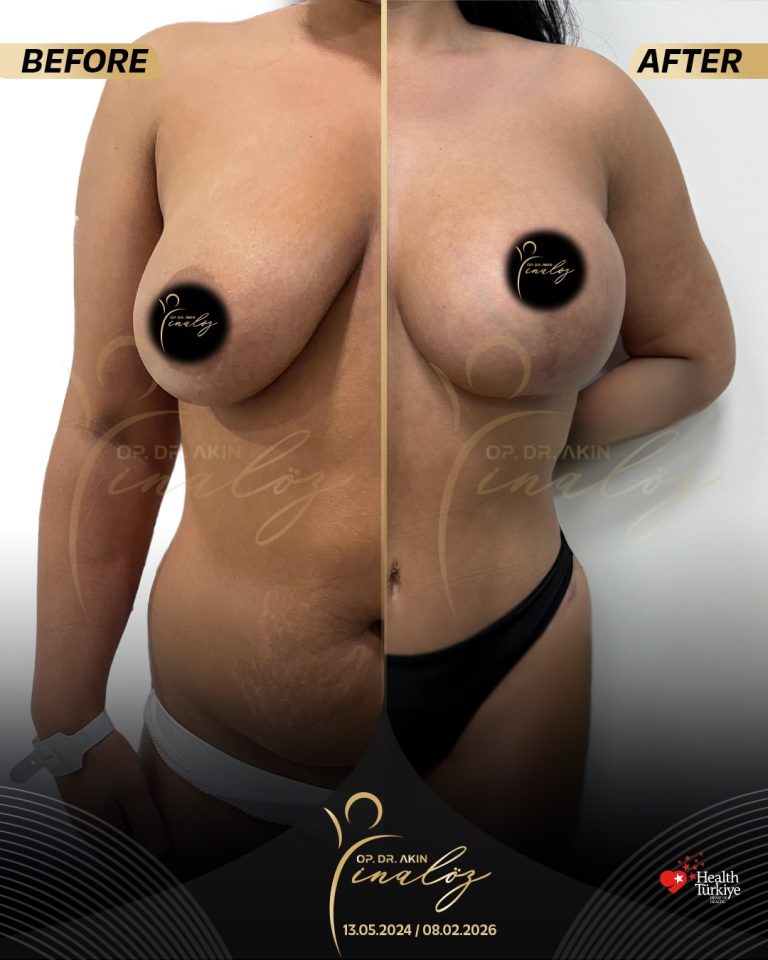
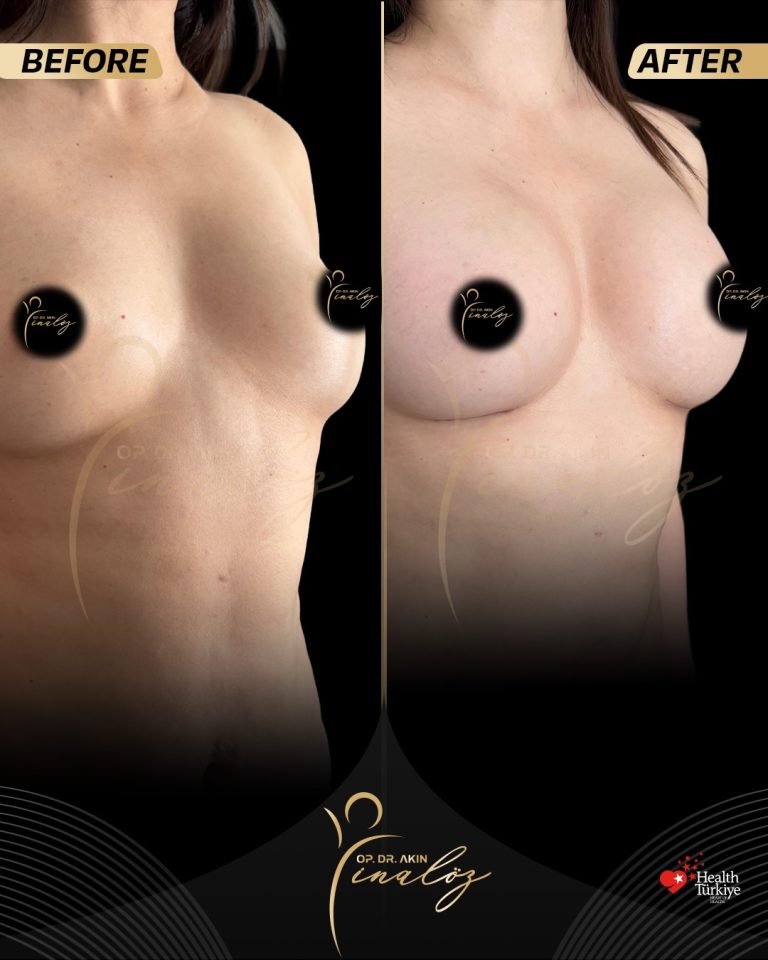
My goal is not just to perform a procedure, but to guide each patient through a safe, well-planned process toward a result that feels genuinely their own.
Results shown are of actual patients and may vary.
RELATED PROCEDURES
Considering Breast Surgery?
Contact info
- Optimist Residence, Fikirtepe, NO:10/35, 34720 Kadıköy/İstanbul
- +90 535 056 01 50
- info@akininaloz.com.tr