- Optimist Residence, Fikirtepe, NO:10/35, 34720 Kadıköy/İstanbul
- +90 535 056 01 50
- info@akininaloz.com.tr

BREAST REDUCTION
Comprehensive Guide to Breast Reduction (Reductional Mammoplasty) in Istanbul, Turkey
Breast reduction surgery, clinically designated as reductional mammoplasty, is a sophisticated and highly specialized surgical intervention designed to alleviate the physical, dermatological, and psychological burdens associated with macromastia. Excessively large and heavy breasts frequently generate chronic musculoskeletal strain, structural spinal adaptations, and localized dermatological complications that severely impact a patient’s overall quality of life. Performed within fully accredited surgical facilities in Istanbul, modern reduction protocols prioritize precise anatomical reduction, predictable projection stabilization, and harmonious thoracic proportionality. International patients traveling from the United Kingdom and across Europe benefit from comprehensive surgical planning, advanced parenchymal shaping methodologies, and structured post-operative care pathways designed to ensure safety, clinical efficacy, and long-term aesthetic stability.
Modern aesthetic and reconstructive surgery has evolved significantly, moving away from generalized volume adjustments toward highly customized anatomical tailoring. Every thoracic structure exhibits unique biomechanical and morphological parameters, including chest wall width, skin envelope elasticity, native breast base diameter, soft-tissue thickness, and glandular distribution density. Achieving balanced, enduring results requires rigorous pre-operative planning, advanced surface mapping diagnostics, and an exhaustive understanding of soft-tissue mechanics under varying gravitational and postural loads.
Anatomical Foundations and the Clinical Indications of Macromastia
Macromastia is characterized by the disproportionate overgrowth of glandular, adipose, and cutaneous tissues relative to the patient’s overall body frame. This structural imbalance introduces continuous biomechanical forces on the axial skeleton, frequently resulting in chronic cervical, thoracic, and lumbar myalgia.
Somatic and Postural Complications: Persistent heavy loads on the anterior chest wall cause compensatory hyper-extension of the cervical spine and rounding of the shoulders, frequently leading to tension headaches, degenerative disc strain, and chronic nerve compression syndromes. Furthermore, deep grooves across the shoulders caused by heavy brassiere straps are a common physical manifestation.
Dermatological Challenges: The continuous skin-to-skin contact beneath the inframammary fold frequently creates a moist microenvironment prone to intertriginous dermatitis, fungal infections, chronic chafing, and painful maceration.
Psychosocial and Functional Impact: Beyond physical discomfort, macromastia often limits physical activity, restricts clothing choices, and contributes to body image dissatisfaction. Reductional mammoplasty restores functional mobility, relieves physical pain, and establishes a proportionate, balanced silhouette.
Surgical Modalities, Pedicle Preservation, and Resection Protocols
The execution of a reductional mammoplasty requires meticulous surgical planning regarding the precise volume of tissue to be excised and the preservation of the neurovascular supply to the nipple-areolar complex (NAC).
1. Vascular Pedicle Design and Sensory Preservation
Maintaining the delicate arterial inflow, venous drainage, and sensory innervation of the nipple-areolar complex is a critical technical priority. Surgeons utilize specialized pedicle designs—such as superior, superomedial, inferior, or central dermal-glandular pedicles—to safely anchor and transpose the NAC to its newly elevated anatomical position. These techniques ensure the preservation of lactiferous duct functionality and tactile sensation whenever clinically feasible.
2. Geometric Resection and Incision Patterns
Vertical (Lollipop) Reduction: Indicated for moderate macromastia and localized tissue excess, this pattern utilizes a periareolar incision combined with a single vertical line extending downward to the inframammary fold. It provides excellent superior projection and shaping with reduced horizontal scarring.
Inverted-T (Anchor) Reduction: Indicated for severe macromastia, extensive volume excess, and significant skin laxity. The anchor pattern incorporates a periareolar line, a vertical component, and a horizontal closure hidden neatly within the inframammary crease, allowing the precise excision of massive glandular and cutaneous loads while achieving a firm, stable contour.
The Comprehensive Clinical Pathway for International Patients
Undergoing advanced surgical procedures abroad requires a structured, multi-phase framework ensuring clinical continuity from initial virtual consultation to final post-operative clearance and long-term monitoring.
Remote Diagnostics and Initial Assessment: Initial evaluations involve digital photographic analysis, comprehensive medical history reviews, and virtual consultations to discuss anatomical expectations, review historical imaging, and establish preliminary surgical candidacy.
Pre-Operative Evaluation in Istanbul: Upon arrival at the accredited facility in Istanbul, physical examinations, comprehensive blood panels, and age-appropriate imaging (such as ultrasound or diagnostic mammography) are conducted by the multidisciplinary medical team.
Surgical Execution and Anesthesia Protocols: Interventions are performed under general anesthesia administered by qualified, board-certified anesthesiologists within sterile operating theaters equipped with advanced life-support and monitoring technology.
Immediate Post-Operative Monitoring: Patients are transferred to specialized recovery units for continuous vital sign tracking, pain management optimization, and early mobilization protocols under direct medical supervision.
Recovery and Follow-Up Protocols: Post-surgical check-ups verify proper wound healing, assess edema reduction, and clear the patient for safe return travel to the United Kingdom, supplemented by remote telemedical monitoring channels.

Op. Dr. Akın İnalöz
Plastic & aesthetic surgeon, Kadıköy, Istanbul
Quick Enquiry
Things You Might Be Wondering
Frequently Asked Questions
Most patients require approximately 7 to 10 days of local rest in Istanbul before undertaking international air travel or resuming sedentary work duties. Complete resolution of post-operative edema and the resumption of high-impact physical exercise or heavy lifting generally requires 4 to 6 weeks, subject to individual tissue healing characteristics.
Yes. Removing excess glandular and adipose tissue immediately unloads the axial skeleton and corrects anterior weight distribution. The vast majority of patients experience an immediate and sustained reduction in chronic cervical and dorsal myalgia, significantly improving posture and physical well-being.
While advanced pedicle preservation techniques are specifically engineered to protect the lactiferous ducts and nerve pathways, any major breast reduction carries a variable risk of impacting milk production. Patients planning future pregnancies should discuss this thoroughly during their comprehensive pre-operative consultation.
Surgeons utilize meticulous tension-free multilayer closure techniques, dissolvable subcutaneous sutures, and specialized atraumatic instrumentation. Post-operative scar management protocols, including silicone sheeting and topical silicone gels, are subsequently recommended during the maturation phase.
The surgical removal of excess glandular and adipose tissue provides long-lasting structural relief and contour stability. However, natural aging, gravitational forces, and significant weight fluctuations can gradually influence tissue elasticity over subsequent years. Maintaining a stable lifestyle helps preserve the surgical outcome indefinitely.
Travelling from the UK for breast surgery?
See how the consultation, treatment and recovery process works, start to finish.
Op. Dr. Akın İnalöz
Natural Aesthetic Evolutions
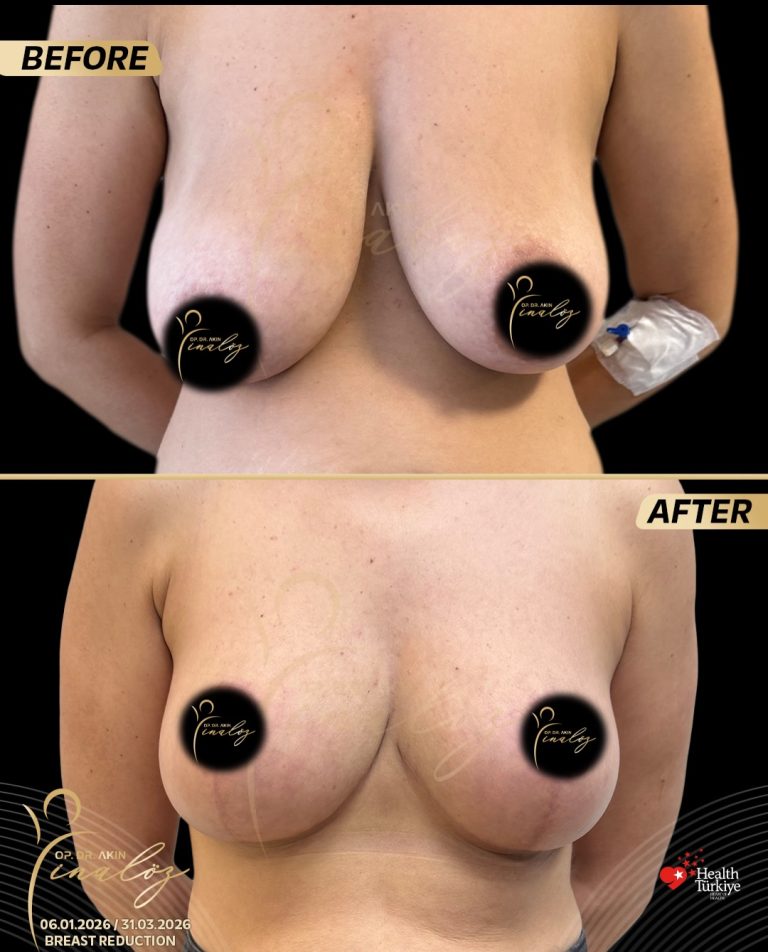
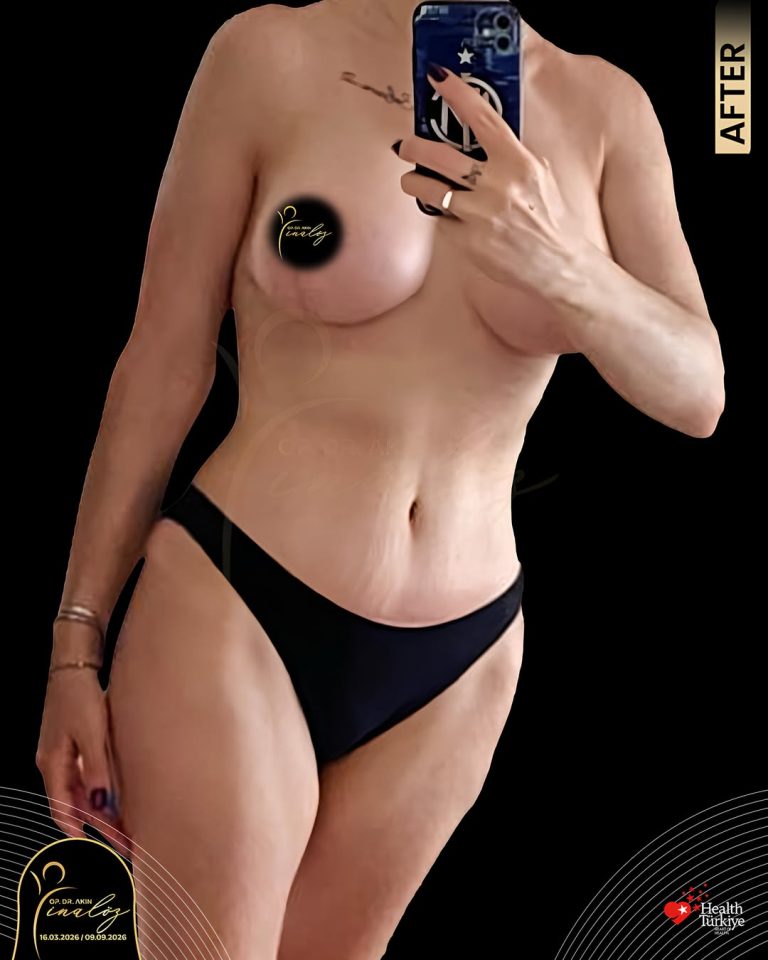
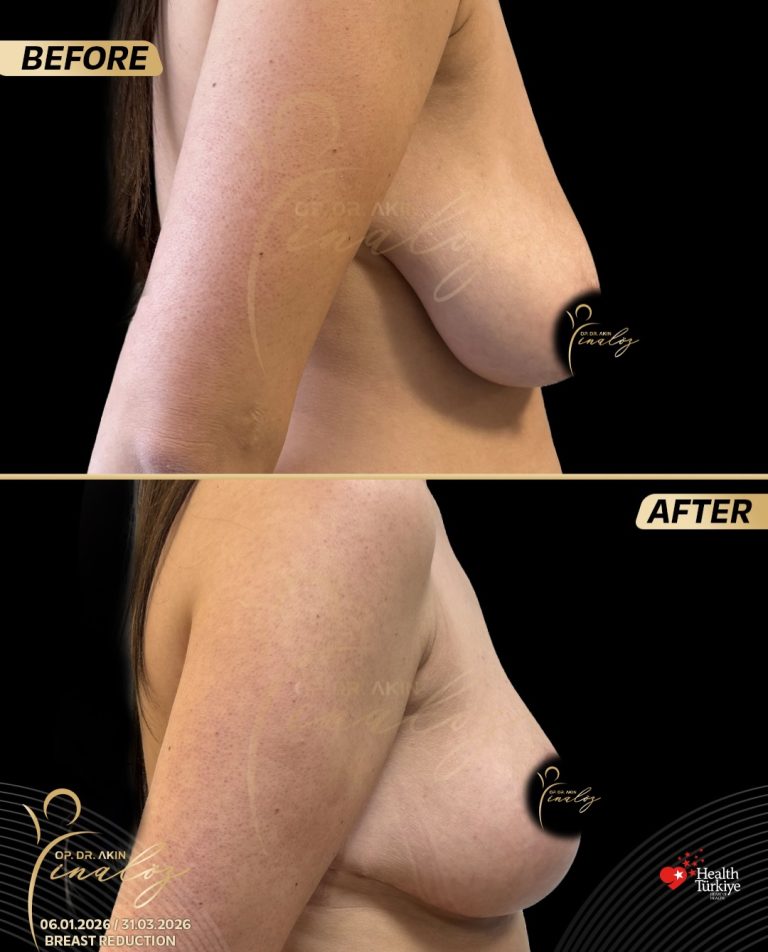
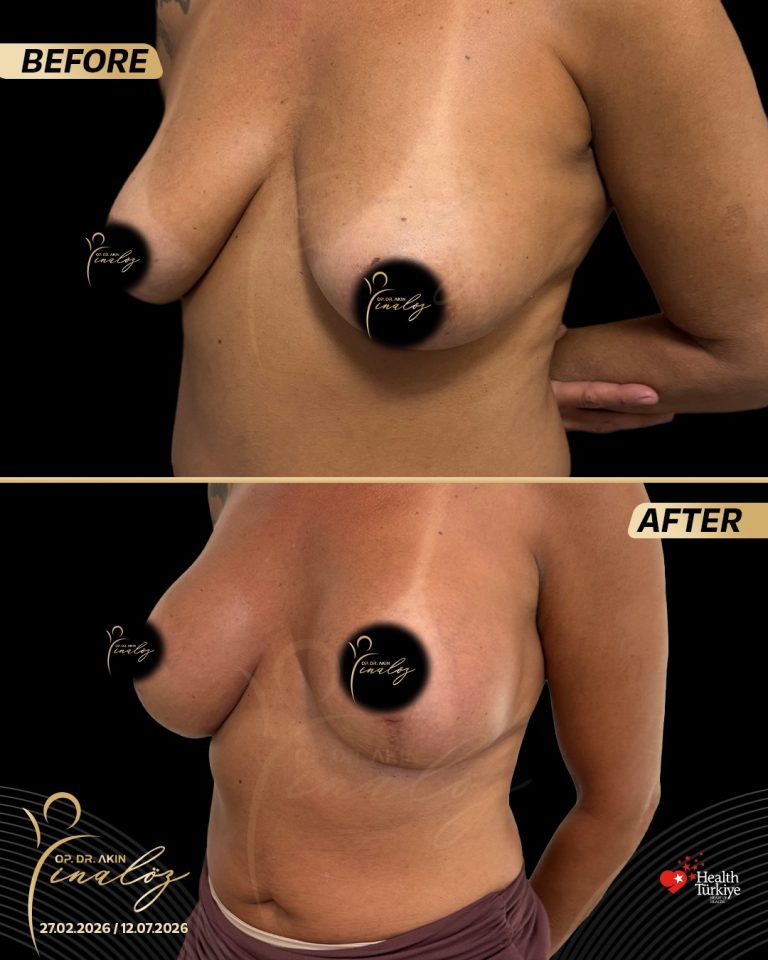
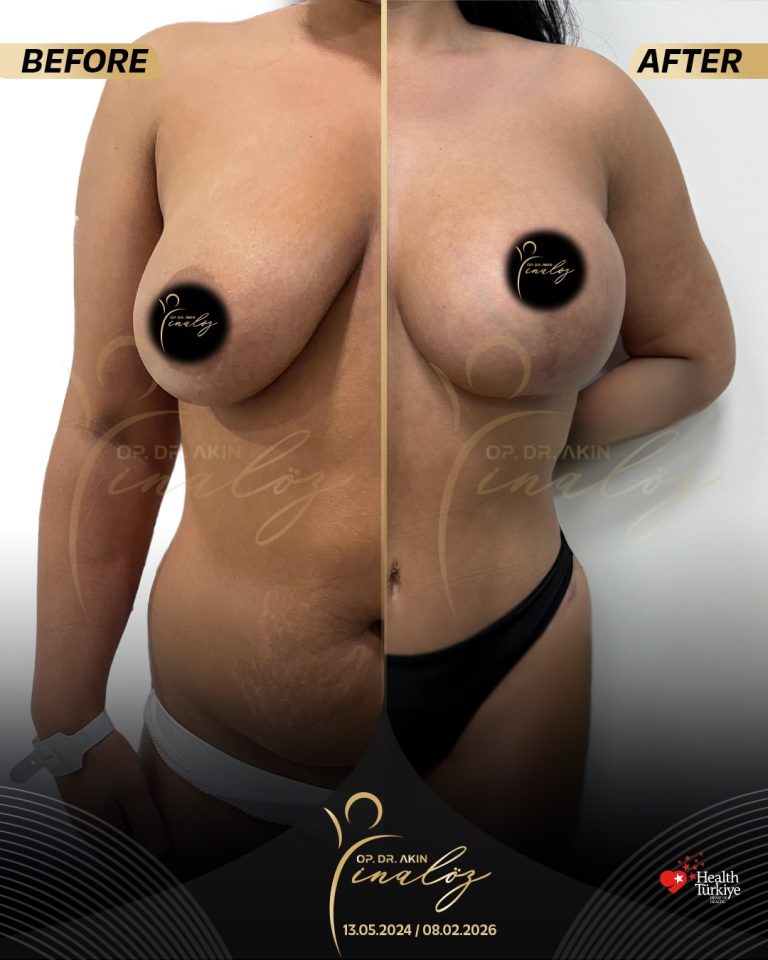
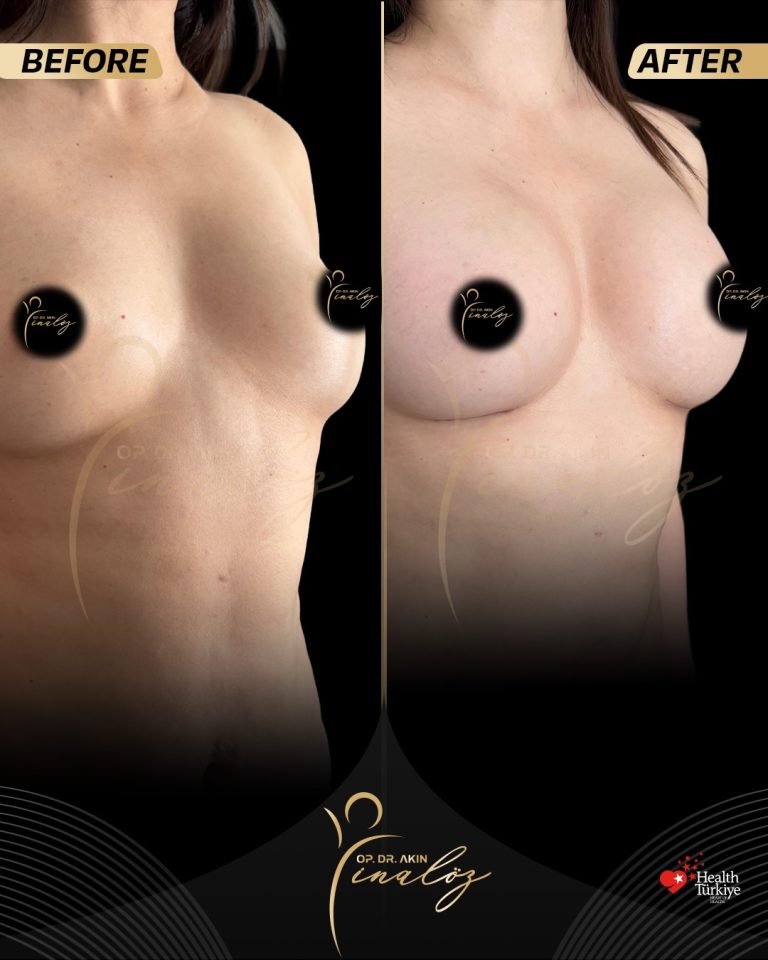
My goal is not just to perform a procedure, but to guide each patient through a safe, well-planned process toward a result that feels genuinely their own.
Results shown are of actual patients and may vary.
RELATED PROCEDURES
Considering Breast Surgery?
Contact info
- Optimist Residence, Fikirtepe, NO:10/35, 34720 Kadıköy/İstanbul
- +90 535 056 01 50
- info@akininaloz.com.tr