
- Optimist Residence, Fikirtepe, NO:10/35, 34720 Kadıköy/İstanbul
- +90 535 056 01 50
- info@akininaloz.com.tr

RETURNING TO THE UK
Returning to the UK
Flying home after surgery is a vital stage that deserves proper, careful preparation. While you’ll already have been thoroughly assessed as fit to travel, there are still practical steps worth taking to make your journey as comfortable and stress-free as possible, and to ensure a smooth transition back into everyday life once you finally land. This page walks through everything you need to consider in detail, so your journey home feels as straightforward, calm, and organized as the rest of your trip.
Choosing Your Flight Carefully
If you have any flexibility in your travel booking, it’s worth thinking very carefully about flight timing and duration when planning your return journey. Where possible, some patients prefer to avoid very long-haul connections or exhausting overnight flights immediately after surgery, opting instead for the most direct, convenient, and comfortable route available, even if it isn’t the absolute cheapest option. This is a personal decision, but one well worth considering alongside the expert clinical guidance you’re given about flying safely.
Booking seats with a little extra legroom, or requesting an aisle seat to make it significantly easier to move around periodically during the flight, are small, low-cost adjustments that can noticeably improve your comfort on the journey home.
Pre-Flight Checklist
Before your flight, it’s worth confirming a few essential practical details: ensuring that you have any medication you’ve been prescribed packed safely, that you fully understand any post-operative care instructions relevant to air travel, and that you have direct contact information for your clinical team in case you need to reach them while travelling or shortly after you arrive back home. It’s also worth double-checking any important documentation you may need, such as a formal summary of your treatment, just in case it’s required for insurance or future reference.
You should also consider practical comfort for the journey itself — wearing loose, comfortable clothing, any supportive garments you’ve been advised to wear, and allowing plenty of extra time at the airport so you’re never rushing between gates or carrying anything heavier than necessary.
Flying Safely After Surgery
Long periods of sitting during travel can affect circulation, which is something worth being mindful of after any surgical procedure. Simple, proactive measures such as moving periodically during longer flights, staying consistently hydrated, and wearing any prescribed compression garments can all help support your comfort and circulation during the journey home.
The specific guidance that applies to you will depend entirely on your particular procedure, and this will have been discussed with you thoroughly before you were cleared to fly. If you have any doubts or questions about travelling safely, these are well worth raising with your clinical team before your departure rather than leaving them unanswered until you’re already at the airport.
Settling Back In at Home
Once you’re home, it’s worth giving yourself explicit permission to continue taking things gently, even if you’re feeling reasonably well. The early days back in the UK are still very much a part of your overall recovery, and pacing yourself — rather than immediately returning to a full, demanding routine — supports a much smoother overall healing process, even if it feels tempting to jump straight back into normal life.
Arrange your home environment in advance if you can: having things you’ll need within easy reach, arranging help with everyday household tasks if appropriate, and giving yourself permission to rest without guilt all make a meaningful difference during this period. Many patients find it helpful to plan ahead for this before they even travel, so nothing needs to be organized in a rush once they’re back and still recovering.
Reconnecting With Everyday Life Gradually
Beyond the physical side of recovery, many patients notice an adjustment period simply in terms of daily routine — having spent days focused entirely on rest and healing, jumping straight back into a full schedule can feel far more jarring than expected. Easing back in gradually, even once you’re physically cleared to resume normal activities, often feels much more comfortable than resuming everything at once on day one.
What to Watch For
As with any recovery period, it’s helpful to have a general, calm sense of what’s completely normal and what might warrant contacting your clinical team. Your specific post-operative guidance will cover what to expect for your procedure, and it’s always infinitely better to reach out with a question that turns out to be nothing than to sit with a concern unaddressed out of a worry that you’re overreacting.
If you experience anything that worries you, or that falls outside what you were explicitly told to expect, your clinical team remains available to advise you — this is exactly what the follow-up support described on the next page is designed for. You should never feel that you’re bothering anyone by asking for guidance.
Adjusting Expectations in the Early Weeks
It’s worth remembering that returning home doesn’t mean your recovery is magically finished — in many respects, it’s still just beginning. Results at this early stage are rarely a full or final picture, and it’s completely normal to still be experiencing swelling or healing during the weeks after your return. Try hard to avoid judging your final outcome too early; this is a biological process that unfolds gradually over time, not something that concludes the moment your plane lands.
Managing Expectations With Those Around You
If you’ve chosen not to tell many people about your treatment, or only a small trusted circle, it’s worth thinking in advance about how you’ll manage questions or comments once you’re visibly recovering — lingering swelling, bruising, or simply seeming more tired than usual can occasionally prompt questions from people who don’t know what’s happened. Having a simple, comfortable answer prepared in advance, even if it’s just “I’ve had a minor procedure and I’m recovering well,” can take a great deal of pressure off in social or work situations during the early weeks.
Equally, if you have told friends or family, it can help to gently manage their expectations too — explaining that early results aren’t final, and that swelling is a completely normal part of the process, can prevent well-meaning but unhelpful comments during a stage when you may already feel more self-conscious than usual.
Returning to Work and Daily Responsibilities
One of the most practical questions patients face on returning home is when they can realistically return to work or resume caring responsibilities. This varies considerably depending on the nature of your procedure and the physical demands of your role, and it’s something worth discussing candidly during your consultation, well before you travel, rather than trying to work it out once you’re already home and recovering.
If your job involves physical activity, heavy lifting, or long hours on your feet, it’s worth planning for a longer period away than you might initially assume, and having an honest conversation with your employer in advance about the possibility of needing some flexibility. Returning too early, simply because time off has run out, is not a position you want to find yourself in partway through recovery.
Support From Family and Friends
Even with a clear recovery plan in place, having support from people around you once you’re home can make a truly meaningful difference. This doesn’t need to mean constant supervision — for many patients, it’s simply knowing that someone is available if needed, whether that’s help with errands, company during quieter days, or just someone to talk to if the emotional side of recovery feels harder than expected on a given day.
If you live alone, it’s worth thinking in advance about who might be able to check in on you periodically during the first week or two back home, even briefly, so you’re not managing everything entirely on your own during the early stages of your recovery.
If You Have Any Doubts After You’ve Returned
Occasionally, once the immediate relief of having completed treatment settles and everyday life resumes, some patients find themselves reflecting more critically on their decision or their results than they did in the days immediately following surgery. This is a normal psychological pattern, not unique to surgery abroad, and it doesn’t necessarily mean anything has gone wrong. Giving yourself time, and speaking openly with your clinical team about how you’re feeling, is usually far more helpful than sitting with uncertainty alone.
Staying Connected With the Clinic
Returning home doesn’t mean the relationship with your clinical team ends abruptly. You’ll continue to have access to ongoing support and guidance as you move through the remainder of your recovery, and any questions that come up in the days and weeks after your return can be directed to your existing point of contact, exactly as they could while you were still in Istanbul.
One Final Practical Reminder
Keep any post-operative guidance you were given, along with contact details for your clinical team, somewhere easy to find during your first few weeks home — not filed away in a drawer, but somewhere you’d naturally look if a question came up. Small practical habits like this make the early weeks of recovery feel far more manageable, and mean you’re never searching desperately for information at a moment when you need it quickly.
Your Next Step
The period after you return home is covered in much more detail on the following page, which explains exactly how ongoing, remote follow-up care works to support your long-term results.

Op. Dr. Akın İnalöz
Plastic & aesthetic surgeon, Kadıköy, Istanbul
Quick Enquiry



Travelling from the UK for surgery?
See how the consultation, treatment and recovery process works, start to finish.
Op. Dr. Akın İnalöz
Natural Aesthetic Evolutions
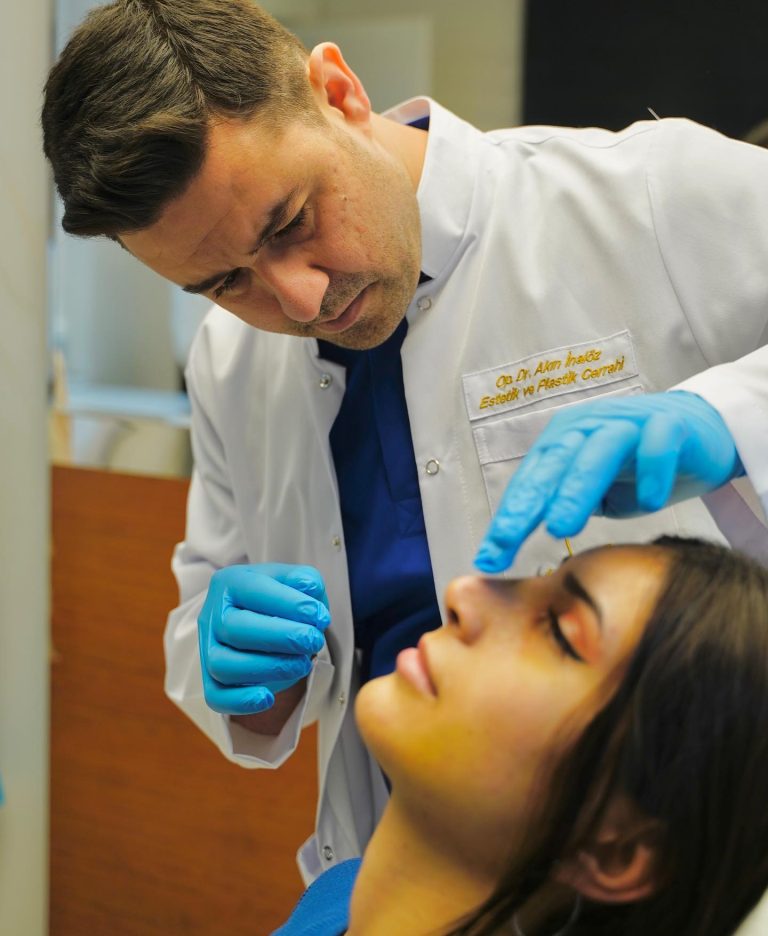
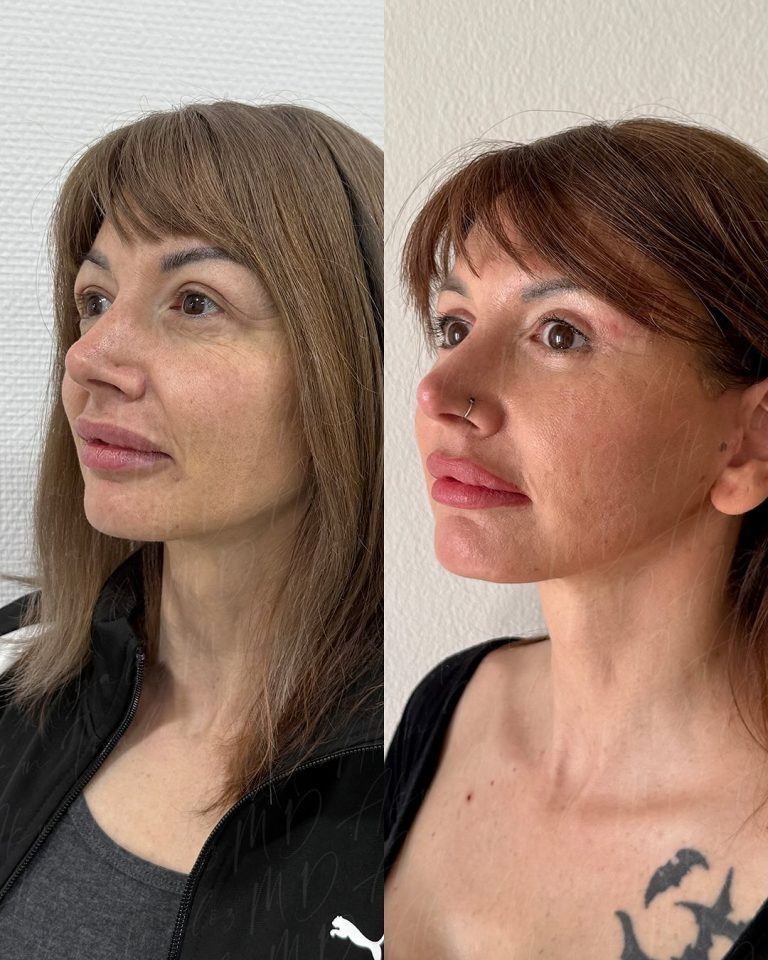
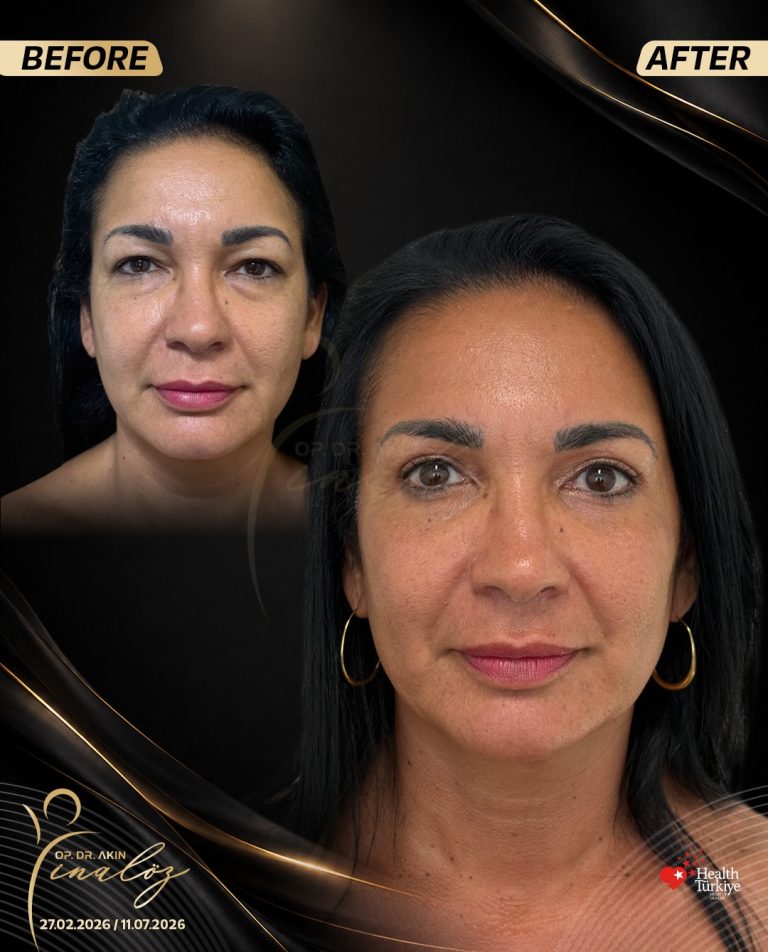
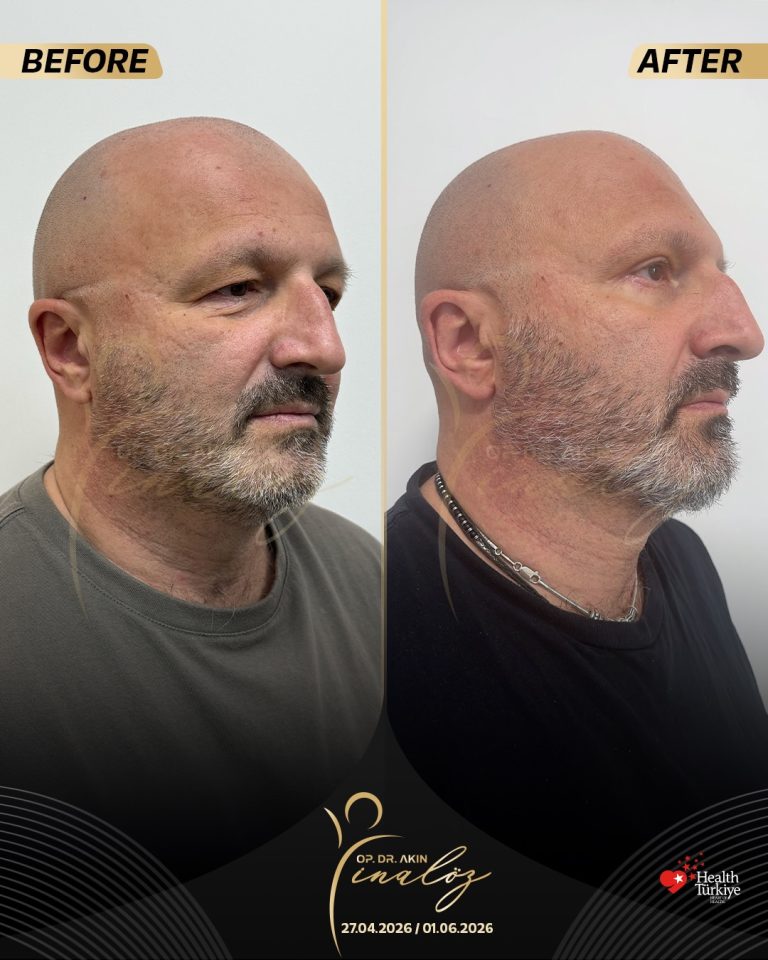
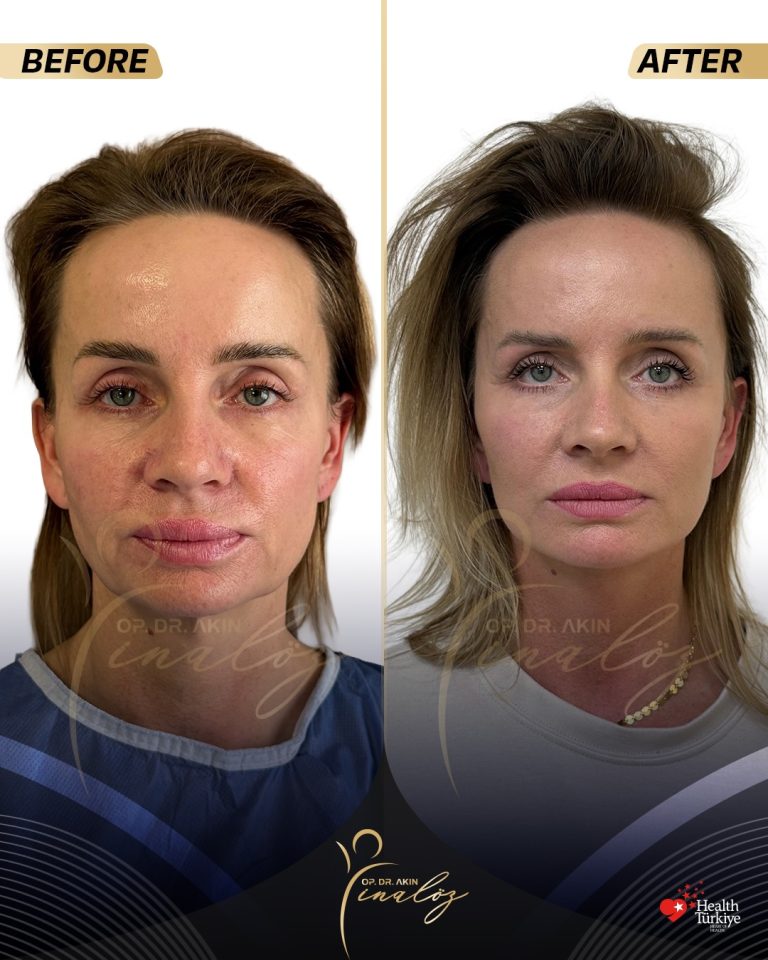
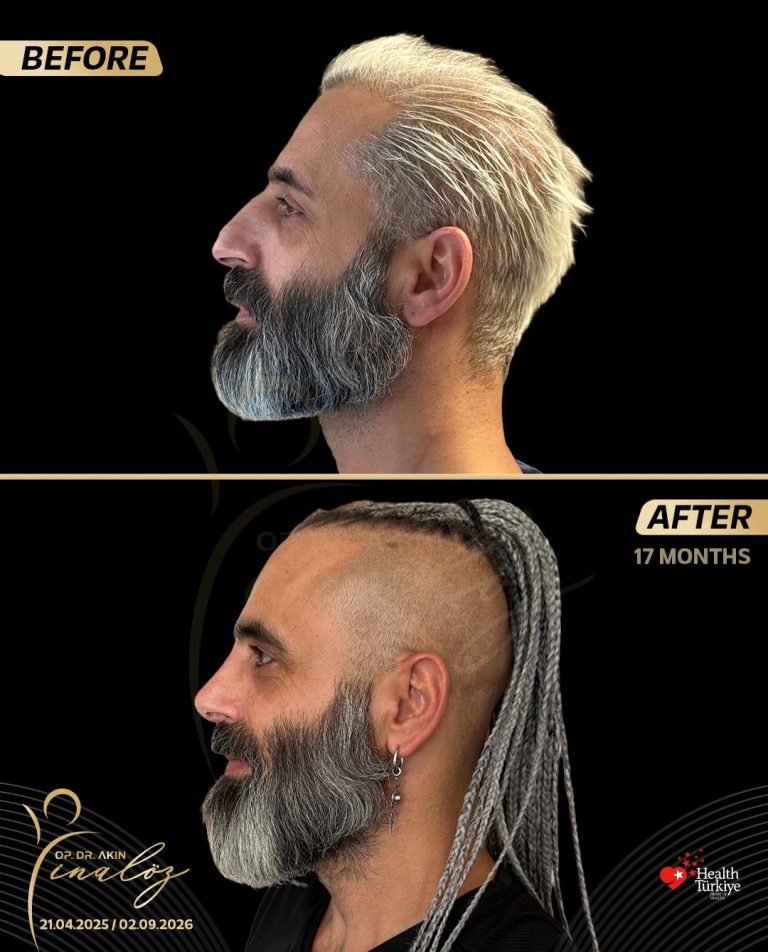
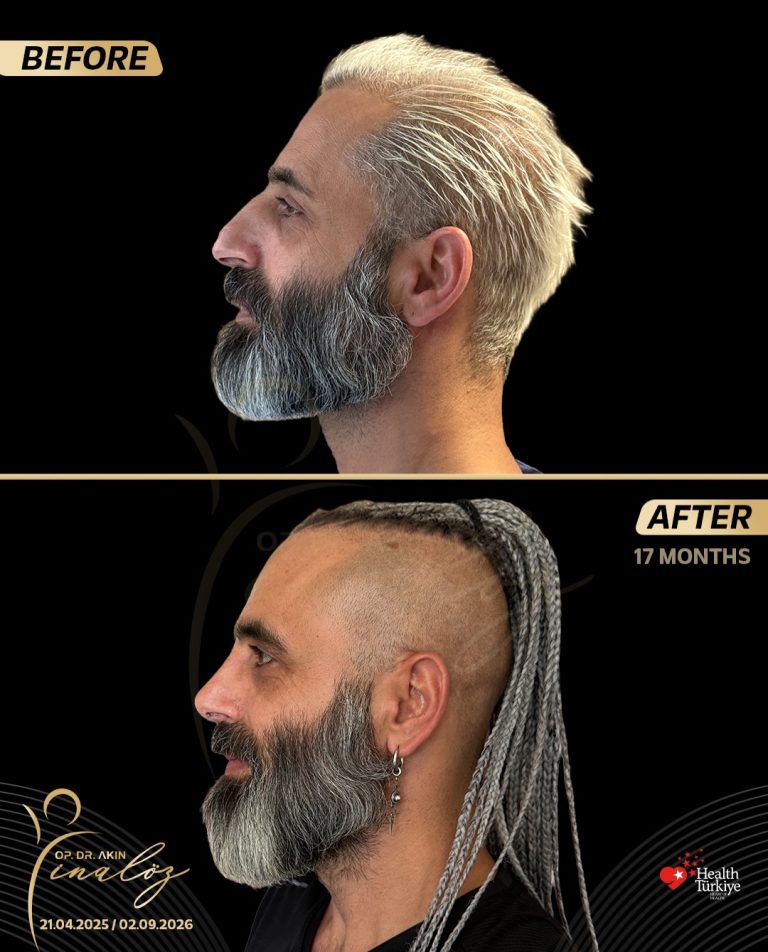
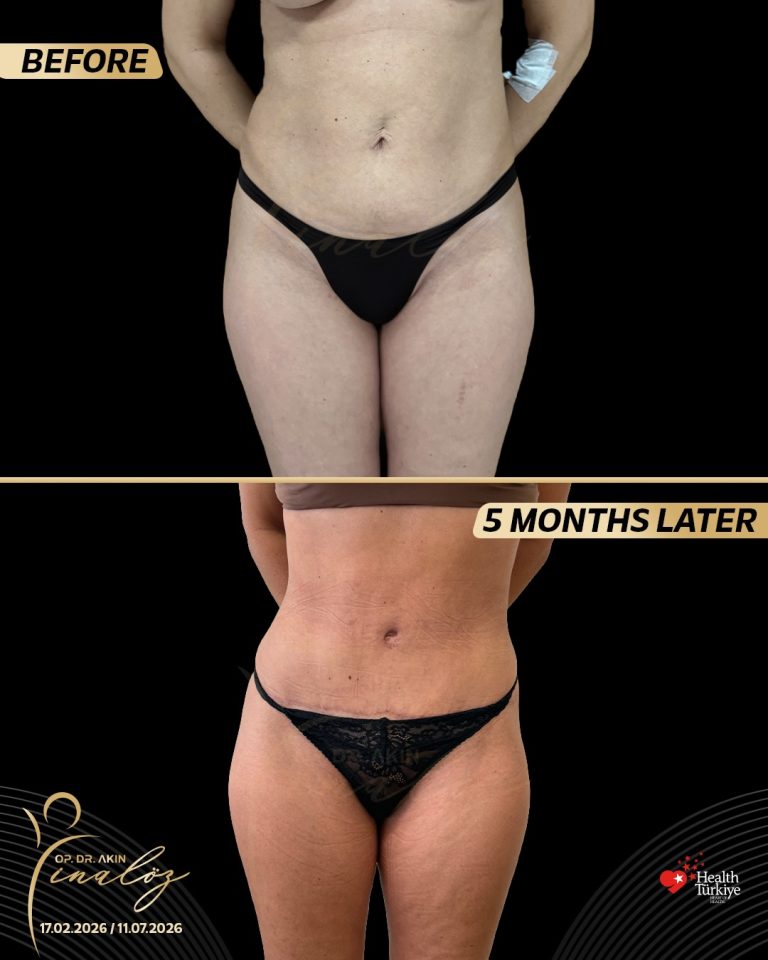
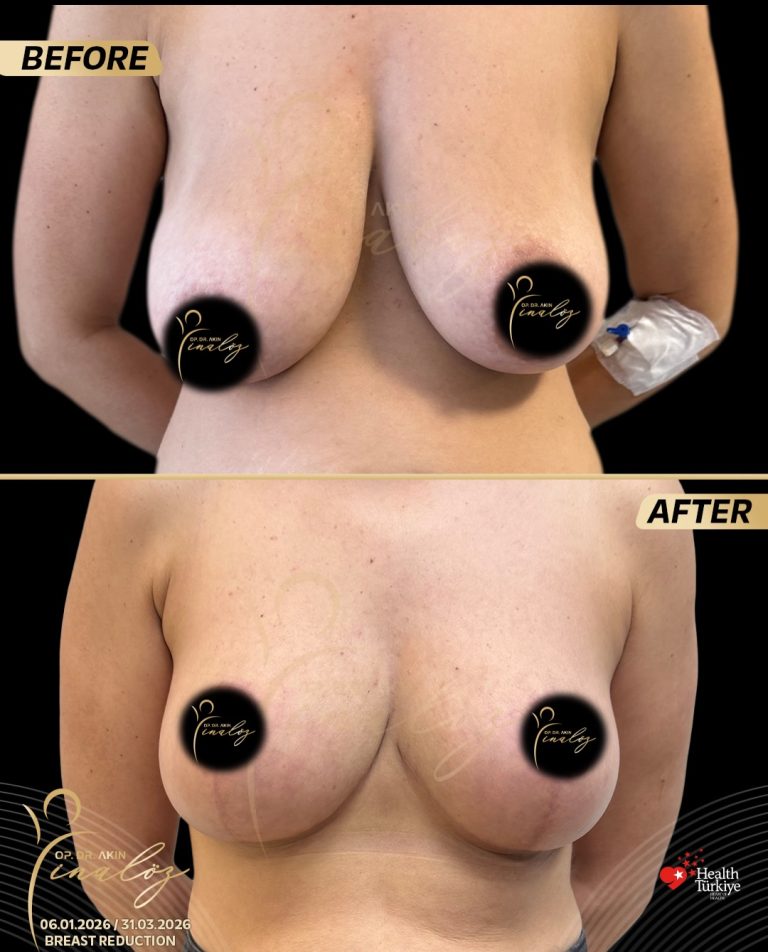
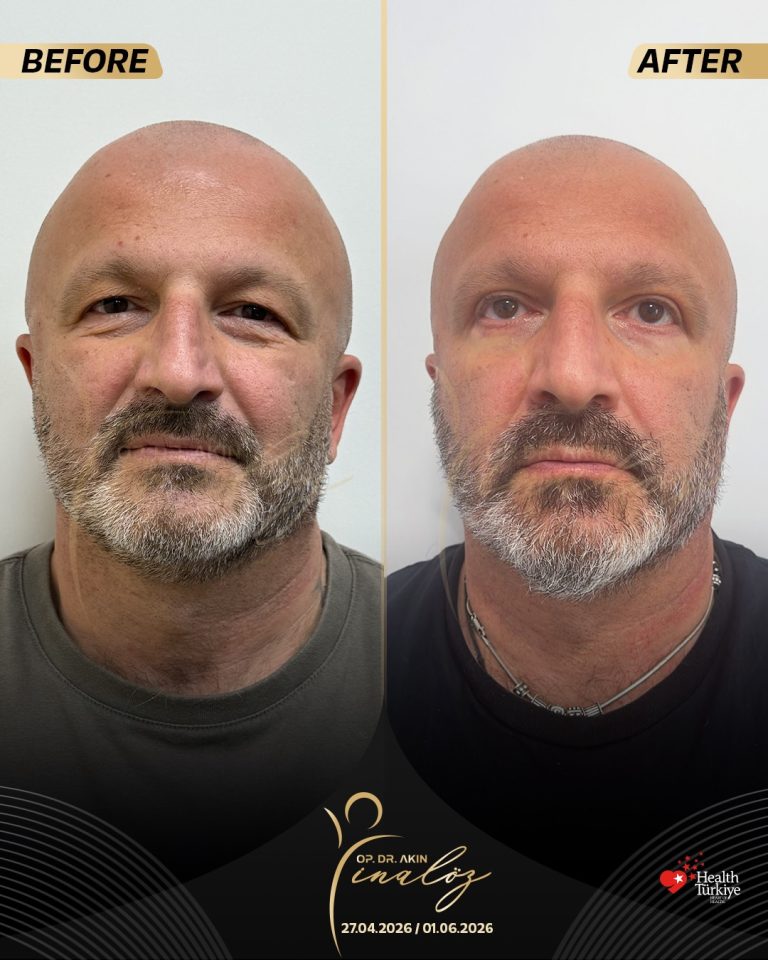
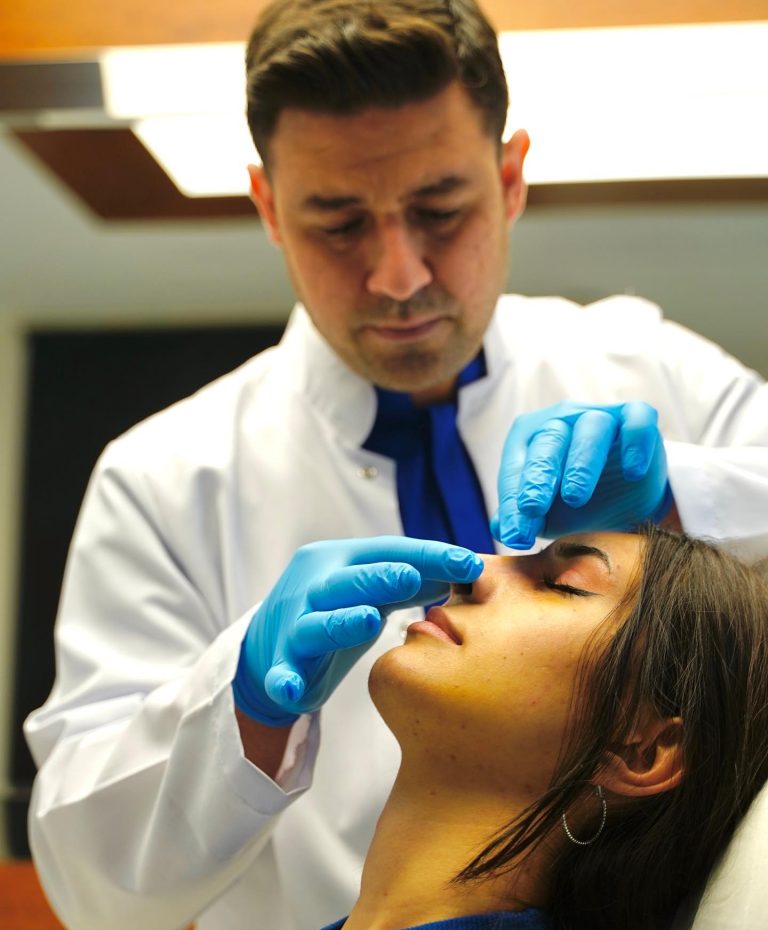
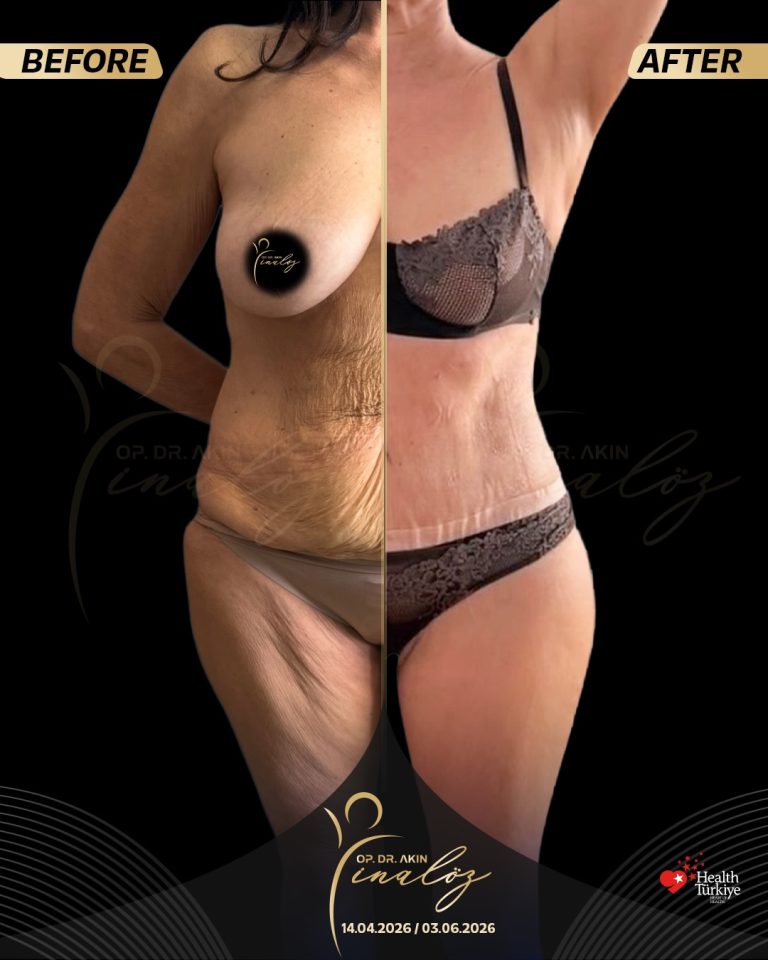
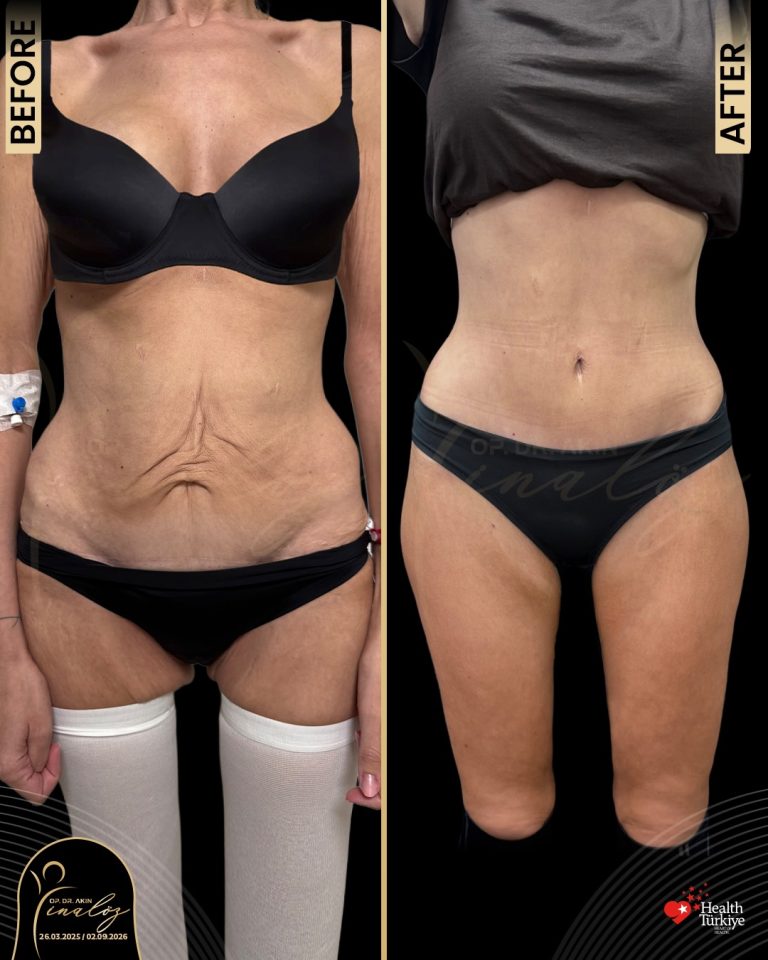
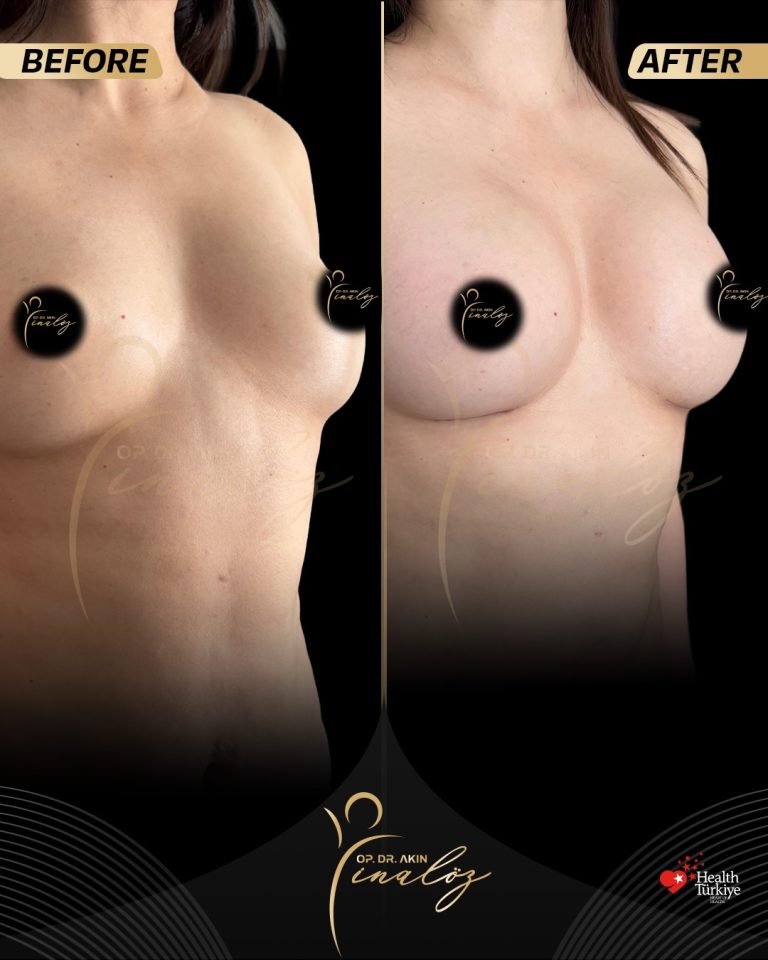
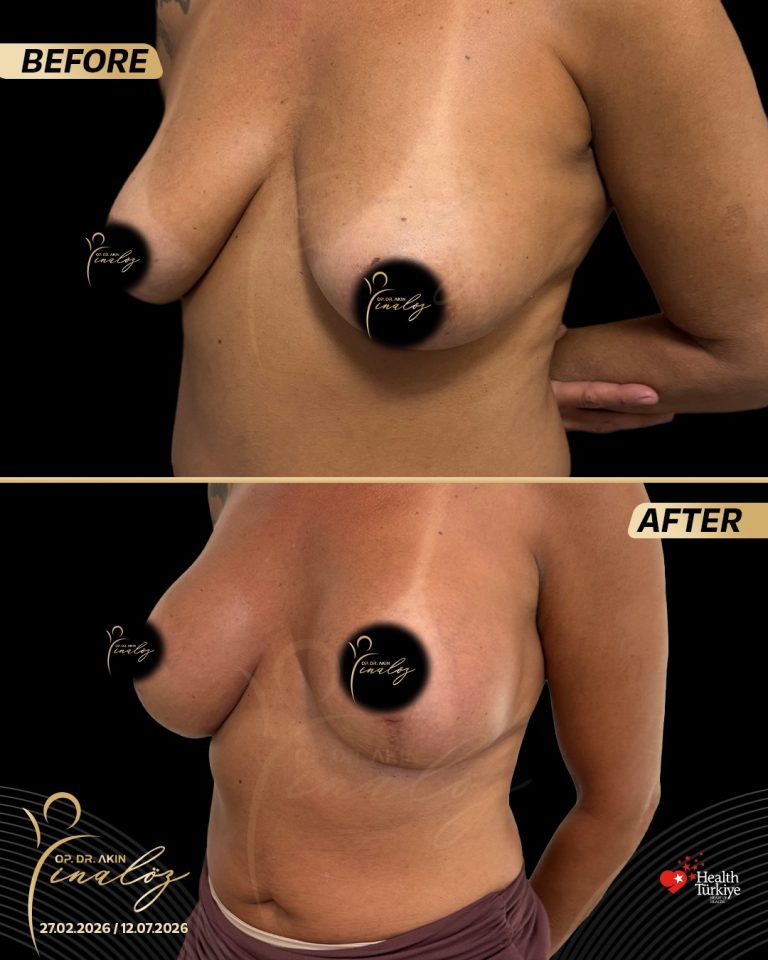
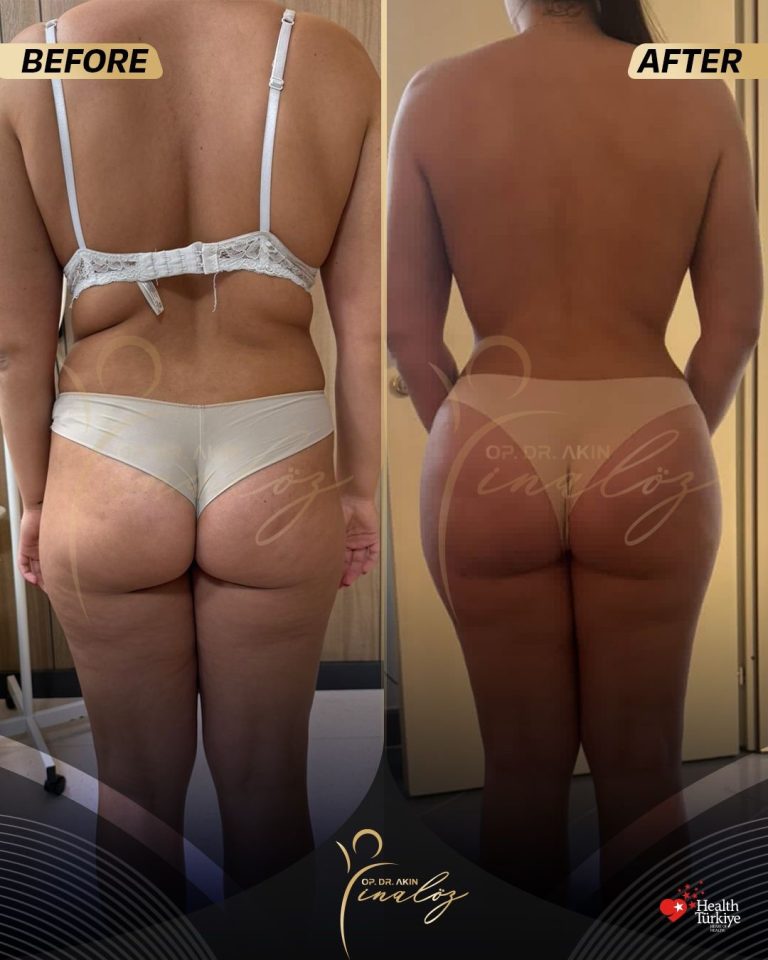
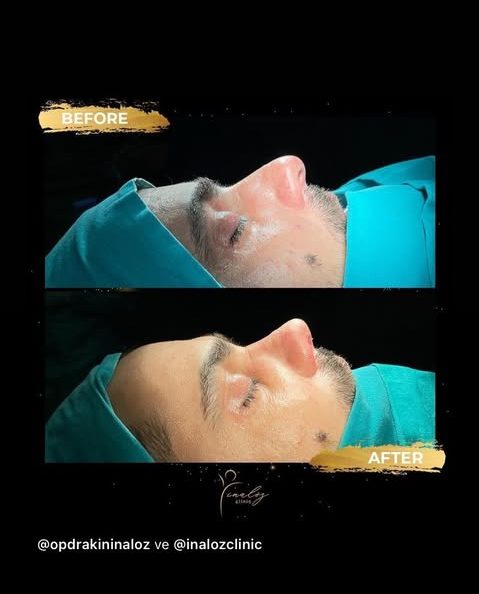
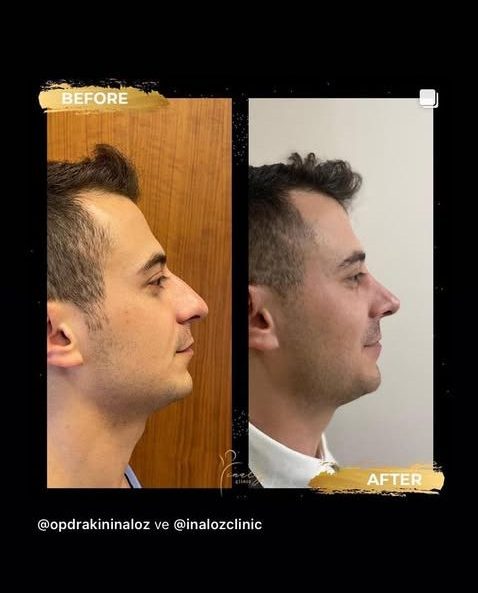
My goal is not just to perform a procedure, but to guide each patient through a safe, well-planned process toward a result that feels genuinely their own.
Results shown are of actual patients and may vary.
RELATED PROCEDURES
Considering Aesthetic Surgery?
Contact info
- Optimist Residence, Fikirtepe, NO:10/35, 34720 Kadıköy/İstanbul
- +90 535 056 01 50
- info@akininaloz.com.tr