
- Optimist Residence, Fikirtepe, NO:10/35, 34720 Kadıköy/İstanbul
- +90 535 056 01 50
- info@akininaloz.com.tr

FOLLOW-UP AFTER RETURNING HOME
Follow-up After Returning Home
Your care certainly doesn’t end the moment you land safely back in the UK. The weeks and months following your return are an exceptionally important, formative part of your overall recovery, and ongoing, dedicated support continues to be readily available throughout this entire period. This page explains in complete detail how that structured follow-up works in practice, so you know precisely what to expect and how to stay connected once you’re comfortably home.
How Remote Follow-Up Works
Once you’re home, follow-up is typically conducted remotely, through secure video calls and carefully captured photographs shared directly with your clinical team. This allows your ongoing recovery to be monitored closely without requiring any further international travel, and gives you a direct, reliable channel to ask questions or raise concerns as your healing progresses, wherever you happen to be in the UK.
The frequency and format of these scheduled check-ins will depend on your specific procedure, and will have been thoroughly outlined to you before you even left Istanbul, ensuring you know what to expect and when, rather than wondering whether you’ve been forgotten once you’re no longer physically present at the clinic.
Documenting Your Recovery
Some patients find it genuinely useful to take occasional, consistent photographs during their recovery, in similar lighting and angles each time, purely as a personal record of their progress. This is never strictly required, but it can be profoundly reassuring during the slower, less eventful stages of healing, since day-to-day changes are often far too gradual to notice yourself, while a direct comparison over several weeks can show clear, steady progress that reassures you things are moving in the right direction.
If you choose to do this, these photographs can also be extremely useful to share with your clinical team during your remote follow-up check-ins, giving them a much clearer picture of how your healing is progressing between scheduled appointments.
How Follow-Up Fits Into Your Overall Care
It’s worth understanding clearly that follow-up isn’t some separate, optional add-on to your treatment — it is considered an integral, essential part of the overall care you receive, in exactly the same way your initial consultation and procedure were. The full value of a well-planned, responsible treatment includes making sure your recovery is properly supported right through to its ultimate conclusion, rather than simply cutting off contact the moment you’ve left Istanbul.
Coordinating With Your GP if Needed
In some specific cases, minor aftercare tasks — such as routine suture removal or a local wound check — may need to be carried out locally in the UK, particularly if the ideal timing falls after you’ve already returned home. Where this applies to your procedure, you’ll be given clear, comprehensive guidance on what is needed, along with detailed information you can share directly with your GP or a local practice nurse if local support is required, ensuring there is zero confusion about what’s being asked of them.
This coordination is intended to make your aftercare as convenient as possible, without compromising on the quality or continuity of your care, and without ever leaving you to explain your entire medical history from scratch to someone entirely unfamiliar with your specific case.
Recognizing Your Final Results
It’s vital to set realistic expectations regarding timing: the true results of surgery are rarely visible in their final form immediately. Swelling, internal healing, and tissue settling all take considerable time, and the exact timeline for seeing your final outcome will vary depending on your specific procedure. This is entirely normal, and your clinical team will give you a realistic, honest sense of what to expect and when during your follow-up appointments, rather than leaving you to guess blindly.
Patience during this stage truly matters. It’s common to feel a sense of uncertainty in the early weeks before healing has fully progressed — this is a normal part of the biological process, not a sign that something has gone wrong, and it’s something your clinical team can reassure you about directly if you’re ever feeling unsure.
What Happens If You Have Concerns Later
Occasionally, questions or concerns arise weeks or even months after treatment, once the initial recovery period feels like it’s well and truly behind you. This is entirely normal, and you should never feel that too much time has passed to reach out to the clinic. Whether it’s a minor question about how your results are settling or something that simply doesn’t feel quite right, your clinical team remains an accessible point of contact for as long as it’s relevant to your ongoing care.
When to Reach Out Proactively
You are never expected to wait passively for a scheduled check-in if something important is on your mind. If a question occurs to you between appointments, or if you simply want reassurance about something you’re noticing during your day-to-day recovery, reaching out proactively is always warmly welcomed rather than seen as jumping ahead of schedule. Scheduled follow-up appointments represent a minimum standard of contact, not the only opportunity you have to be heard and supported.
This is particularly worth remembering during the first few weeks after your return, when it’s common to have questions that only occur to you once you’re back in your normal home environment and comparing how you feel day to day against how you felt before you travelled.
If You’re Unsure Whether Something Is Normal
It’s genuinely difficult, without specialized clinical training, to judge accurately for yourself whether a particular sensation, appearance, or change during recovery is expected or worth flagging. Rather than searching anxiously for answers online, which can frequently lead to unnecessary alarm based on generalized information that doesn’t apply to your specific situation, reaching out directly to your clinical team with a clear description or photograph is almost always the more reliable, calming, and reassuring route.
There is truly no such thing as an unnecessary check-in during this period. Even if the answer turns out to be that everything is progressing exactly as expected, asking the question was still the right thing to do for your peace of mind.
If You’re Considering Further Treatment
Some patients, once they’ve fully recovered from their first procedure and seen how well things have settled, begin to consider further treatment — either building naturally on their original results or addressing something completely new. If this applies to you, your existing, established relationship with your clinical team makes this a considerably simpler and more comfortable process the second time around, since your medical history and previous treatment are already thoroughly understood.
There is absolutely no expectation or pressure to consider further treatment, and plenty of patients are entirely satisfied with a single procedure. But for those who are naturally curious about further options down the line, the door remains open, and a new consultation can be arranged whenever you feel ready.
A Note on Patience and Perspective
Recovery, both physical and emotional, rarely moves in a straight, predictable line. Some days will feel like clear, positive progress, while others may feel static or even slightly discouraging, particularly during the weeks when swelling is still slowly settling and results aren’t yet fully visible. This is a completely normal part of the human healing process, and it does not reflect how your final outcome will ultimately look.
Try your best to resist the temptation to compare your recovery too closely to other people’s experiences you may have read about online, since healing genuinely varies significantly from person to person, and what’s normal for your body may not match someone else’s timeline. If anything feels genuinely concerning, rather than simply slower than hoped, that’s exactly the kind of thing worth raising with your clinical team directly, rather than trying to interpret it alone.
If You Recommend Us to Others
Some patients, once fully satisfied with their final outcome and overall experience, choose to share their personal journey with friends, family, or online communities researching similar treatment options. There is no expectation that you do this, but if you do, being honest about both the parts that felt easy and any parts that felt challenging gives future patients the same realistic, transparent picture this page has aimed to give you.
Ongoing Support
Beyond the standard structured follow-up schedule, your clinical team remains a dependable point of contact should any questions or concerns arise later in your recovery journey. Whether it’s a question about your long-term results, a query about when you can safely resume a particular strenuous activity, or simply needing reassurance that what you’re experiencing is completely normal, support doesn’t just disappear once the initial follow-up period has passed.
The Value of a Well-Structured Follow-Up Process
Not every clinic treating international patients places the same high level of emphasis on structured, ongoing follow-up once a patient has returned home to the UK. It’s worth understanding this dedication as one of the most meaningful ways to evaluate the overall quality of care you’re receiving — a clear, proactive follow-up process reflects a genuine, long-term commitment to your health and outcome, rather than treatment ending abruptly the moment you leave Istanbul.
Reflecting on the Full Journey
By the time you reach this final stage, you’ll have moved successfully through consultation, international travel, treatment, recovery, and now ongoing follow-up — a comprehensive process that, while significant, is purposefully designed to feel fully supported and clearly explained at every single point along the way. Many patients look back on the experience as far more manageable and reassuring than they expected when they first began researching treatment abroad, largely because each stage was explained clearly before they ever reached it.
Closing Thoughts
Travelling abroad for treatment can feel like a major undertaking, but with a clear process, consistent communication, and comprehensive ongoing support before, during, and after your trip, it doesn’t need to feel uncertain or overwhelming. If you have questions about any part of this journey that haven’t been fully answered across these pages, our FAQ section covers many of the practical questions UK patients ask most often — or you are always welcome to get in touch with our team directly at any stage of your planning.

Op. Dr. Akın İnalöz
Plastic & aesthetic surgeon, Kadıköy, Istanbul
Quick Enquiry



Travelling from the UK for surgery?
See how the consultation, treatment and recovery process works, start to finish.
Op. Dr. Akın İnalöz
Natural Aesthetic Evolutions
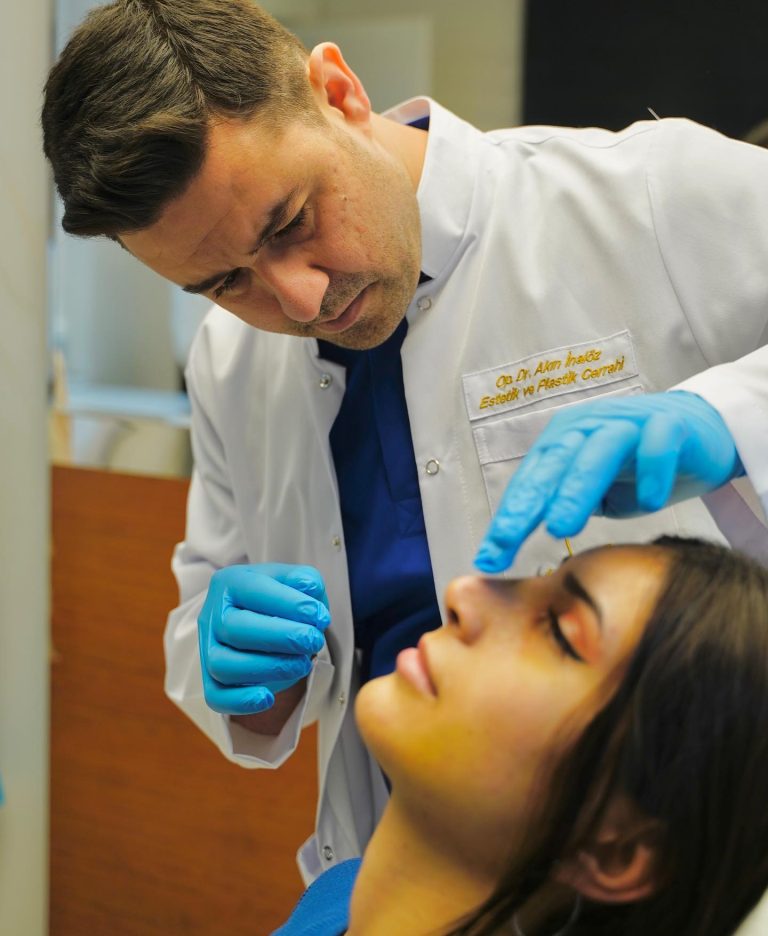
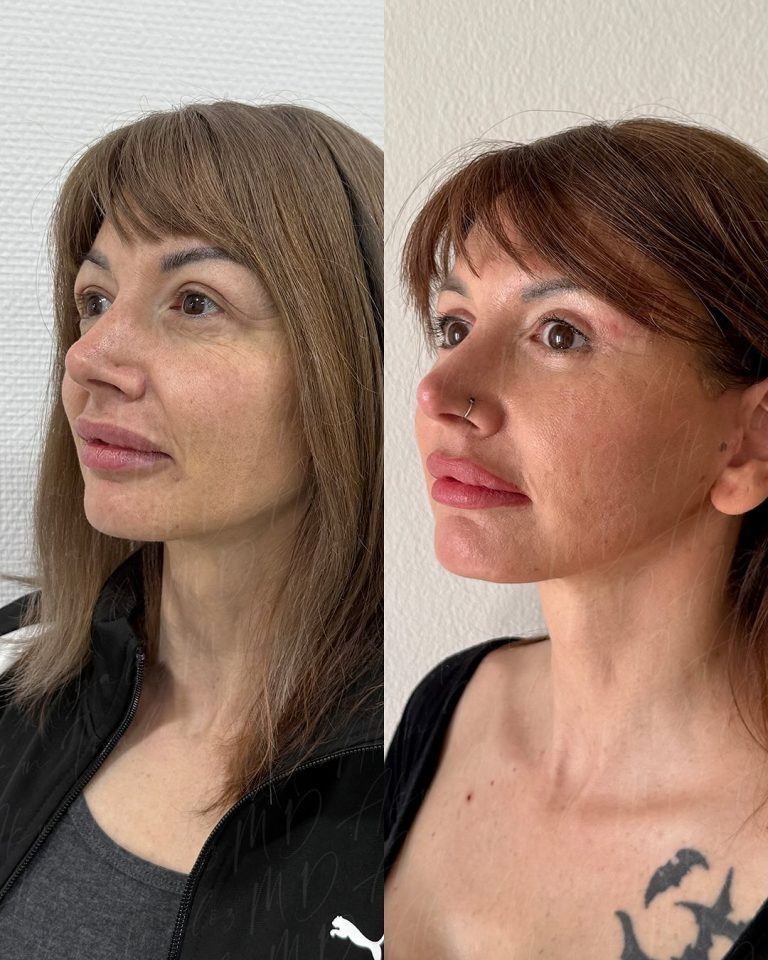
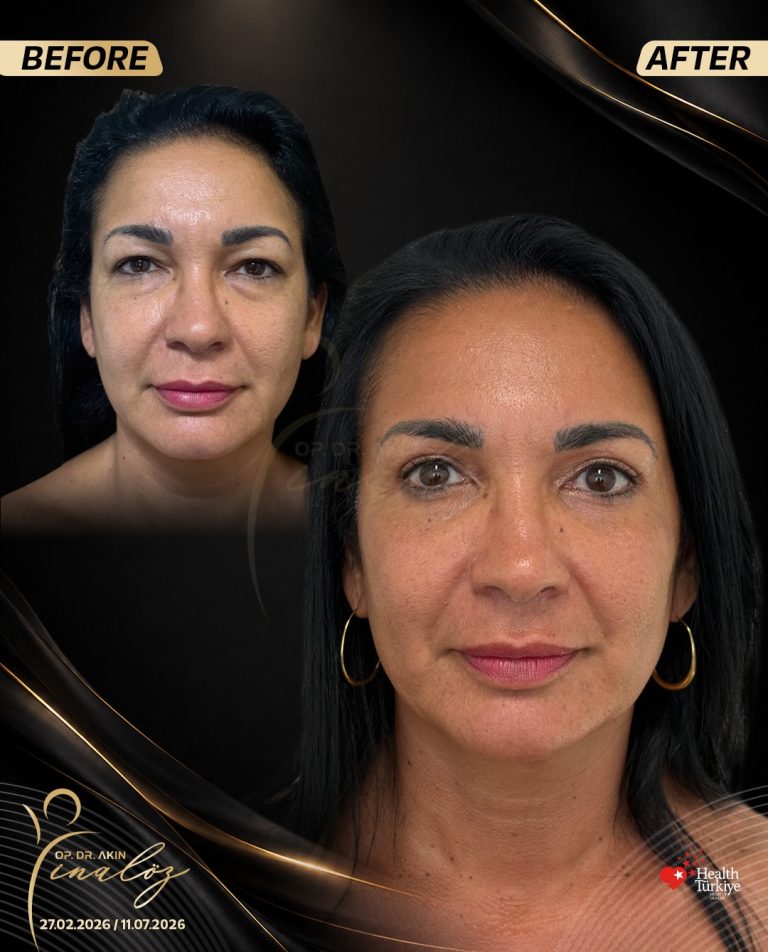
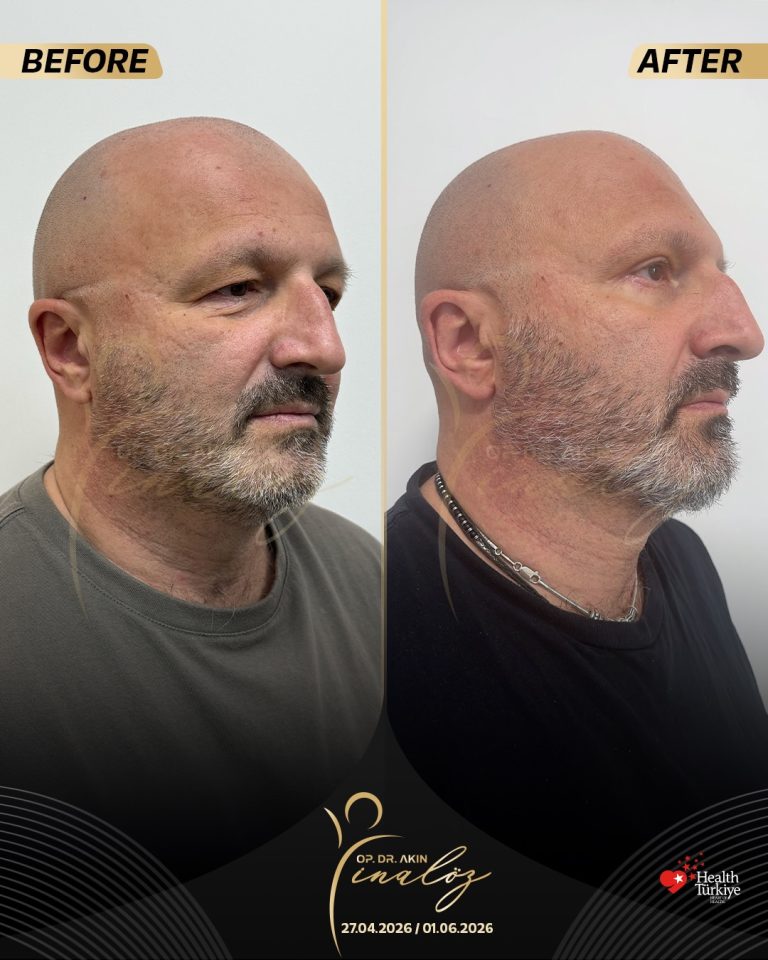
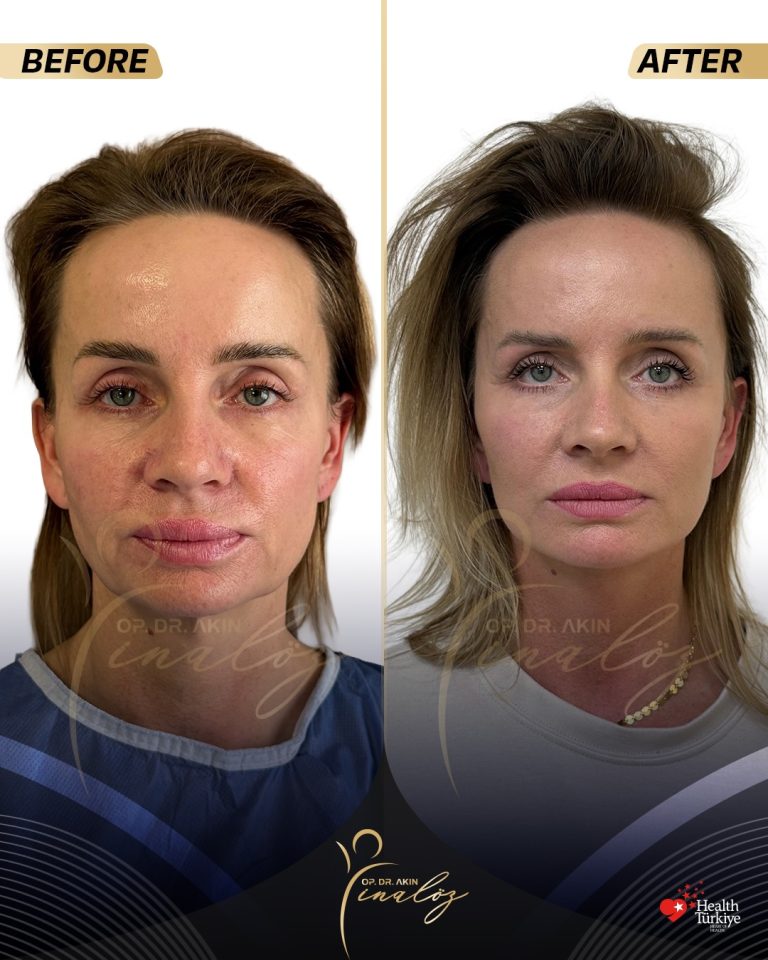
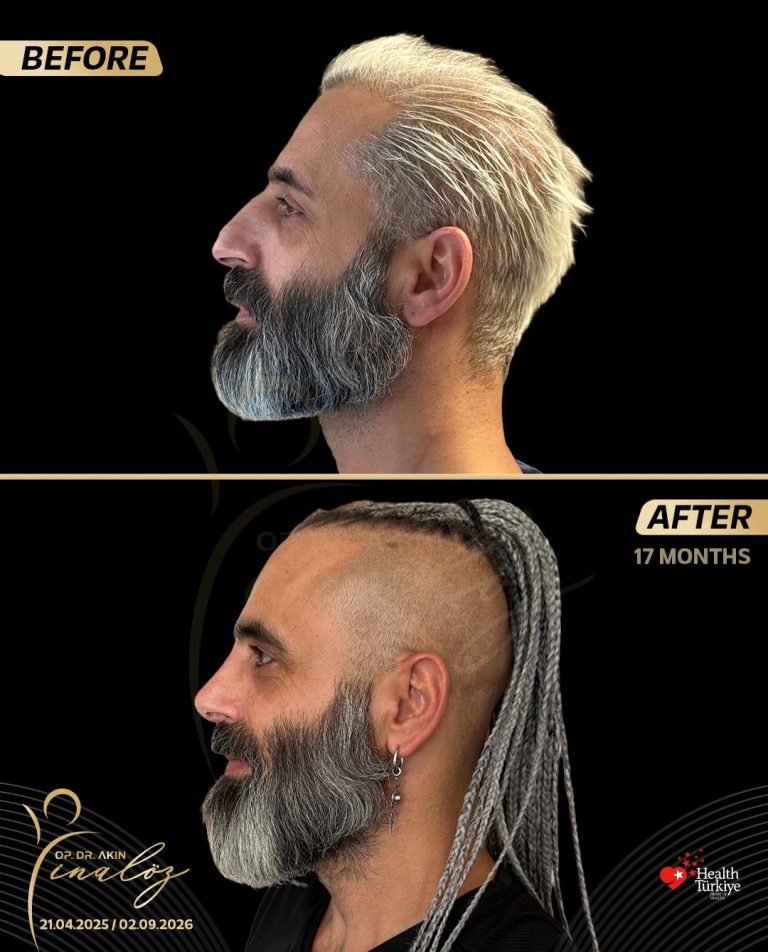
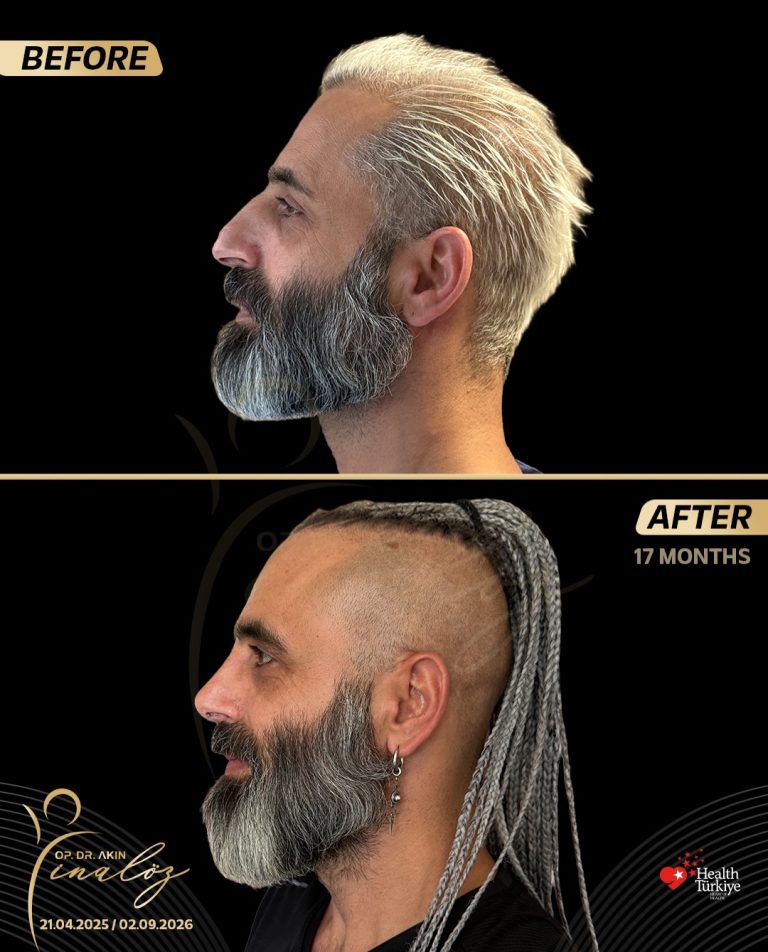
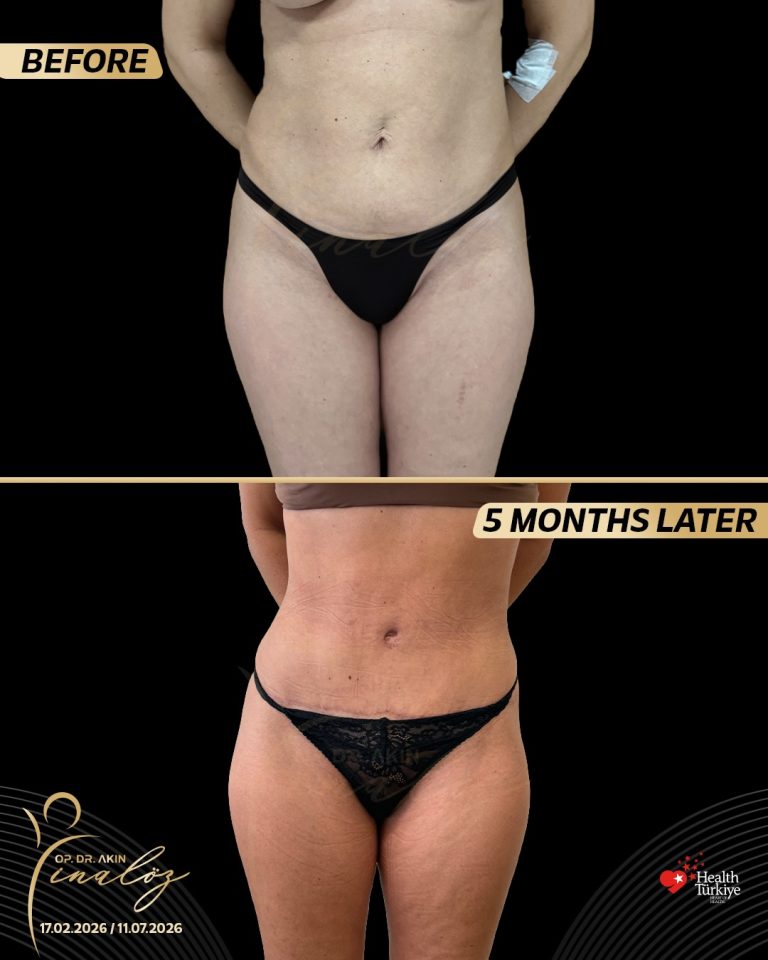
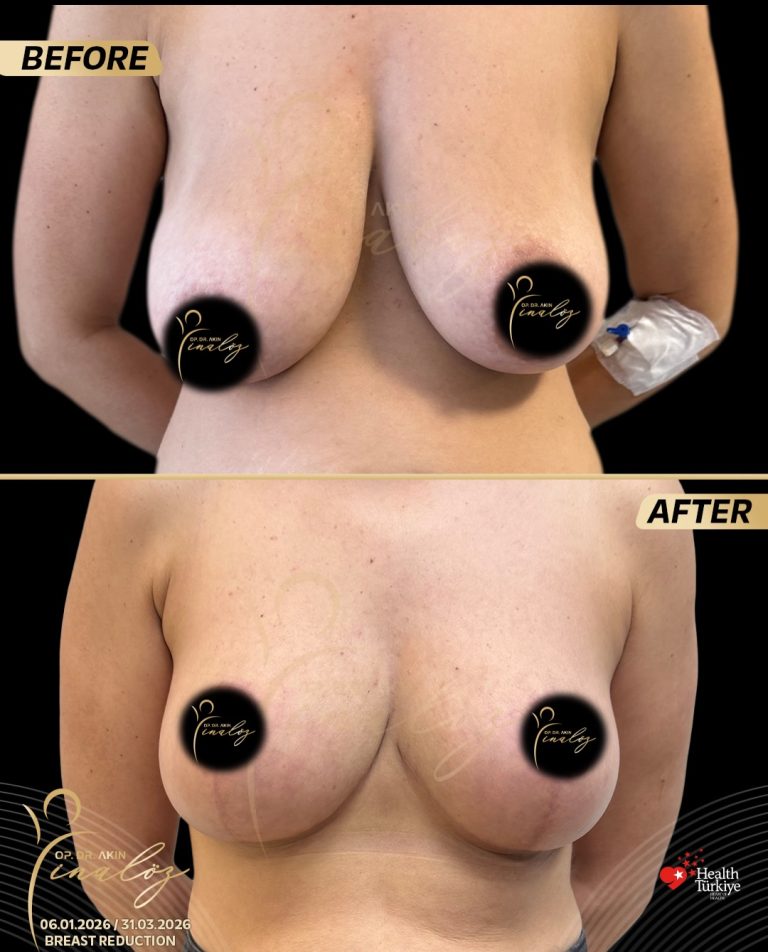
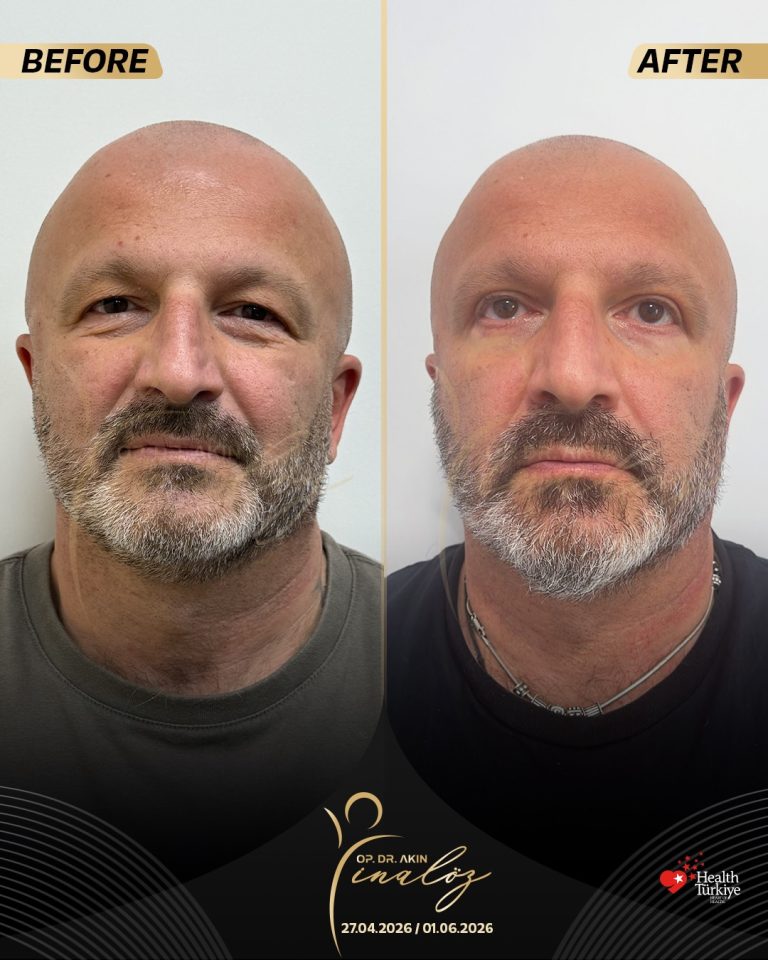
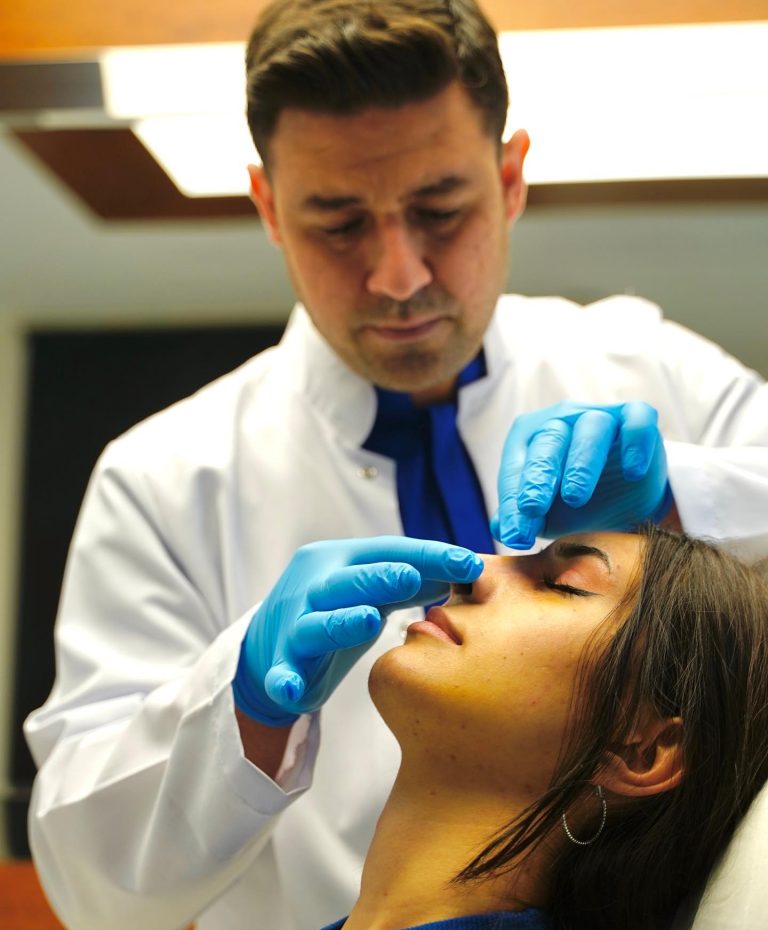
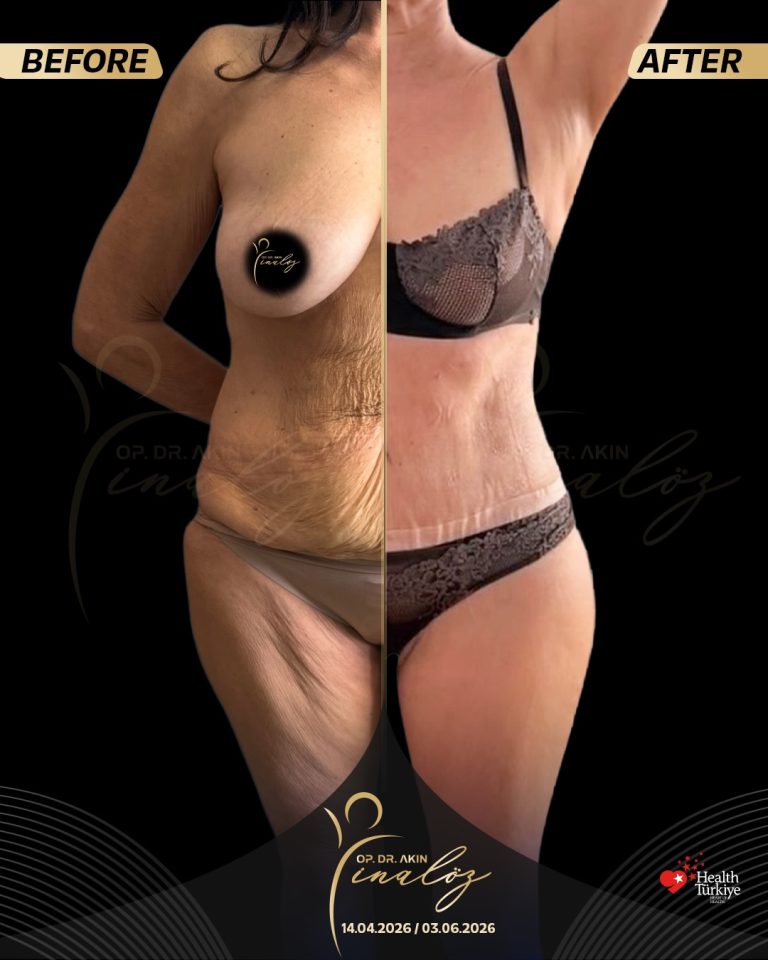
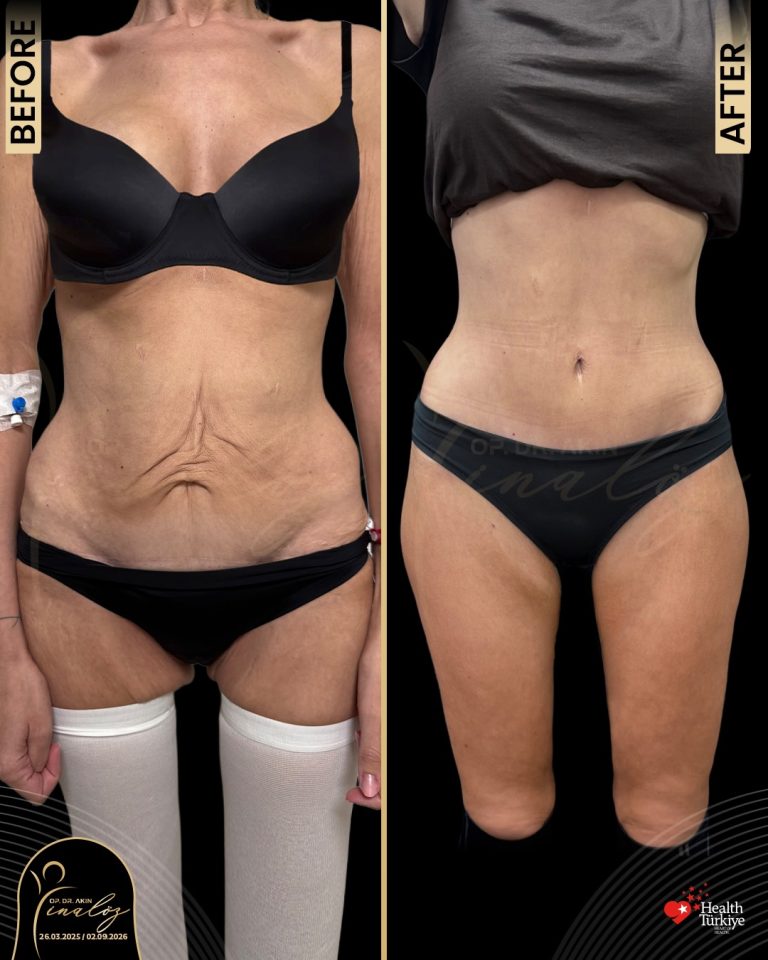
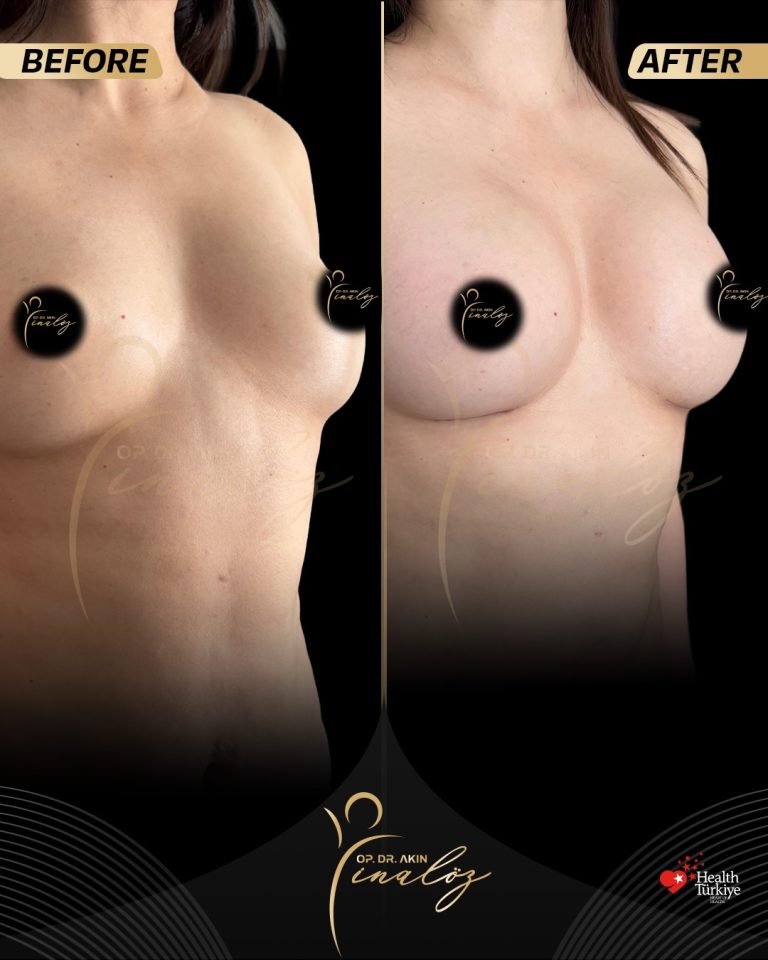
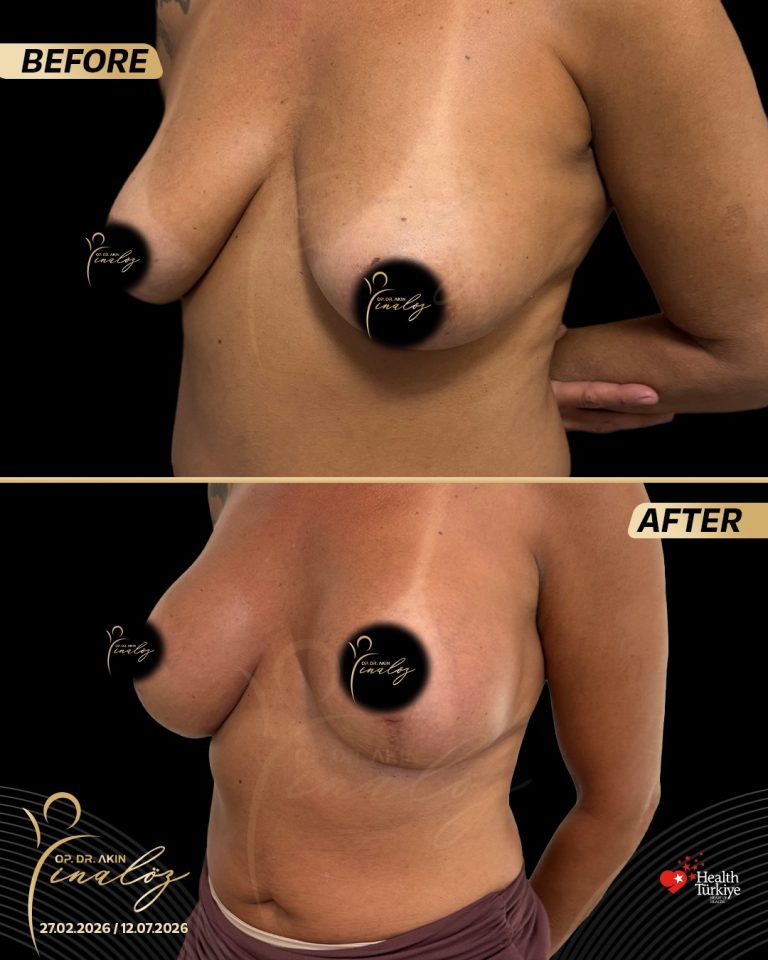

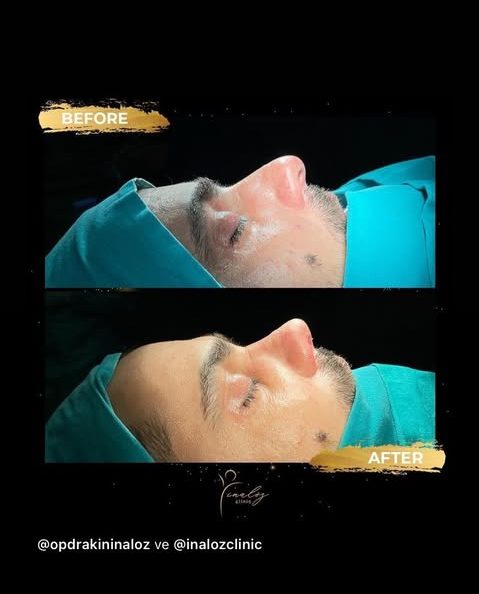
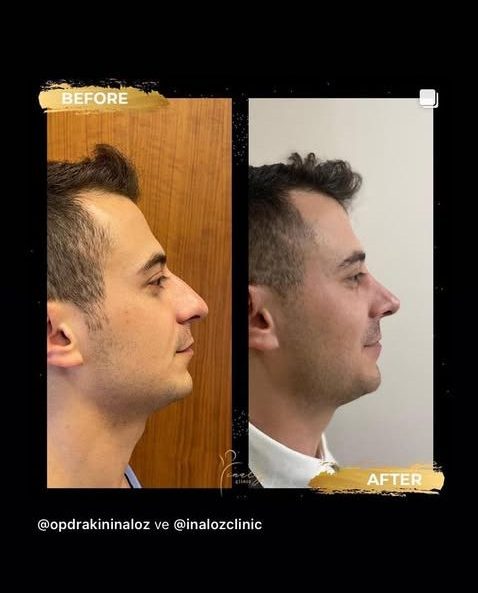
My goal is not just to perform a procedure, but to guide each patient through a safe, well-planned process toward a result that feels genuinely their own.
Results shown are of actual patients and may vary.
RELATED PROCEDURES
Considering Aesthetic Surgery?
Contact info
- Optimist Residence, Fikirtepe, NO:10/35, 34720 Kadıköy/İstanbul
- +90 535 056 01 50
- info@akininaloz.com.tr