- Optimist Residence, Fikirtepe, NO:10/35, 34720 Kadıköy/İstanbul
- +90 535 056 01 50
- info@akininaloz.com.tr

MINI FACELIFT
Comprehensive Guide to Mini Facelift Surgery in Istanbul, Turkey
Mini facelift surgery, clinically designated as a short-scar or limited-incision rhytidectomy, represents a refined, targeted surgical intervention designed to correct early to moderate lower facial aging, jowling, and soft-tissue laxity. While a traditional full facelift addresses comprehensive aging across the entire lower face and neck, the mini facelift focuses primarily on the midface, jawline contour, and sub-mandibular transition using abbreviated incision pathways. As intrinsic chronological aging progresses, gravitational forces and the gradual degradation of dermal collagen and elastin lead to localized soft-tissue descent along the lower border of the mandible. Performed within fully accredited, state-of-the-art surgical facilities in Istanbul, modern mini facelift protocols prioritize deep-plane fascial suspension, vector-controlled tissue elevation, and predictable, natural-looking aesthetic outcomes with minimized downtime. International patients traveling from the United Kingdom and across Europe benefit from comprehensive surgical planning, advanced anatomical mapping diagnostics, and structured post-operative care pathways engineered to ensure maximum clinical safety, efficacy, and long-term aesthetic stability.
Modern facial aesthetic surgery has evolved significantly over recent decades, shifting definitively away from superficial, tension-heavy skin tightening toward precise, anatomical restorations. Every facial morphology exhibits unique biomechanical parameters, including skeletal projection, skin thickness, fat compartment distribution density, and superficial musculo-aponeurotic system resilience. Achieving balanced, enduring results requires rigorous pre-operative planning, advanced surface mapping diagnostics, and an exhaustive understanding of deep facial anatomy under varying postural and dynamic loads. Istanbul has emerged as a premier global hub for these complex procedures, combining world-class surgical expertise with meticulous patient coordination frameworks tailored specifically to international clientele seeking discreet, high-end medical journeys.
Anatomical Foundations and Patient Selection Criteria
The anatomical distinction of the mini facelift relies upon a precise evaluation of the lower facial third, where structural aging often manifests initially as mild jowling and laxity before extending into deep cervical folds.
Localized Jowling and Midface Descent: Patients appropriate for a mini facelift typically exhibit good skin elasticity in the neck, with early soft-tissue drooping confined primarily to the pre-jowl sulcus, mandibular border, and nasolabial transitions.
Limited SMAS Mobilization: While a traditional rhytidectomy requires extensive cervical and temporal dissection, the mini variation utilizes a targeted approach to elevate and secure the superficial musculo-aponeurotic system (SMAS) locally, effectively repositioning descended fat pads back to their youthful vector.
Preservation of Vascular and Neural Pathways: Because the scope of surgical dissection is restricted to the pre-auricular and upper cervical planes, major sensory nerves and superficial vascular networks experience significantly reduced trauma, facilitating a more rapid physiological recovery phase.
Surgical Modalities and Technical Execution Protocols
The execution of a mini facelift requires a highly methodical, targeted surgical strategy tailored to the precise degree of structural laxity.
1. Abbreviated Incision Placement and Hidden Margins
The procedure utilizes a shorter incision pathway compared to standard rhytidectomy, typically beginning within the temporal hairline, extending discreetly along the natural contour of the pre-auricular crease, and terminating just behind the earlobe. This specialized design avoids extensive post-auricular and occipital extensions while providing optimal access to the deep fascial layers.
2. Short-Flap Elevation and Deep-Plane Suspension
Surgeons carefully elevate a limited skin flap to expose the underlying SMAS layer. Through internal plication or limited vector-controlled suspension sutures, the deep fascial matrix is vertically tightened, ensuring that mechanical tension is borne entirely by the structural layer rather than the delicate dermal envelope.
3. Excess Tissue Excision and Secure Layered Closure
Following the precise repositioning of the deep muscular scaffolding, the minor excess of skin is conservatively trimmed, and the incision is meticulously closed in anatomical layers using tension-free fine sutures to optimize scar maturation.
The Comprehensive Clinical Pathway for International Patients
Undergoing advanced facial surgical procedures abroad requires a structured, multi-phase framework ensuring clinical continuity from initial virtual consultation to final post-operative clearance and long-term monitoring.
Remote Diagnostics and Initial Assessment: Initial evaluations involve comprehensive digital photographic analysis from multi-angle facial perspectives, detailed medical history reviews, vascular stability checks, and virtual consultations to establish preliminary surgical mapping and realistic aesthetic expectations.
Pre-Operative Evaluation in Istanbul: Upon arrival at the accredited facility in Istanbul, thorough physical examinations, comprehensive blood panels, and cardiovascular clearances are conducted by the multidisciplinary medical team to confirm optimal physiological fitness.
Surgical Execution and Anesthesia Protocols: Interventions are performed under conscious sedation or general anesthesia administered by qualified, board-certified anesthesiologists within sterile operating theaters equipped with advanced life-support and monitoring technology.
Immediate Post-Operative Monitoring: Patients are transferred to specialized recovery units for continuous vital sign tracking, facial fluid management, pain protocol optimization, and early mobilization under direct medical supervision.
Recovery and Follow-Up Protocols: Post-surgical check-ups verify proper wound healing, assess suture management and edema reduction, and clear the patient for safe return travel to the United Kingdom, supplemented by remote telemedical monitoring channels.

Op. Dr. Akın İnalöz
Plastic & aesthetic surgeon, Kadıköy, Istanbul
Quick Enquiry
Things You Might Be Wondering
Frequently Asked Questions
Most mini facelift patients require approximately 7 to 10 days of local rest in Istanbul before undertaking international air travel or resuming social activities. Substantial resolution of post-operative ecchymosis and edema generally occurs within 2 weeks, while the final refined facial contours mature fully over 6 to 8 weeks.
A mini facelift utilizes a shorter incision pathway and focuses primarily on early to moderate jowling and lower facial laxity with limited deep tissue mobilization. A traditional full facelift addresses comprehensive aging across the entire lower face and neck, including extensive cervical and platysmal muscle restoration.
Yes. Mini facelifts are frequently combined with upper or lower blepharoplasty (eyelid surgery), submental liposuction, or structural fat grafting to achieve comprehensive, harmonious facial rejuvenation during a single operative session.
Incisions are strategically placed within natural skin creases, tragal contours, and hairline borders where they blend seamlessly with natural shadows. Meticulous tension-free closure techniques and comprehensive scar management protocols are utilized during the healing phase.
A mini facelift permanently reverses existing signs of lower facial aging by resetting the local tissue baseline. While natural chronological aging continues, patients permanently retain a more youthful contour compared to unoperated aging trajectories.
Travelling from the UK for Face surgery?
See how the consultation, treatment and recovery process works, start to finish.
Op. Dr. Akın İnalöz
Natural Aesthetic Evolutions
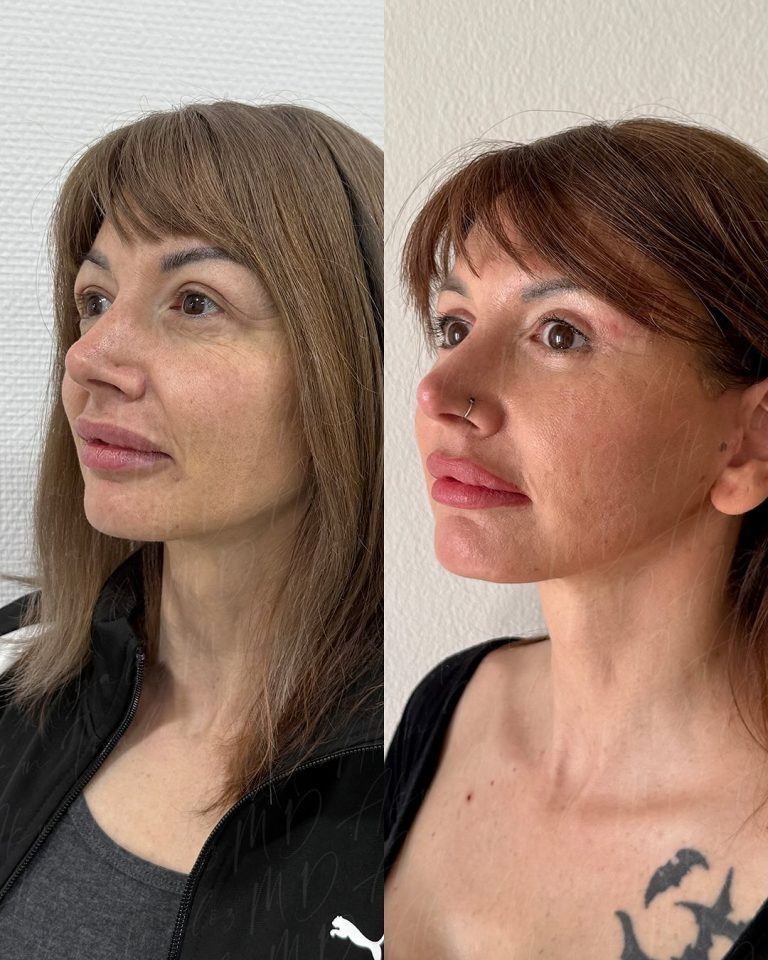
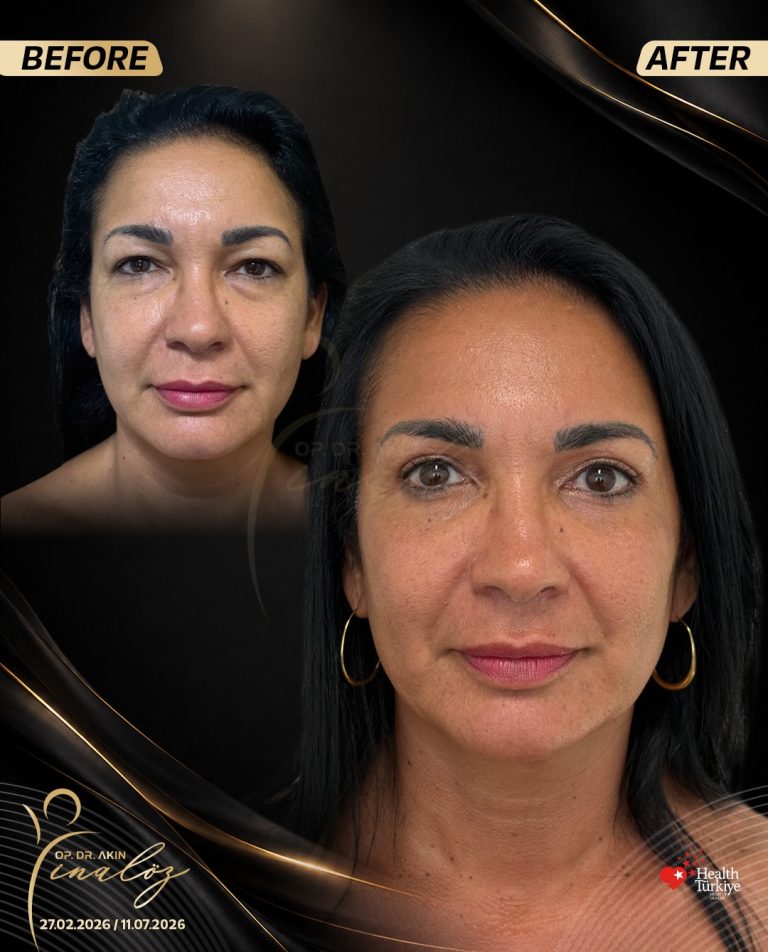
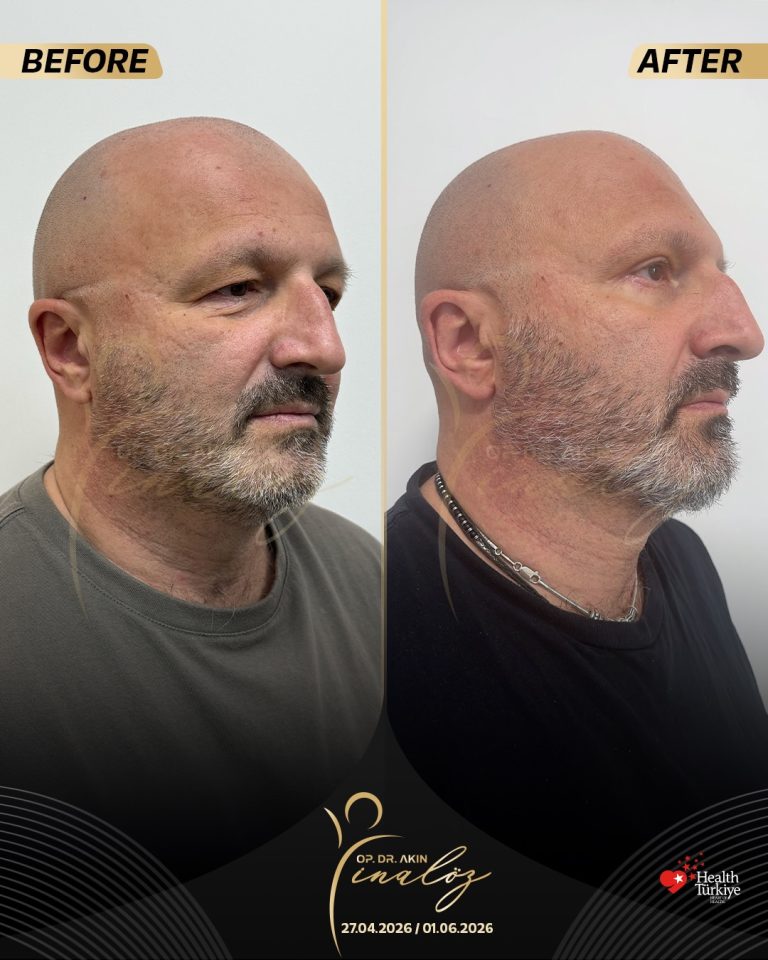
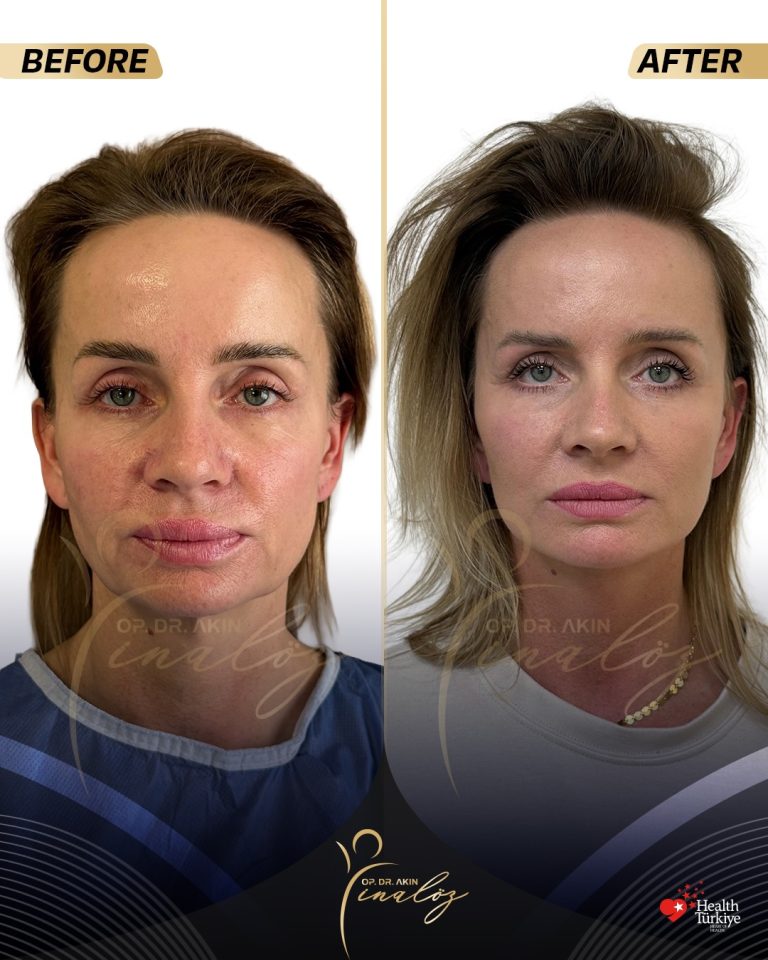
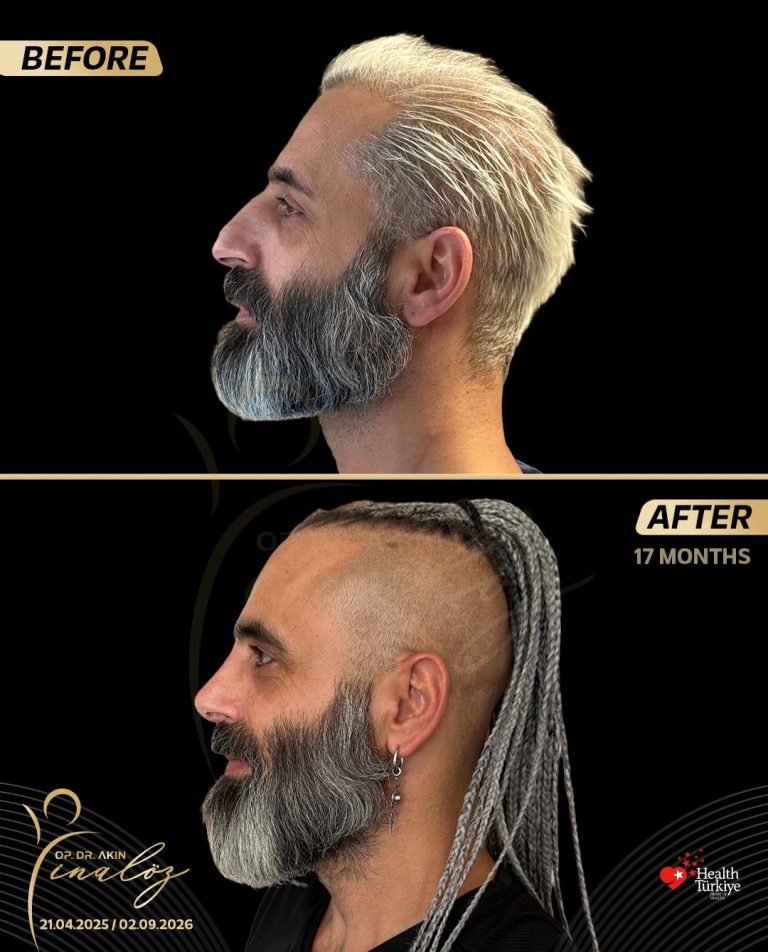
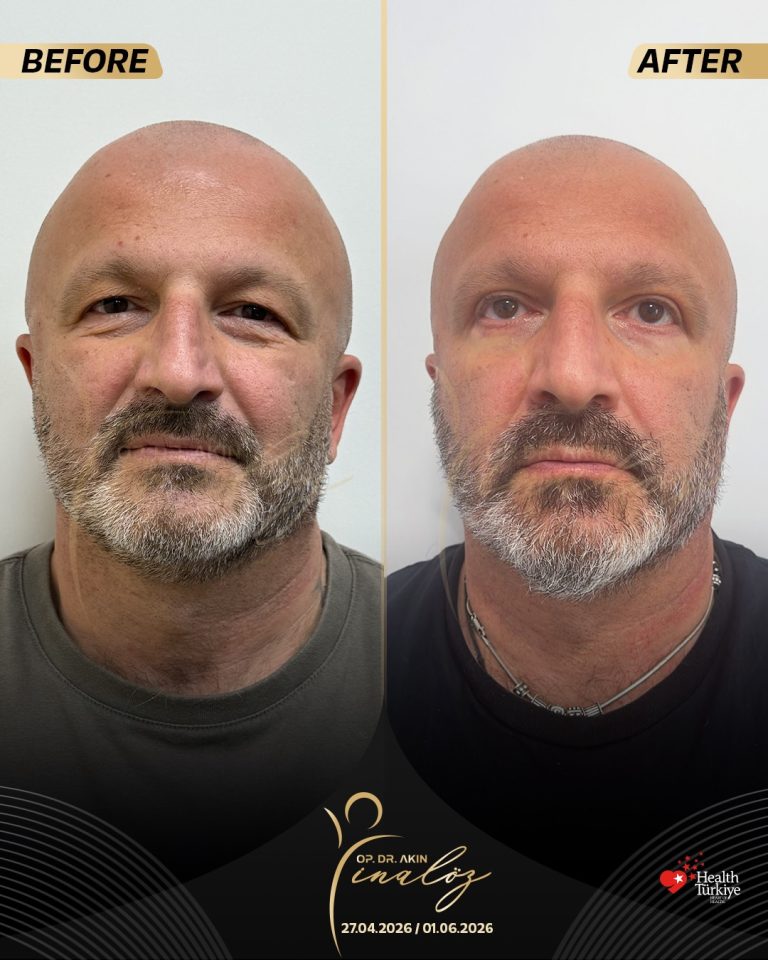
My goal is not just to perform a procedure, but to guide each patient through a safe, well-planned process toward a result that feels genuinely their own.
Results shown are of actual patients and may vary.
RELATED PROCEDURES
Considering Face Surgery?
Contact info
- Optimist Residence, Fikirtepe, NO:10/35, 34720 Kadıköy/İstanbul
- +90 535 056 01 50
- info@akininaloz.com.tr