- Optimist Residence, Fikirtepe, NO:10/35, 34720 Kadıköy/İstanbul
- +90 535 056 01 50
- info@akininaloz.com.tr
BODY CONTOURING
Comprehensive Guide to Advanced Body Contouring in Istanbul, Turkey
Body contouring encompasses an extensive portfolio of advanced surgical and non-surgical interventions designed to systematically reshape, refine, and harmonize the body’s overall anatomical silhouette. Following substantial weight loss, significant physiological fluctuations, pregnancy, or intrinsic structural aging, the skin envelope and underlying soft-tissue framework frequently lose their natural elastic recoil. This degenerative process results in redundant folds, localized adipose deposits, and severe contour irregularities that resist traditional diet and physical conditioning regimens. Performed within fully accredited, state-of-the-art surgical facilities in Istanbul, modern body contouring protocols prioritize precise tissue excision, vector-controlled skin tightening, structural musculofascial restoration, and predictable, aesthetically harmonious outcomes. International patients traveling from the United Kingdom and across Europe benefit from comprehensive surgical planning, advanced anatomical mapping diagnostics, and structured post-operative care pathways engineered to ensure maximum clinical safety, efficacy, and long-term aesthetic stability.
Modern aesthetic surgery has evolved significantly over recent decades, shifting definitively away from generalized, high-risk volumetric reductions toward highly customized anatomical tailoring. Every physical structure exhibits unique biomechanical and morphological parameters, including skeletal proportions, skin envelope elasticity, superficial fascial system integrity, and localized fat distribution density. Achieving balanced, enduring results requires rigorous pre-operative planning, advanced surface mapping diagnostics, and an exhaustive understanding of soft-tissue mechanics under varying postural and gravitational loads. Istanbul has emerged as a premier global hub for these complex procedures, combining world-class surgical expertise with meticulous patient coordination frameworks tailored specifically to international clientele seeking discreet, high-end medical journeys.
Anatomical Foundations and the Etiology of Soft-Tissue Laxity
The structural integrity of the human body relies upon a continuous, highly organized network of collagen and elastin fibers embedded within the dermal matrix, supported structurally by the superficial musculo-aponeurotic system and deep fascial attachments. When these supportive matrices undergo severe, sustained stretching—such as through massive bariatric weight loss, pregnancy, or rapid hormonal shifts—their intrinsic elastic recoil capacity is permanently compromised, leading to structural failure of the dermal scaffolding.
Massive Weight Loss Sequelae and Dermal Failure: Following bariatric surgery or significant lifestyle-induced weight reduction, patients frequently present with profound circumferential skin laxity, ptosis of the trunk and extremities, and persistent localized fat pockets. The skin envelope, having been maximally distended, cannot retract to match the reduced underlying skeletal and muscular volume, resulting in hanging folds of redundant tissue.
Structural Contour Irregularities and Biomechanical Strain: Loss of dermal tension leads to the formation of redundant skin folds, which not only alter aesthetic proportions and disrupt clothing fit but also create significant functional challenges. These include chronic intertriginous dermatitis, frictional irritation, moisture accumulation, and hygiene difficulties within deep skin folds.
Adipose Distribution Dynamics and Metabolic Resistance: Stubborn adipose deposits that are metabolically resistant to localized weight loss often coexist with generalized skin laxity. Effective body contouring addresses both volumetric fat excess and cutaneous redundancy in a unified, synchronized surgical strategy to ensure optimal contour blending across adjacent anatomical zones.
Core Modalities and Comprehensive Surgical Protocols
Body contouring is rarely a single monolithic procedure; rather, it is a modular, highly adaptable discipline combining targeted fat removal, precise skin resection, and structural suspension across multiple anatomical zones to restore youthful proportions.
1. Circumferential Body Contouring and Abdominal Wall Reconstruction
Abdominal Wall Reconstruction and Diastasis Repair: Addresses anterior laxity by tightening the rectus abdominis muscle diastasis via internal multi-layer plication, followed by the strategic excision of the apron of redundant skin and subcutaneous fat.
Lower Body Lift (Belt Lipectomy): A comprehensive circumferential procedure that treats the abdomen, flanks, lateral thighs, and lower back in a continuous surgical vector, elevating and tightening the entire lower trunk to eliminate saddlebag configurations and dorsal folding.
2. Extremity Reshaping: Brachioplasty and Thighplasty
Brachioplasty (Arm Lift): Eliminates structural “batwing” deformities characterized by excess skin and adipose tissue of the upper arms, utilizing a discreet longitudinal incision placed along the inner sulcus to re-establish a taut, well-defined contour from the axilla to the elbow.
Thighplasty (Thigh Lift): Targets medial or lateral skin laxity resulting from massive weight fluctuations, utilizing precise vertical or horizontal vector suspension to tighten the thigh envelope, eliminate chafing, and improve lower limb proportionality.
3. Advanced Energy-Assisted Liposuction Integration
Liposuction serves as an essential sculpting and transitioning adjunct in modern body contouring procedures. Utilizing advanced technological platforms—such as ultrasound-assisted (UAL) or laser-assisted (LAL) energy systems—surgeons can selectively emulsify localized adipose tissue while stimulating mild dermal contraction and collagen remodeling prior to definitive skin excision.
The Comprehensive Clinical Pathway for International Patients
Undergoing advanced multi-zone surgical procedures abroad requires a structured, multi-phase framework ensuring clinical continuity from initial virtual consultation to final post-operative clearance and long-term monitoring.
Remote Diagnostics and Initial Assessment: Initial evaluations involve comprehensive digital photographic analysis, detailed medical history reviews, bariatric nutritional and stability checks, and virtual consultations to establish preliminary surgical candidacy, sequencing, and realistic expectations.
Pre-Operative Evaluation in Istanbul: Upon arrival at the accredited facility in Istanbul, thorough physical examinations, comprehensive blood panels, and cardiovascular clearances are conducted by the multidisciplinary medical team to confirm optimal physiological fitness.
Surgical Execution and Anesthesia Protocols: Interventions are performed under general anesthesia administered by qualified, board-certified anesthesiologists within sterile operating theaters equipped with advanced life-support and monitoring technology.
Immediate Post-Operative Monitoring: Patients are transferred to specialized recovery units for continuous vital sign tracking, fluid balance management, pain protocol optimization, and early mobilization under direct medical supervision.
Recovery and Follow-Up Protocols: Post-surgical check-ups verify proper wound healing, assess edema and drain management, and clear the patient for safe return travel to the United Kingdom, supplemented by remote telemedical monitoring channels.

Op. Dr. Akın İnalöz
Plastic & aesthetic surgeon, Kadıköy, Istanbul
Quick Enquiry
Things You Might Be Wondering
Frequently Asked Questions
Most body contouring patients require approximately 10 to 14 days of local rest in Istanbul before undertaking international air travel or resuming sedentary work duties. Complete resolution of post-operative edema and the resumption of high-impact physical exercise or heavy lifting generally requires 6 to 8 weeks, subject to individual tissue healing characteristics and the extent of the procedures performed.
Yes. Staged or combined procedures (such as a lower body lift combined with breast reshaping) are frequently planned based on patient safety parameters, total operative duration, and individual physiological recovery capacity evaluated during the pre-operative consultation.
Surgeons strategically position incision lines within natural anatomical creases or areas concealable by standard garments. Meticulous tension-free multilayer closure techniques and comprehensive post-operative scar management protocols, including silicone sheeting and topical care, are implemented during the maturation phase.
The surgical excision of redundant skin and localized fat provides long-lasting structural correction and contour stability. However, maintaining a stable body weight and a healthy lifestyle is essential to preserve the surgical outcome against future natural tissue aging and weight fluctuations.
All accredited procedures utilize rigorous DVT (deep vein thrombosis) prophylaxis, advanced intraoperative warming systems, precise blood-loss management, and comprehensive post-operative monitoring within fully equipped hospital intensive care environments when required.
Travelling from the UK for body surgery?
See how the consultation, treatment and recovery process works, start to finish.
Op. Dr. Akın İnalöz
Natural Aesthetic Evolutions
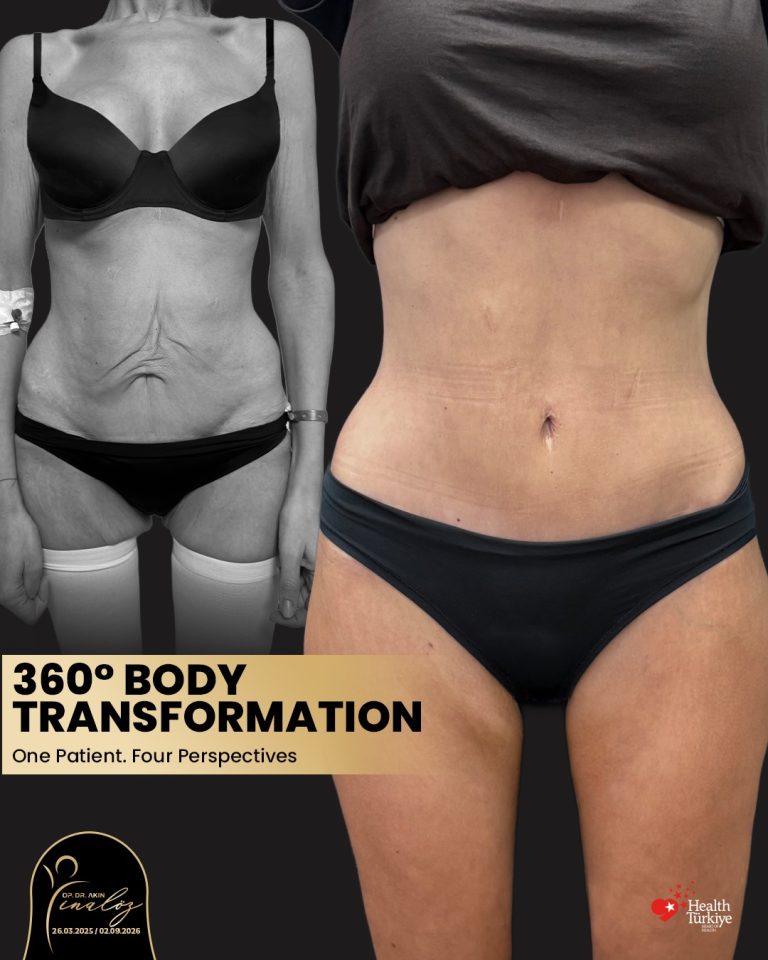
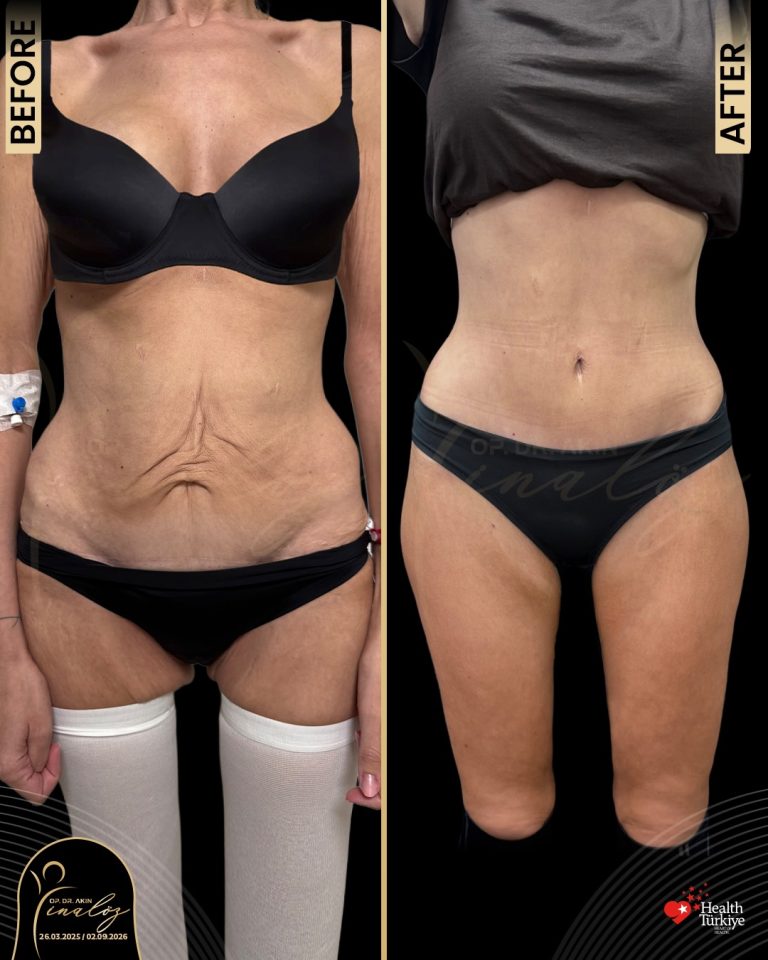
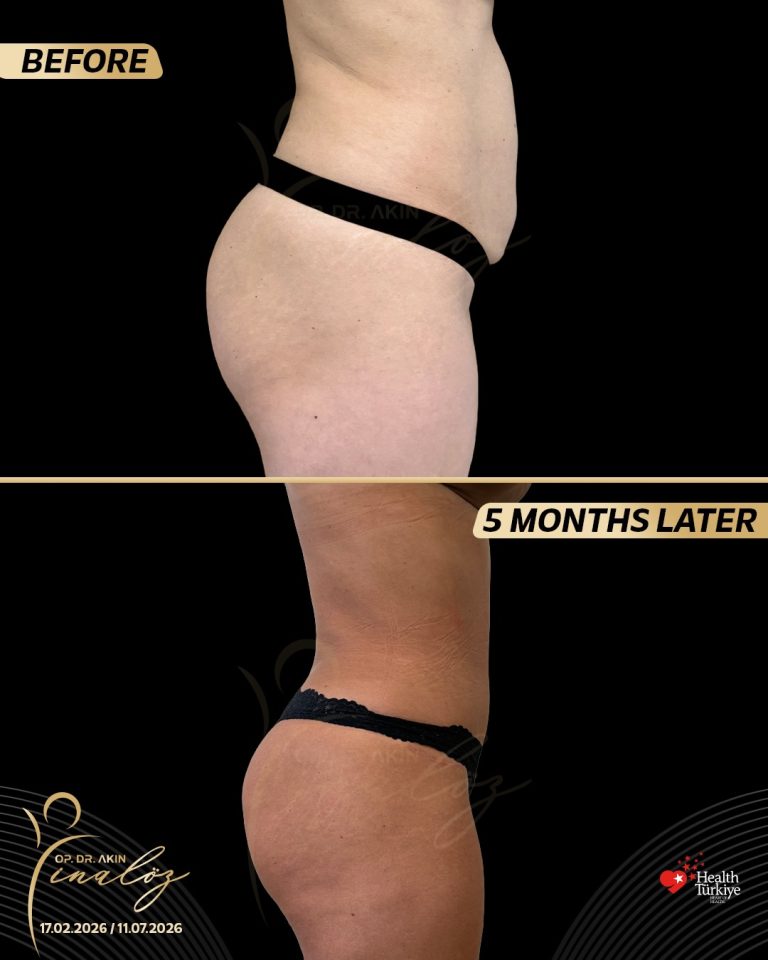
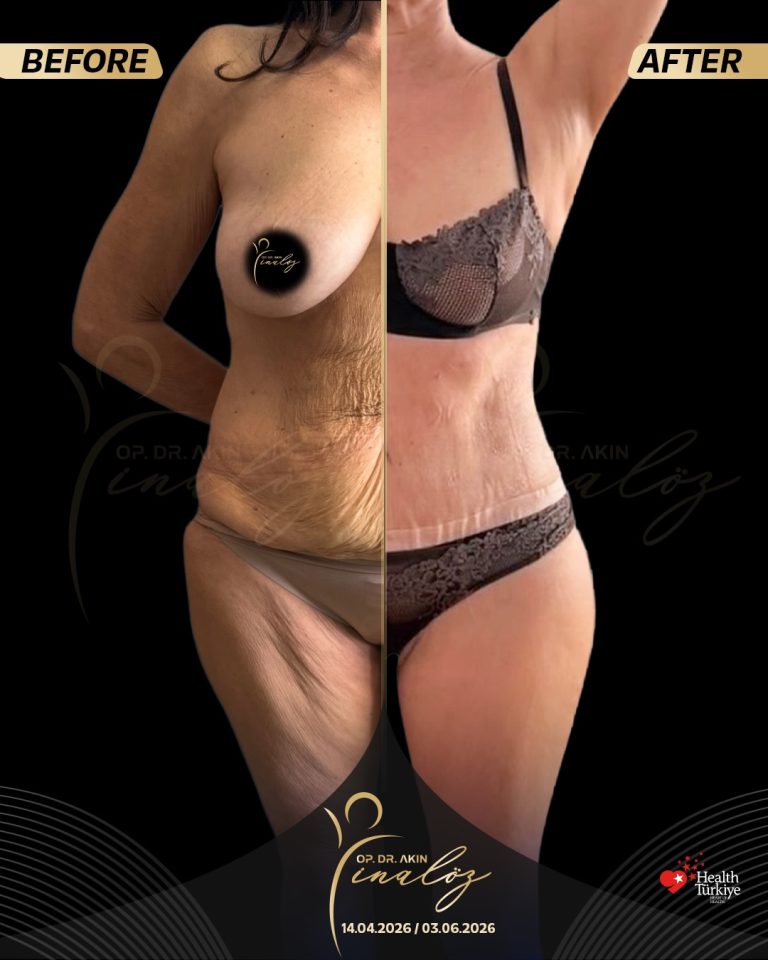
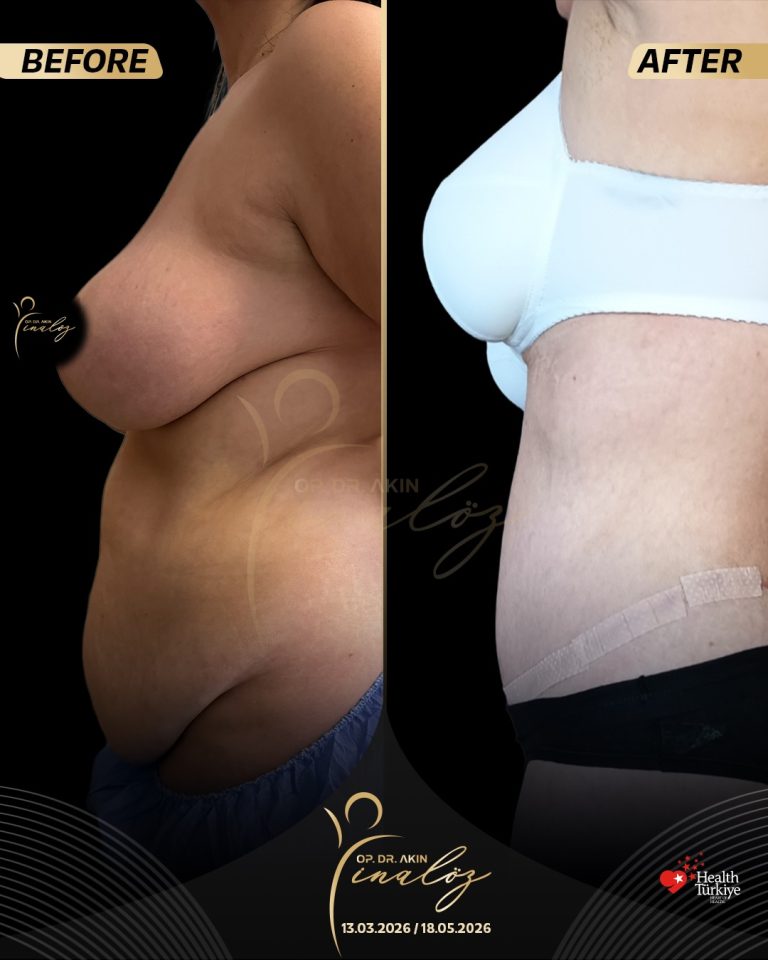
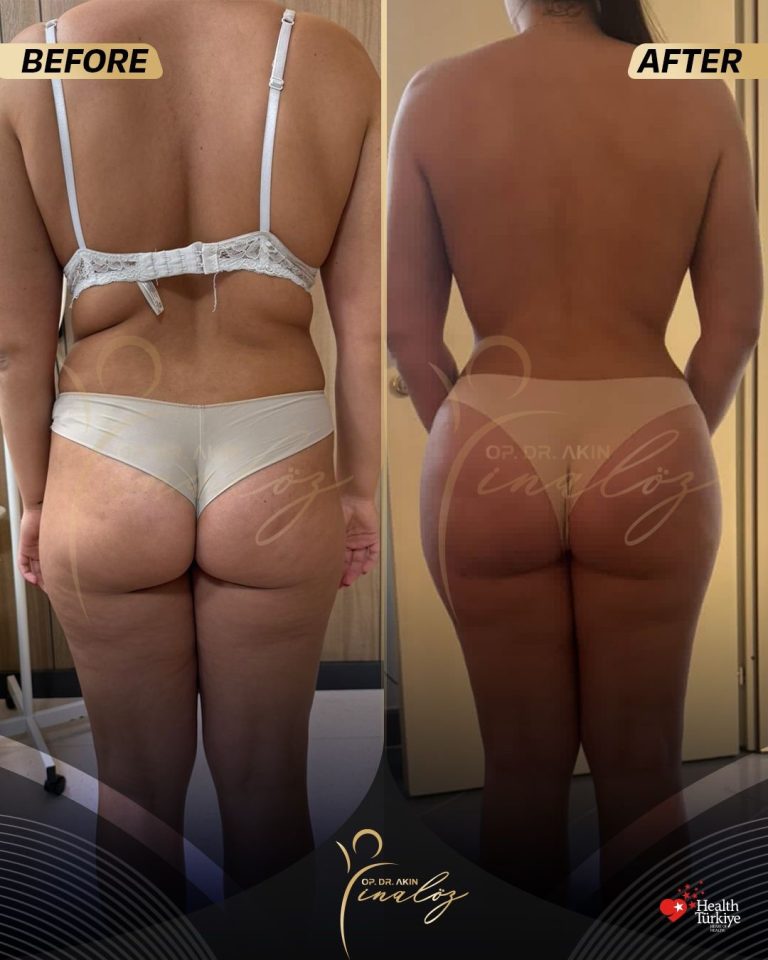
My goal is not just to perform a procedure, but to guide each patient through a safe, well-planned process toward a result that feels genuinely their own.
Results shown are of actual patients and may vary.
RELATED PROCEDURES
Considering Body Surgery?
Contact info
- Optimist Residence, Fikirtepe, NO:10/35, 34720 Kadıköy/İstanbul
- +90 535 056 01 50
- info@akininaloz.com.tr