- Optimist Residence, Fikirtepe, NO:10/35, 34720 Kadıköy/İstanbul
- +90 535 056 01 50
- info@akininaloz.com.tr

BREAST IMPLANT REVISION
Comprehensive Guide to Implant Revision Surgery in Istanbul, Turkey
Implant revision surgery is a highly specialized and technically demanding secondary intervention designed to replace, adjust, modify, or remove pre-existing breast implants. Whether necessitated by natural tissue aging, capsular contracture, device degradation, dimensional reassessment, or structural malposition, revisionary procedures require profound anatomical expertise and meticulous surgical execution. Performed within fully accredited surgical facilities in Istanbul, modern revision protocols prioritize safe scar tissue management, pocket reconstruction, and predictable aesthetic restoration. International patients traveling from the United Kingdom and across Europe benefit from comprehensive surgical planning, high-grade implant technologies, and structured post-operative care pathways designed to ensure safety, clinical efficacy, and long-term satisfaction.
Modern aesthetic and reconstructive surgery has evolved significantly, moving away from standardized approaches toward highly customized anatomical solutions. Every revision case presents unique biomechanical challenges, including altered tissue planes, varying degrees of capsular thickness, skin envelope laxity, and native parenchymal redistribution. Achieving harmonious, balanced, and enduring results requires rigorous pre-operative planning, advanced surface mapping diagnostics, and an exhaustive understanding of soft-tissue mechanics following primary interventions.
Clinical Indications and Etiology for Revisionary Intervention
Implant revision encompasses a broad spectrum of clinical scenarios, ranging from routine device maintenance to complex corrective reconstructions. Understanding the precise physiological or structural motivation behind a revision is critical for formulating an optimal surgical strategy.
Capsular Contracture: The most common medical indication for revision, characterized by the excessive fibrotic tightening of the scar tissue capsule surrounding the implant. This process can cause firmness, distortion, chronic discomfort, or superior displacement of the device. Management typically involves total capsulectomy (excision of the contracted capsule) and pocket reconfiguration.
Structural Compromise and Shell Degradation: While modern fifth-generation cohesive implants are exceptionally durable, routine monitoring or mechanical wear over extended periods may necessitate elective device exchange to prevent long-term complications.
Implant Malposition and Displacement: Issues such as bottoming out, lateral displacement, high-riding implants, or symmastia (medial convergence) occur when the initial surgical pocket stretches or is placed outside optimal anatomical boundaries, requiring precise pocket repair and internal suturing techniques.
Dimensional Reassessment (Upsizing or Downsizing): Patients frequently elect secondary procedures to modify their overall bust volume, transitioning to larger or smaller devices to align with changing lifestyle requirements, aesthetic preferences, or weight fluctuations.
Late Seroma Formation and BIA-ALCL Awareness: Persistent fluid accumulation or structural changes within the pocket require thorough diagnostic evaluation, comprehensive capsular excision, and specialized pathological analysis to ensure absolute patient safety.
Surgical Modalities, Capsular Management, and Pocket Reconstruction
The execution of an implant revision demands advanced surgical versatility, as the structural integrity of the native tissue may be altered from previous procedures.
1. Capsular Management Protocols
Capsulotomy: A controlled incision or partial release of the fibrous capsule, occasionally utilized to expand a restricted pocket during minor adjustments.
Total Capsulectomy: The complete surgical removal of the entire fibrotic capsule enclosing the implant. This technique is mandatory in cases of severe capsular contracture, late seroma, or total device removal, effectively eliminating the pathological environment and resetting the tissue plane.
Partial Capsulectomy: Selective excision of thickened or problematic capsular segments while preserving structurally sound tissue to support the newly positioned device.
2. Pocket Reconstruction and Acellular Dermal Matrices (ADM)
When previous procedures have resulted in pocket laxity, thinning soft-tissue coverage, or inferior support, surgeons utilize advanced reconstructive adjuncts such as acellular dermal matrices or specialized internal dermal slings. These biological materials reinforce the lower pole of the breast, provide stable structural support, and prevent recurrent malposition or bottoming out. Furthermore, conversion from subglandular to dual-plane placement is frequently executed during revision to optimize soft-tissue coverage over the upper pole.
The Comprehensive Clinical Pathway for International Patients
Undergoing advanced revisionary procedures abroad requires a structured, multi-phase framework ensuring clinical continuity from initial virtual consultation to final post-operative clearance and long-term monitoring.
Remote Diagnostics and Initial Assessment: Initial evaluations involve digital photographic analysis, historical medical record reviews, previous implant specification checks, and virtual consultations to discuss anatomical expectations and establish preliminary surgical candidacy.
Pre-Operative Evaluation in Istanbul: Upon arrival at the accredited facility in Istanbul, physical examinations, comprehensive blood panels, and advanced imaging (such as high-resolution ultrasound or diagnostic MRI) are conducted by the multidisciplinary medical team to evaluate current implant integrity and tissue status.
Surgical Execution and Anesthesia Protocols: Interventions are performed under general anesthesia administered by qualified, board-certified anesthesiologists within sterile operating theaters equipped with advanced life-support and monitoring technology.
Immediate Post-Operative Monitoring: Patients are transferred to specialized recovery units for continuous vital sign tracking, pain management optimization, and early mobilization protocols under direct medical supervision.
Recovery and Follow-Up Protocols: Post-surgical check-ups verify proper wound healing, assess edema reduction, and clear the patient for safe return travel to the United Kingdom, supplemented by remote telemedical monitoring channels.

Op. Dr. Akın İnalöz
Plastic & aesthetic surgeon, Kadıköy, Istanbul
Quick Enquiry
Things You Might Be Wondering
Frequently Asked Questions
Most revision patients require approximately 7 to 10 days of local rest in Istanbul before undertaking international air travel or resuming sedentary work duties. Complete resolution of post-operative edema and the resumption of high-impact physical exercise or heavy lifting generally requires 4 to 6 weeks, subject to individual tissue healing characteristics.
Not strictly. While total capsulectomy is mandatory for treating severe capsular contracture, late seroma, or device rupture, minor revisions focused solely on volume adjustment or scar refinement may only require partial capsular release or standard pocket optimization.
Yes. Revision surgery is specifically structured to address and correct prior asymmetries, tissue thinning, malposition, or contour irregularities by utilizing precise pocket reconstruction techniques and customized implant selection.
Surgeons utilize meticulous tension-free multilayer closure techniques, dissolvable subcutaneous sutures, and specialized atraumatic instrumentation—often attempting to utilize pre-existing incision pathways where feasible. Post-operative scar management protocols, including silicone sheeting and topical silicone gels, are subsequently recommended during the maturation phase.
Contemporary fourth and fifth-generation silicone gel implants utilize highly cohesive cross-linked structures designed for long-term durability. Most leading international implant manufacturers provide comprehensive product replacement policies and warranties, supported by routine clinical follow-up guidelines.
Travelling from the UK for breast surgery?
See how the consultation, treatment and recovery process works, start to finish.
Op. Dr. Akın İnalöz
Natural Aesthetic Evolutions
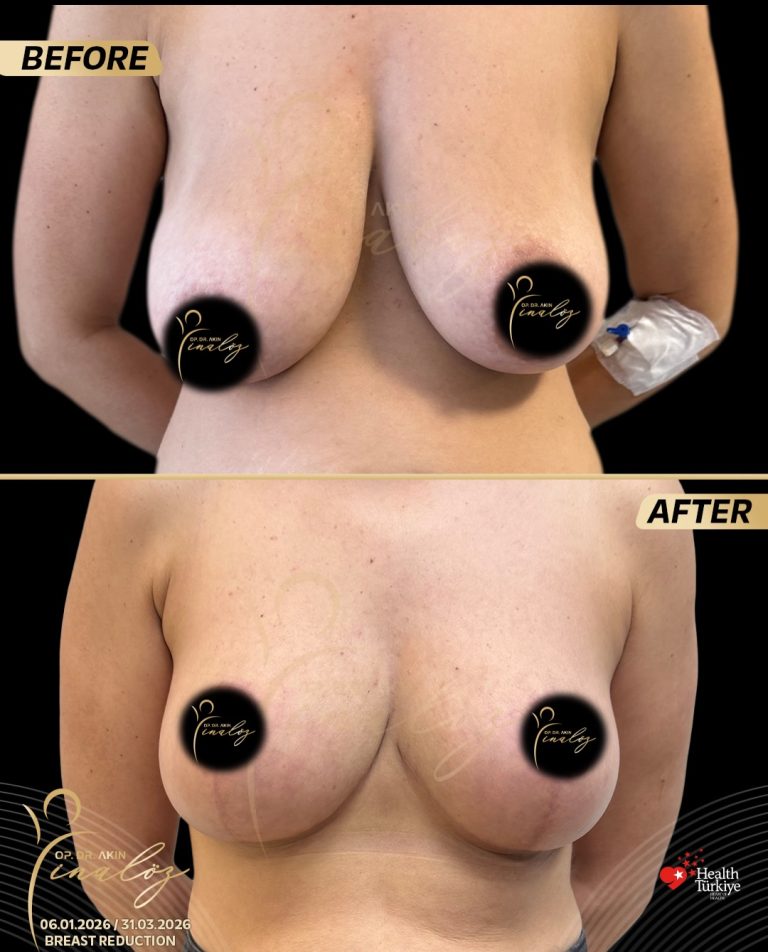
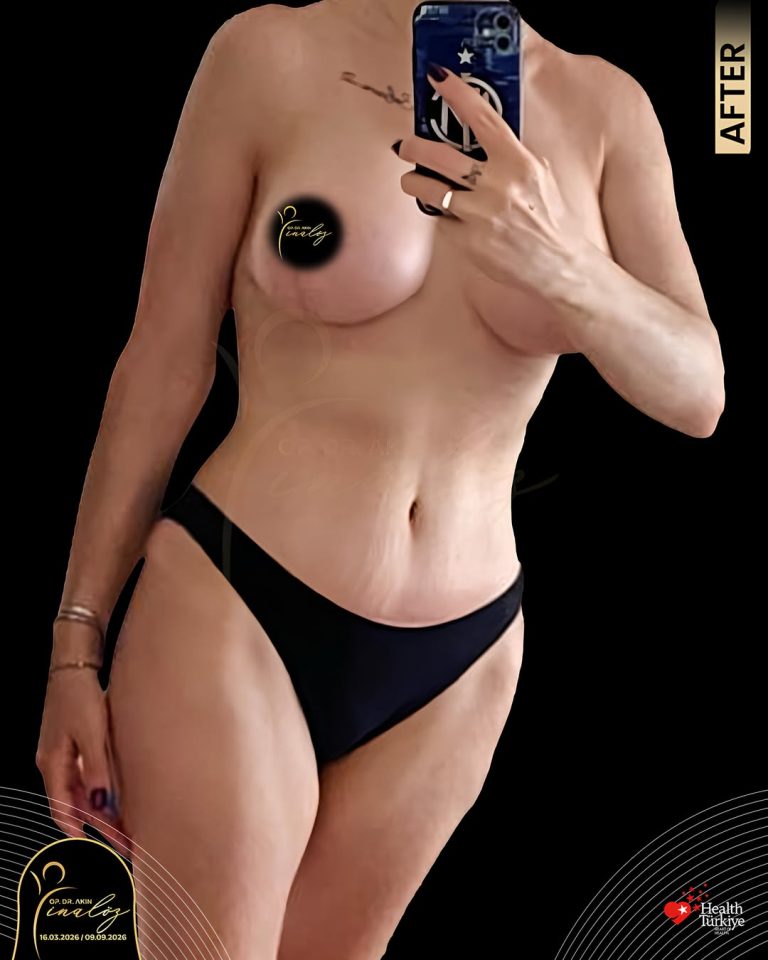
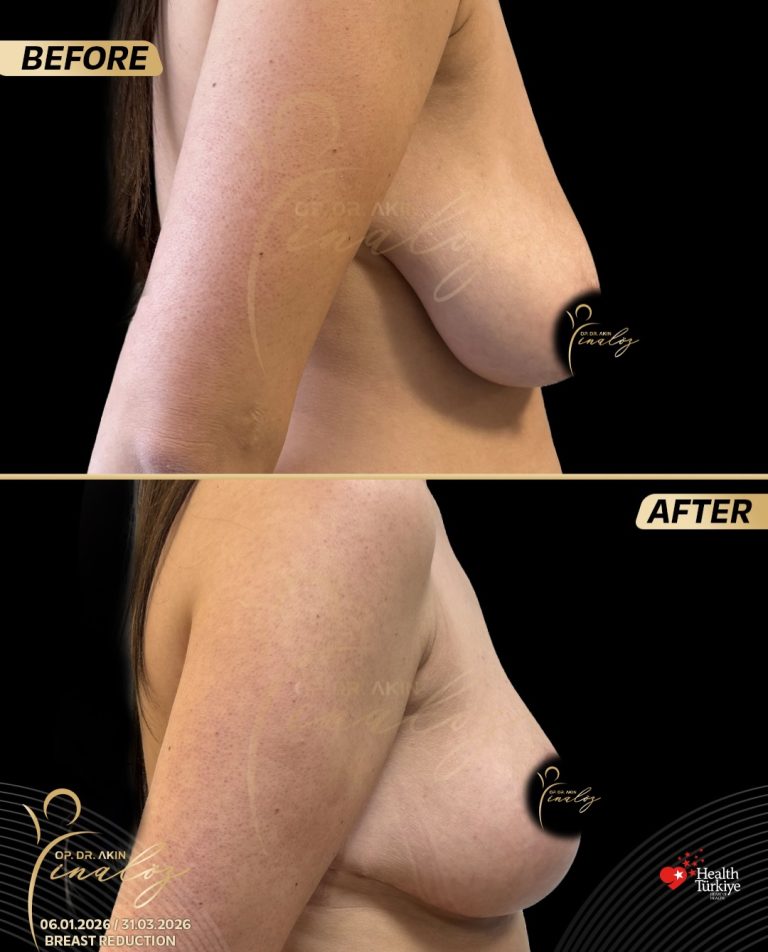
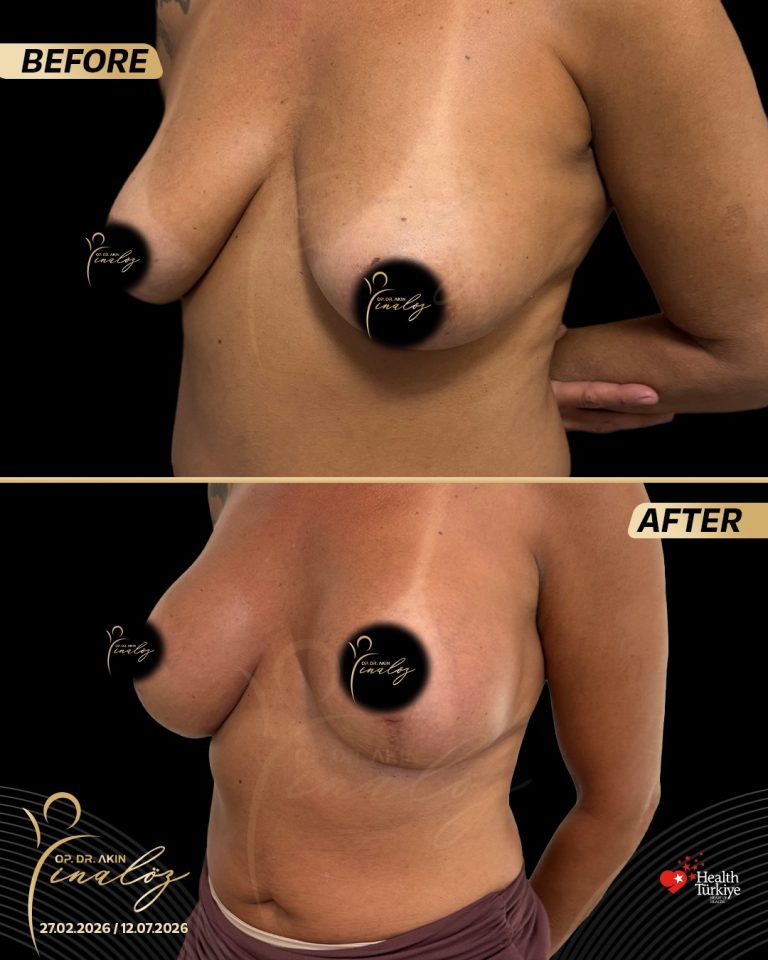
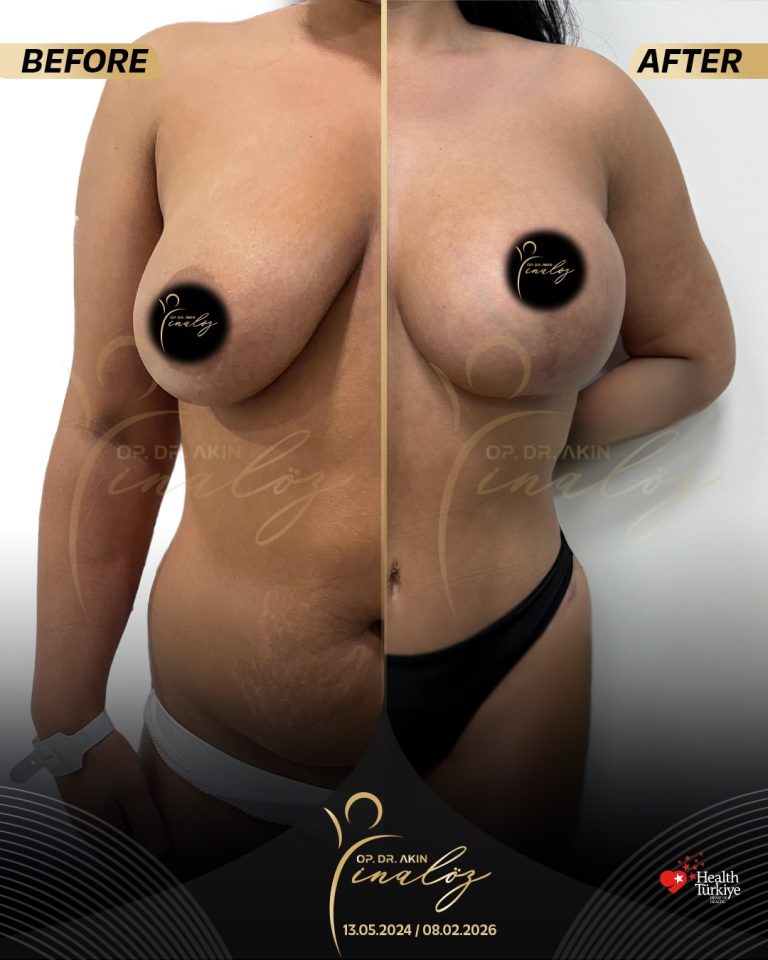
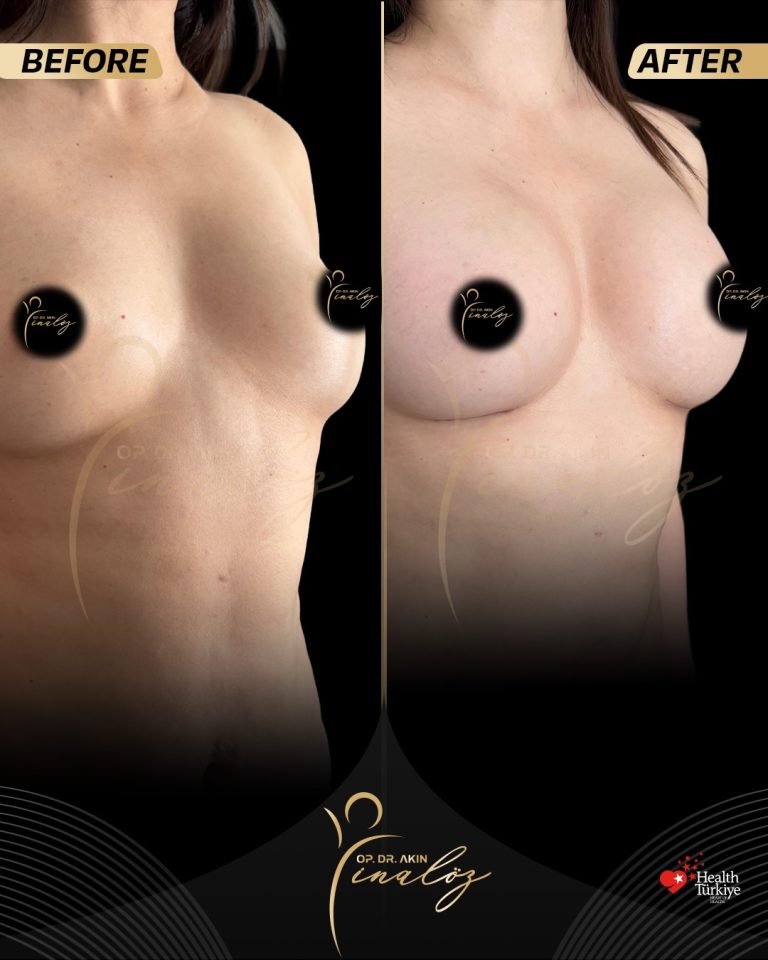
My goal is not just to perform a procedure, but to guide each patient through a safe, well-planned process toward a result that feels genuinely their own.
Results shown are of actual patients and may vary.
RELATED PROCEDURES
Considering Breast Surgery?
Contact info
- Optimist Residence, Fikirtepe, NO:10/35, 34720 Kadıköy/İstanbul
- +90 535 056 01 50
- info@akininaloz.com.tr