- Optimist Residence, Fikirtepe, NO:10/35, 34720 Kadıköy/İstanbul
- +90 535 056 01 50
- info@akininaloz.com.tr

TUMMY TUCK
Comprehensive Guide to Tummy Tuck (Abdominoplasty) Surgery in Istanbul, Turkey
Tummy tuck surgery, clinically designated as abdominoplasty, is a sophisticated and highly specialized surgical intervention designed to definitively correct anterior abdominal wall laxity, eliminate redundant cutaneous folds, and repair structural rectus muscle separation (diastasis recti). Following significant physiological fluctuations, massive weight loss, or multiple pregnancies, the skin envelope and underlying musculo-aponeurotic framework frequently lose their natural structural integrity and elastic recoil. Performed within fully accredited, state-of-the-art surgical facilities in Istanbul, modern abdominoplasty protocols prioritize precise musculofascial plication, vector-controlled skin excision, and predictable, aesthetically harmonious outcomes. International patients traveling from the United Kingdom and across Europe benefit from comprehensive surgical planning, advanced anatomical mapping diagnostics, and structured post-operative care pathways engineered to ensure maximum clinical safety, efficacy, and long-term aesthetic stability.
Modern aesthetic surgery has evolved significantly over recent decades, shifting definitively away from generalized, superficial skin trims toward highly customized anatomical restorations. Every physical structure exhibits unique biomechanical and morphological parameters, including skeletal proportions, skin envelope elasticity, superficial fascial system integrity, and localized fat distribution density. Achieving balanced, enduring results requires rigorous pre-operative planning, advanced surface mapping diagnostics, and an exhaustive understanding of soft-tissue mechanics under varying postural and gravitational loads. Istanbul has emerged as a premier global hub for these complex procedures, combining world-class surgical expertise with meticulous patient coordination frameworks tailored specifically to international clientele seeking discreet, high-end medical journeys.
Anatomical Foundations and Abdominal Wall Integrity
The structural stability of the anterior human abdomen relies upon a complex, multi-layered architecture comprising skin, subcutaneous adipose tissue, the Scarpa’s fascia, the rectus abdominis muscles, and the posterior rectus sheath.
Diastasis Recti and Musculoskeletal Separation: During pregnancy or prolonged intra-abdominal pressure elevation, the linea alba—the connective tissue band uniting the left and right rectus abdominis muscles—stretches and separates. This muscular laxity creates a protruding abdominal profile that cannot be corrected through physical conditioning or core strengthening exercises alone, requiring internal surgical plication.
Cutaneous Redundancy and Dermal Laxity: When the skin envelope undergoes sustained stretching, the underlying elastic fibers experience structural failure. Consequently, even after weight stabilization, redundant folds of skin persist across the lower and middle abdomen, frequently accompanied by striae and textural irregularities.
Vascular Architecture and Perforator Preservation: Modern abdominoplasty techniques emphasize the careful preservation of deep inferior epigastric perforator vessels, ensuring optimal blood supply to the mobilized skin flaps and minimizing the risk of ischemic complications during tissue transposition.
Surgical Modalities and Technical Execution Protocols
The execution of an abdominoplasty requires a highly methodical, multi-phase surgical strategy tailored to the precise degree of structural laxity and patient anatomy.
1. Full Abdominoplasty with Transposition of the Umbilicus
Indicated for patients exhibiting severe upper and lower abdominal skin laxity, extensive striae, and significant muscular separation. The procedure involves a low transverse incision hidden within the bikini line, the mobilization of the entire abdominal flap up to the xiphoid process, meticulous muscular plication from the xiphoid to the pubic bone, and the precise surgical recreation and repositioning of the umbilicus.
2. Mini-Abdominoplasty for Targeted Lower Laxity
Designed for individuals whose laxity is localized primarily below the umbilicus, with minimal muscle separation above it. This approach utilizes a shorter transverse incision, avoids periumbilical displacement, and focuses exclusively on lower quadrant skin excision and localized muscular tightening.
3. Extended and Fleur-de-Lis Abdominoplasty Variations
For massive weight loss patients presenting with excess skin extending laterally toward the flanks or requiring vertical vector tightening, extended patterns or combined vertical-horizontal (fleur-de-lis) resections are utilized to achieve complete circumferential trunk harmonization.
The Comprehensive Clinical Pathway for International Patients
Undergoing advanced surgical procedures abroad requires a structured, multi-phase framework ensuring clinical continuity from initial virtual consultation to final post-operative clearance and long-term monitoring.
Remote Diagnostics and Initial Assessment: Initial evaluations involve comprehensive digital photographic analysis, detailed medical history reviews, bariatric nutritional and stability checks, and virtual consultations to establish preliminary surgical candidacy, mapping projections, and realistic aesthetic expectations.
Pre-Operative Evaluation in Istanbul: Upon arrival at the accredited facility in Istanbul, thorough physical examinations, comprehensive blood panels, and cardiovascular clearances are conducted by the multidisciplinary medical team to confirm optimal physiological fitness.
Surgical Execution and Anesthesia Protocols: Interventions are performed under general anesthesia administered by qualified, board-certified anesthesiologists within sterile operating theaters equipped with advanced life-support and monitoring technology.
Immediate Post-Operative Monitoring: Patients are transferred to specialized recovery units for continuous vital sign tracking, fluid balance management, pain protocol optimization, and early mobilization under direct medical supervision.
Recovery and Follow-Up Protocols: Post-surgical check-ups verify proper wound healing, assess abdominal binder and drain management, and clear the patient for safe return travel to the United Kingdom, supplemented by remote telemedical monitoring channels.

Op. Dr. Akın İnalöz
Plastic & aesthetic surgeon, Kadıköy, Istanbul
Quick Enquiry
Things You Might Be Wondering
Frequently Asked Questions
Most tummy tuck patients require approximately 10 to 14 days of local rest in Istanbul before undertaking international air travel or resuming sedentary work duties. Complete resolution of post-operative edema and the full manifestation of the final refined, flat abdominal contour generally requires 6 to 8 weeks, supported by continuous custom abdominal compression garment wear.
Yes. Liposuction of the flanks and upper waist is frequently combined with abdominoplasty to ensure harmonious contour blending and optimal waistline definition, provided the surgical plan remains within safe vascular perfusion parameters.
While pregnancy is physically possible following abdominoplasty, subsequent gestation can stretch the repaired rectus muscles and skin envelope once again, potentially compromising the surgical results. Patients are generally advised to complete their family planning prior to undergoing the procedure.
Surgeons strategically position the primary horizontal incision low within the natural underwear or bikini line to ensure discretion. Meticulous tension-free multilayer closure techniques and comprehensive post-operative scar management protocols, including silicone sheeting and topical care, are implemented during the maturation phase.
The surgical correction of muscle separation and the permanent excision of redundant skin provide long-lasting structural restoration. However, maintaining a stable body weight and a healthy lifestyle is essential to preserve the surgical outcome against future natural tissue aging and weight fluctuations.
Travelling from the UK for body surgery?
See how the consultation, treatment and recovery process works, start to finish.
Op. Dr. Akın İnalöz
Natural Aesthetic Evolutions
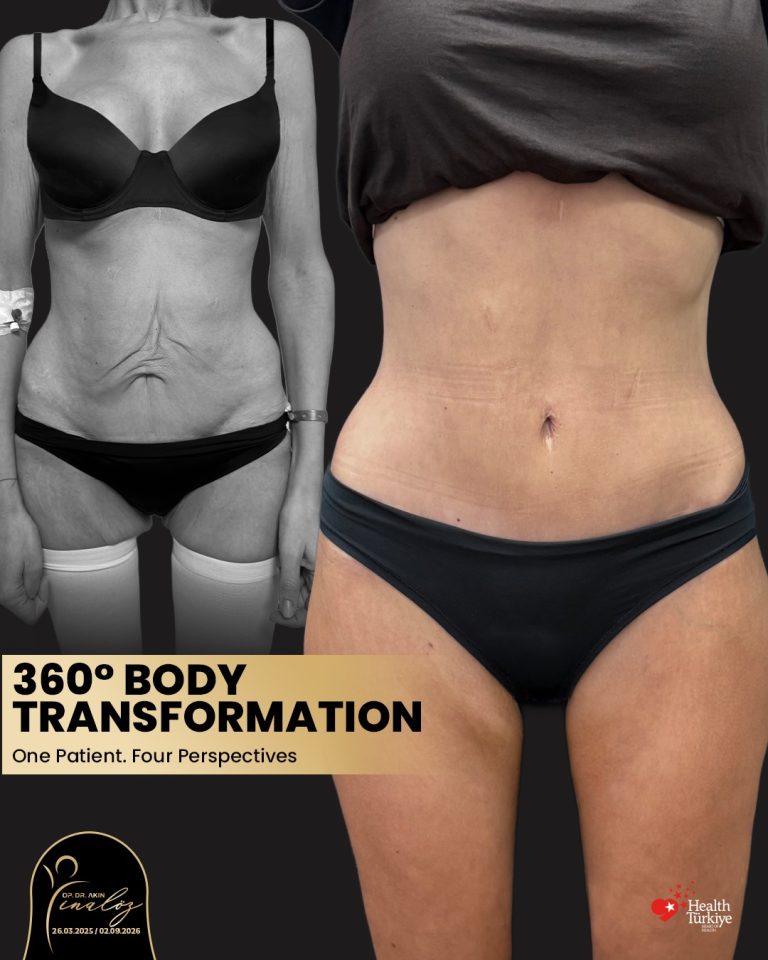
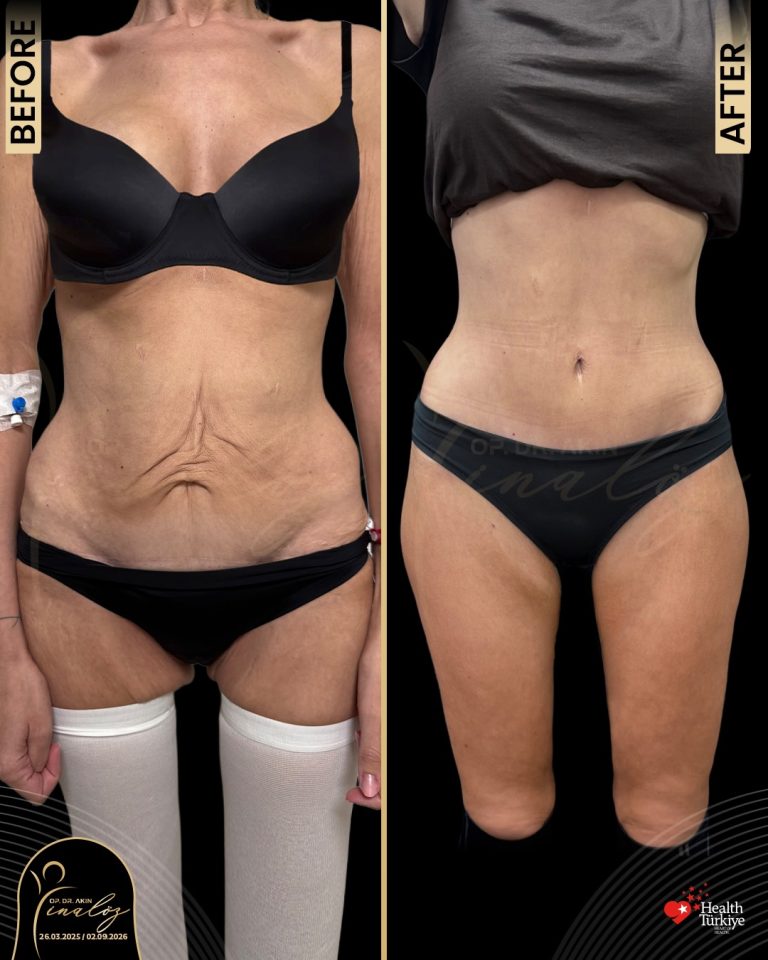
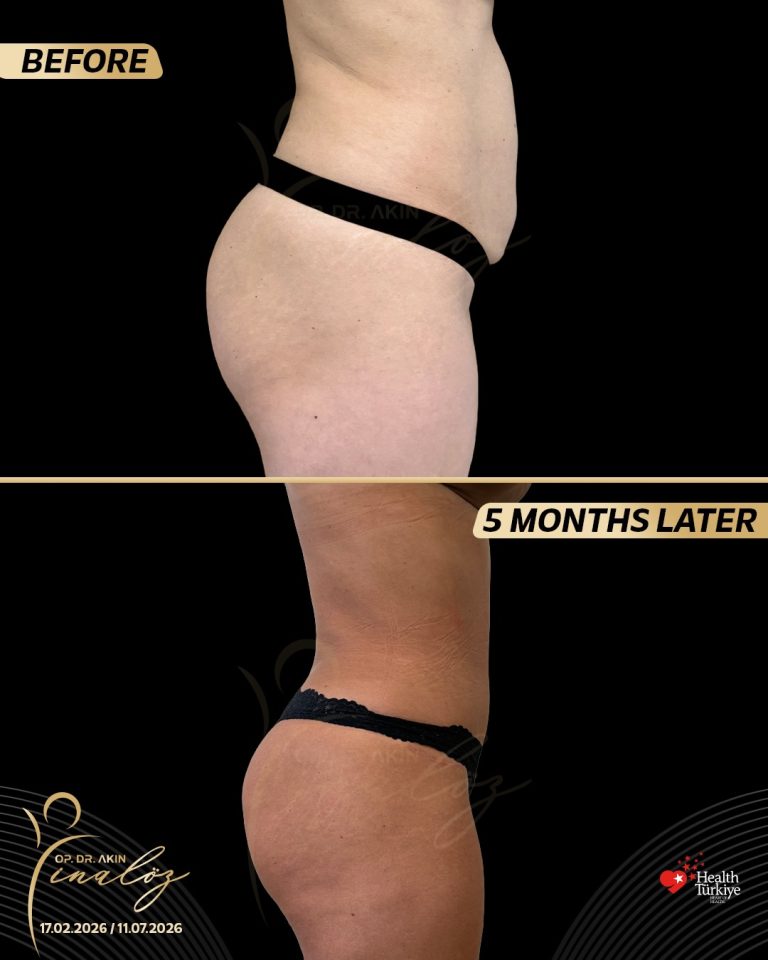
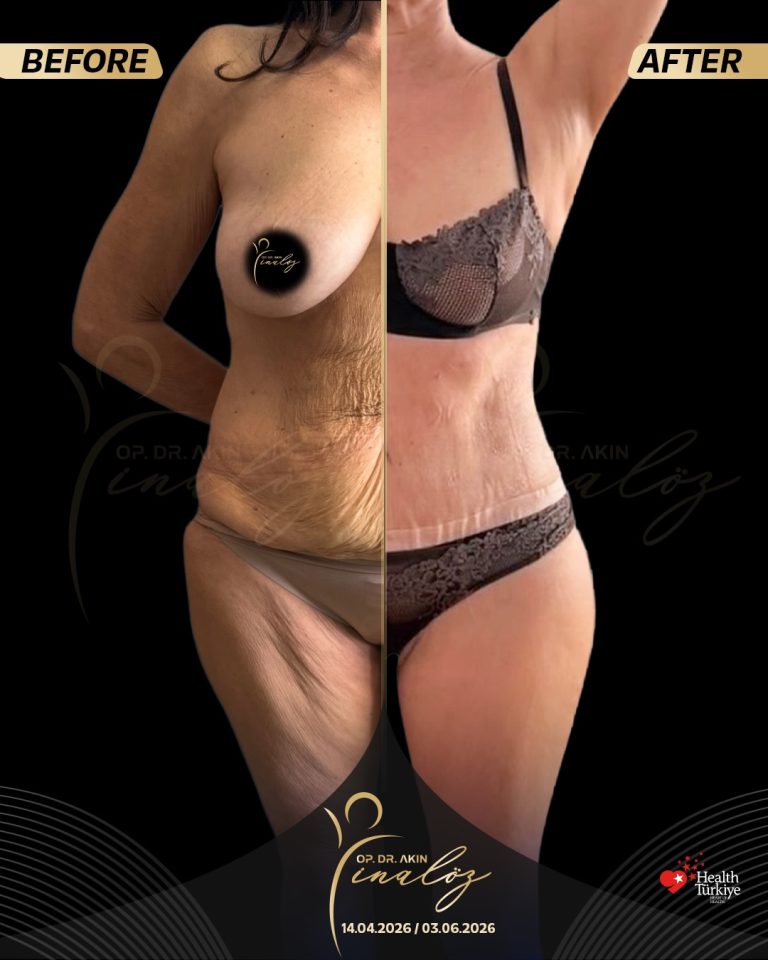
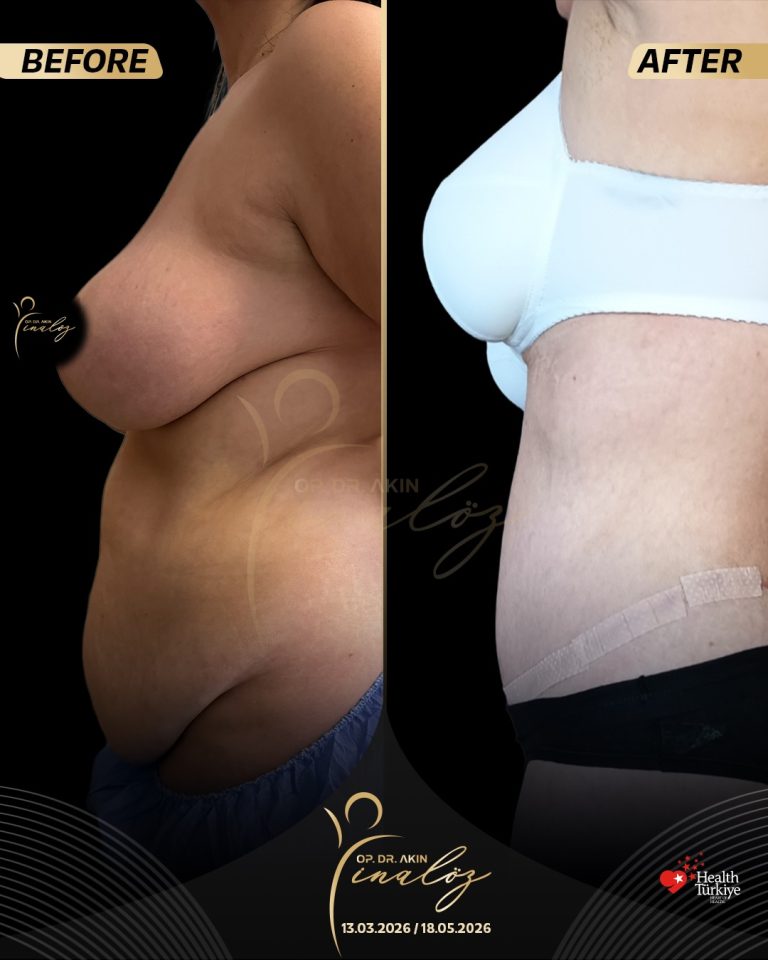
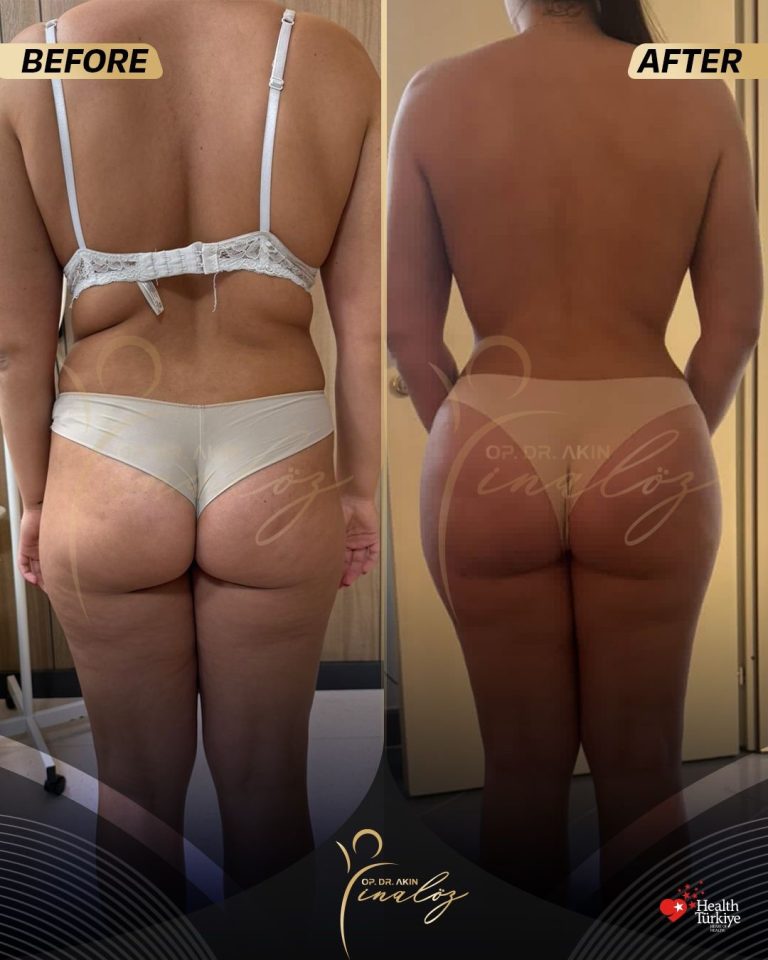
My goal is not just to perform a procedure, but to guide each patient through a safe, well-planned process toward a result that feels genuinely their own.
Results shown are of actual patients and may vary.
RELATED PROCEDURES
Considering Body Surgery?
Contact info
- Optimist Residence, Fikirtepe, NO:10/35, 34720 Kadıköy/İstanbul
- +90 535 056 01 50
- info@akininaloz.com.tr