
- Optimist Residence, Fikirtepe, NO:10/35, 34720 Kadıköy/İstanbul
- +90 535 056 01 50
- info@akininaloz.com.tr

Consultatıon Process
Consultation Process
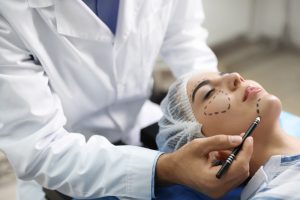
Every treatment journey begins in the same place: a consultation. For UK patients, this first conversation takes place remotely, before any travel is booked or any commitment is made. It’s the stage where your goals, your medical background, and your expectations are properly understood — and where a treatment plan is built specifically around you, rather than applied as a standard approach to every patient who walks through the door.
This page explains exactly how that process works, what you’ll need to prepare, and what happens once your consultation is complete, so you can approach it feeling informed rather than uncertain. Understanding every nuance of this initial step helps ensure a seamless experience from start to finish, providing complete transparency before you make any physical or financial arrangements.
How the Remote Consultation Works
Your consultation is typically conducted over a video call, giving you the chance to speak directly and ask questions in real time, in the same way you would during an in-person appointment. Alongside the conversation, you’ll usually be asked to share a set of photographs, taken according to simple guidelines, so that your anatomy can be properly assessed ahead of your call. This combination of visual assessment and direct conversation allows for a level of detail that a written form alone simply couldn’t provide.
During the consultation itself, you can expect to discuss your reasons for considering treatment, the specific outcome you’re hoping for, and any relevant medical history. This is also your opportunity to ask about the procedure itself — how it’s performed, what recovery typically involves, and anything else that’s on your mind. Nothing here is rushed; the aim is for you to leave the consultation with a clear understanding of what’s being proposed and why, rather than feeling as though information was skimmed over or rushed through under time constraints.
Many patients find it helpful to know that a consultation is a two-way conversation, not an assessment you’re being judged on. There’s no such thing as a question too small or too obvious to ask — if something matters to you, it’s worth raising openly during the session.
What to Prepare Before Your Consultation
A little preparation goes a long way in making your consultation as useful and efficient as possible. You’ll generally be asked to provide:
Photographs taken in specific lighting and angles, so your anatomy can be assessed accurately. Clear guidance on how to take these will be provided in advance, and you won’t be left guessing what’s required. Taking these images carefully ensures your specialist has the best possible foundation for evaluation.
A summary of your medical history, including any previous surgeries, existing conditions, medications, and allergies. This information helps ensure any treatment plan is both safe and appropriate for you specifically, rather than a generic recommendation. Transparency regarding your health profile is vital for a secure journey.
A clear sense of your goals — not necessarily technical language, but an honest description of what you’re hoping to change and why. It’s entirely normal not to know the exact terminology for what you want; describing it in your own words, or even using reference images, is enough for your specialist to understand your intentions thoroughly.
It can also help to write down your questions beforehand, however basic they might seem. Consultations can cover a lot of information in a relatively short space of time, and having a list in front of you ensures nothing important gets missed in the moment, particularly if you feel slightly nervous during the call itself, which is entirely normal for first-time international patients.
Building Your Personalized Treatment Plan
Once your goals and medical background have been reviewed, a treatment plan is put together specifically for you. This isn’t a generic package — it reflects your individual anatomy, your stated goals, and any medical considerations that came up during your consultation. If more than one approach could achieve what you’re looking for, the options and their respective trade-offs will be explained clearly, so you can make an informed decision rather than simply being told what to do without context.
You’ll also be talked through what the recovery process is likely to involve for your specific plan, since this varies depending on the procedure and, to some extent, on individual healing capabilities. Having a realistic picture of recovery from the outset is an important part of preparing properly for your trip, both practically and emotionally, ensuring you can arrange adequate time away from your daily routines.
If your goals turn out not to be a good match for the procedure you had in mind, this will be discussed honestly during your consultation. A responsible specialist will always tell you if something isn’t suitable or achievable, rather than agreeing to proceed regardless, keeping your long-term health and satisfaction as the absolute priority.
Getting Your Quote
Alongside your treatment plan, you’ll receive a clear quote covering your procedure. This is provided after your consultation, once your specific plan has been agreed, rather than as a generic estimate given before anyone has properly assessed your circumstances. Having this information early — before you book flights or arrange time off work — means you can plan your trip around a confirmed cost, not an approximate one that might change unexpectedly later.
If you have questions about what is and isn’t included in your quote, this is something you’re encouraged to raise during or after your consultation, so there’s no ambiguity before you commit to travelling. Clarity at this stage prevents any awkward surprises further down the line and allows you to budget your entire journey with absolute confidence.
What Happens If You Need More Time
Not every patient is ready to make a decision immediately after their consultation, and that’s completely understood. You’re never expected to confirm anything on the spot or feel cornered into an immediate commitment. Many patients take time afterwards to reflect, discuss the decision with family or friends, or simply let the information settle before deciding how to proceed.
Should you have further questions after your consultation has ended, you’re welcome to reach back out at any point — the conversation doesn’t have to end the moment the video call disconnects. Your support coordinator remains available to answer any lingering queries whenever you feel ready.
Common Concerns Patients Raise at This Stage
It’s completely normal to feel some apprehension before a consultation, particularly if this is the first time you’ve explored the idea of surgery seriously. Many patients tell us afterwards that their biggest worry beforehand was feeling judged for their goals, or that their questions would seem naive. In practice, consultations are approached without judgement — specialists experienced in aesthetic and reconstructive procedures have heard every kind of question and concern before, and nothing you raise will ever be dismissed as unimportant.
Another common concern is around honesty: patients sometimes worry that a facility will simply tell them what they want to hear in order to secure a booking. A consultation done properly does the opposite — it involves an honest assessment of what’s realistically achievable for your anatomy, including being told if a particular goal isn’t suitable, rather than having unrealistic expectations agreed to regardless.
How Long the Process Typically Takes
From your initial enquiry to receiving your confirmed treatment plan and quote, the consultation stage typically moves at a pace that suits you completely. Some patients are ready to book their trip within days of their consultation; others prefer to take several weeks to think things over, request additional information, or have a follow-up conversation before deciding. There’s no fixed timeline you’re expected to follow, and taking your time at this stage is never seen as an inconvenience by our team.
Consultations for Patients Who Are Still Deciding
Not everyone who books a consultation has fully decided to go ahead with treatment, and that’s entirely appropriate. A consultation is often exactly the information-gathering step people need in order to decide one way or the other — and it’s treated that way, without any pressure to commit simply because you’ve had an initial conversation.
If, after your consultation, you decide surgery isn’t the right choice for you, either at this time or at all, that’s a perfectly reasonable outcome. The purpose of the consultation is to help you make the right decision for yourself, whatever that turns out to be, rather than to secure a booking regardless of how comfortable you feel afterwards.
Preparing Emotionally, Not Just Practically
While much of the preparation for a consultation is practical — photographs, medical history, a list of questions — it’s worth giving some thought to the emotional side too. Being clear with yourself about why you’re considering treatment, and what you’re hoping it will change, tends to make for a more productive conversation than arriving without having reflected on this beforehand.
This doesn’t need to be a deeply philosophical exercise or an overwhelming task. Simply being honest with yourself about your personal motivations, and realistic about what a procedure can and can’t accomplish, sets a solid foundation for the rest of the consultation and the informed decisions that follow it.
Next Steps After Your Consultation
Once you’ve had time to consider your consultation and you’re ready to move forward, the next stage is planning your trip to Istanbul. This includes agreeing a convenient date for your procedure, arranging your international travel, and receiving detailed guidance on anything you should do to prepare in the weeks beforehand, such as appropriate adjustments to medication or lifestyle habits where relevant.
When you are ready, your dedicated point of contact will help you coordinate the practical details of your visit, so the transition from decision to departure feels organized rather than overwhelming, with every single stage explained clearly before you even need to think about it.

Op. Dr. Akın İnalöz
Plastic & aesthetic surgeon, Kadıköy, Istanbul
Quick Enquiry




Travelling from the UK for surgery?
See how the consultation, treatment and recovery process works, start to finish.
Op. Dr. Akın İnalöz
Natural Aesthetic Evolutions
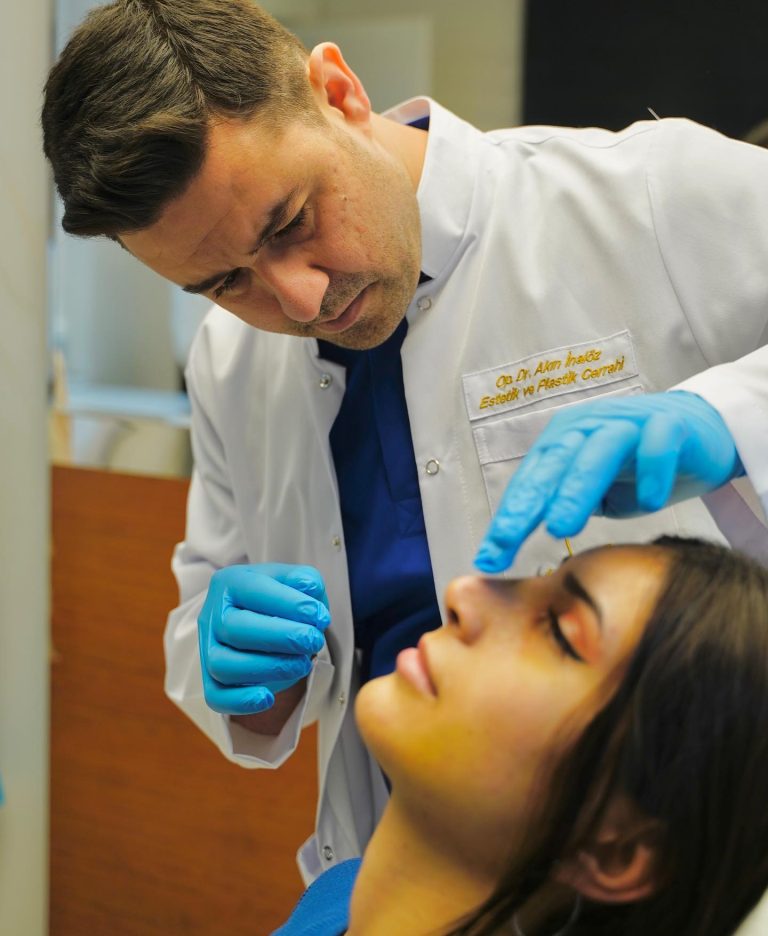
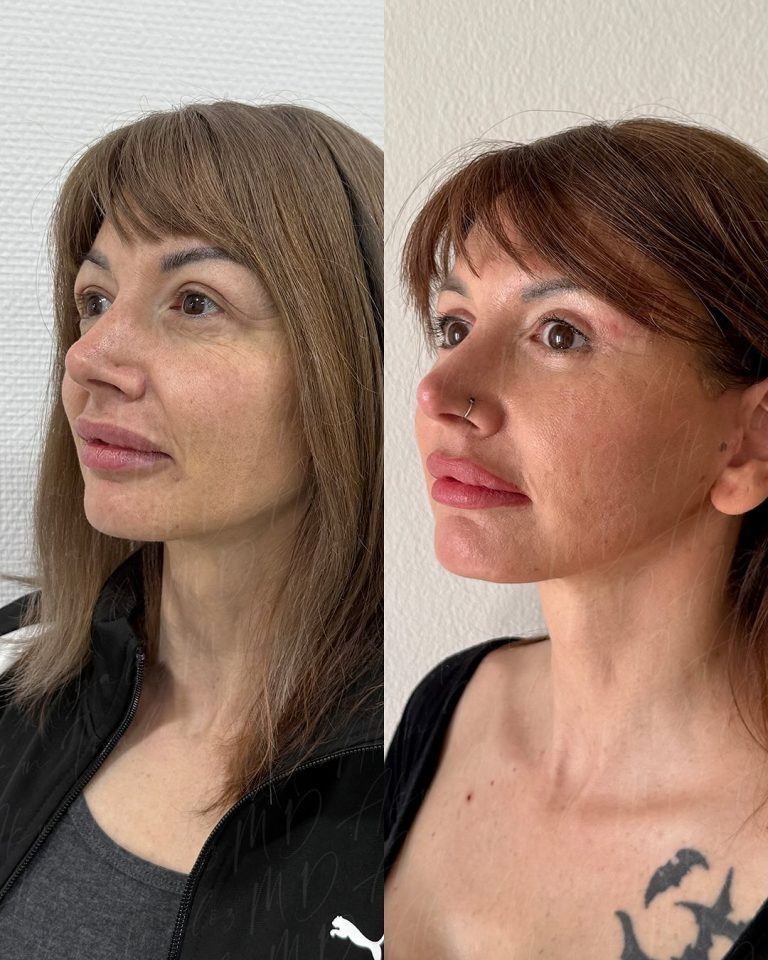
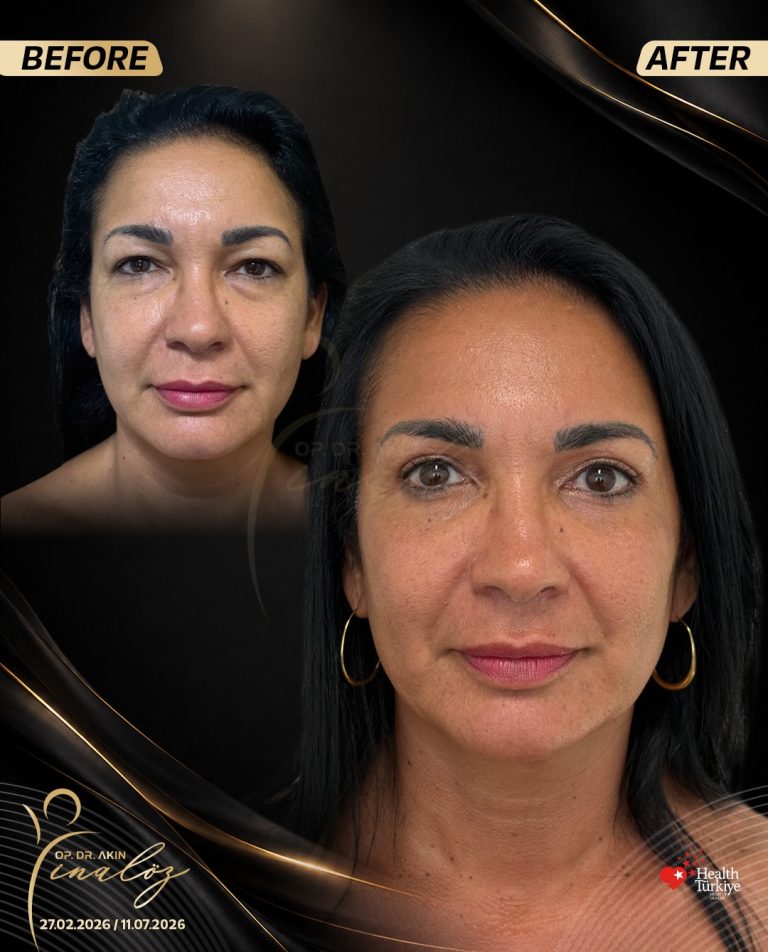
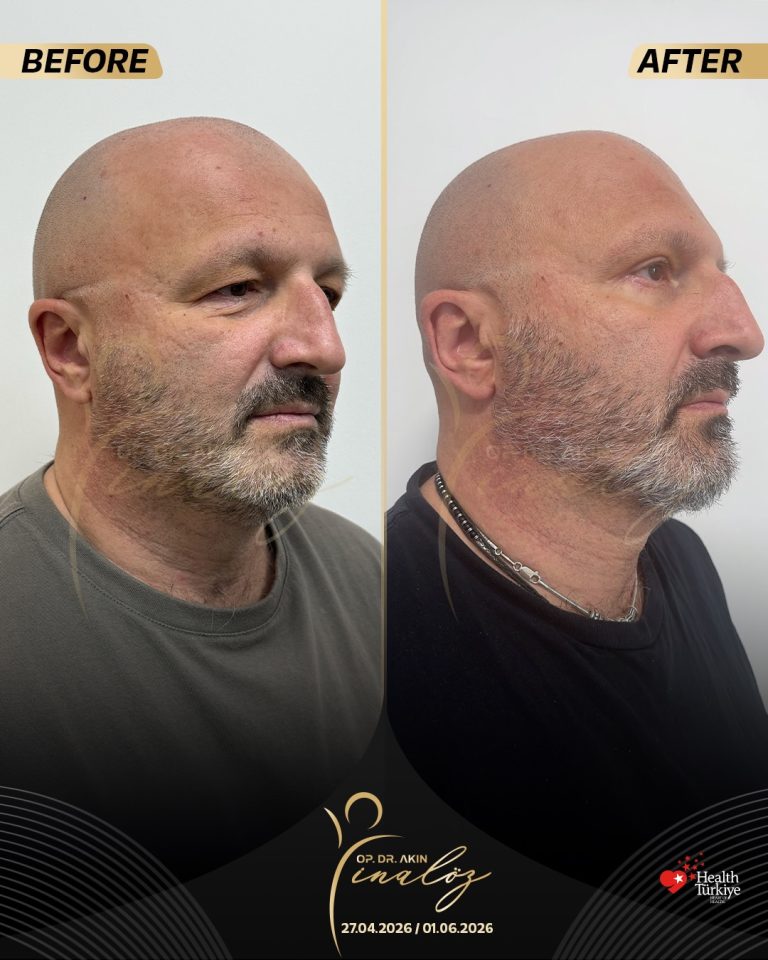
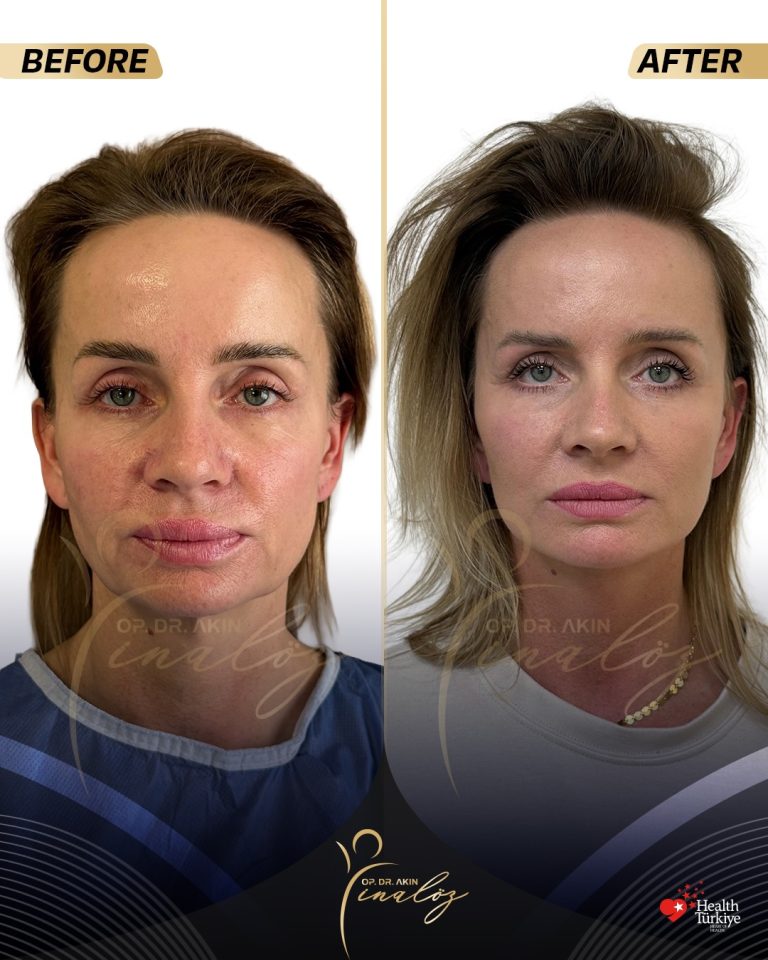
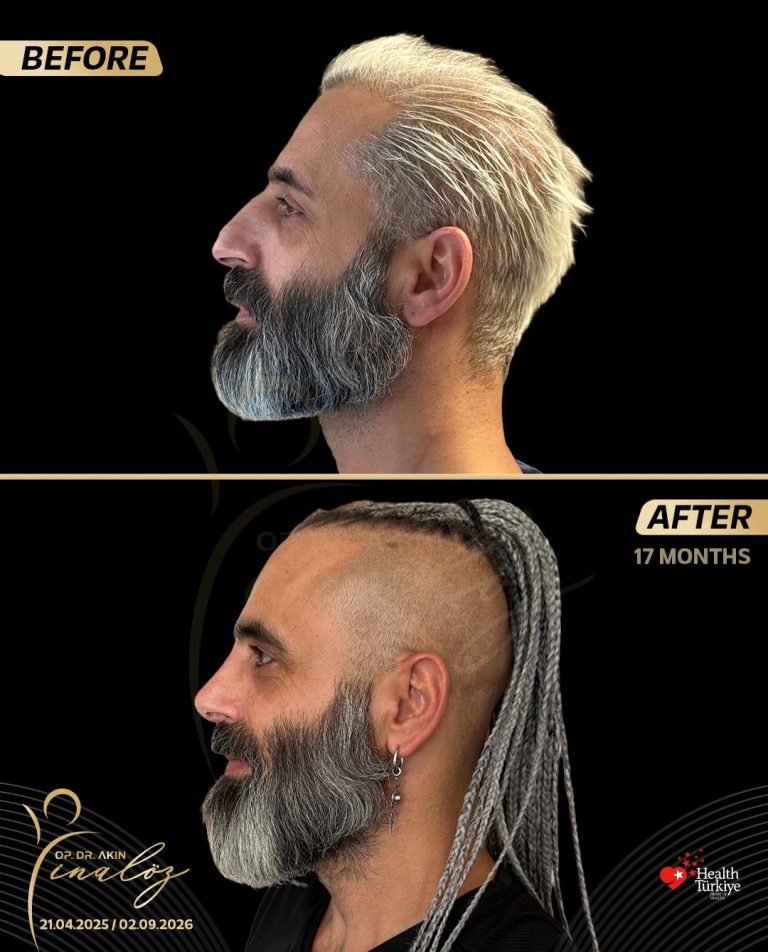
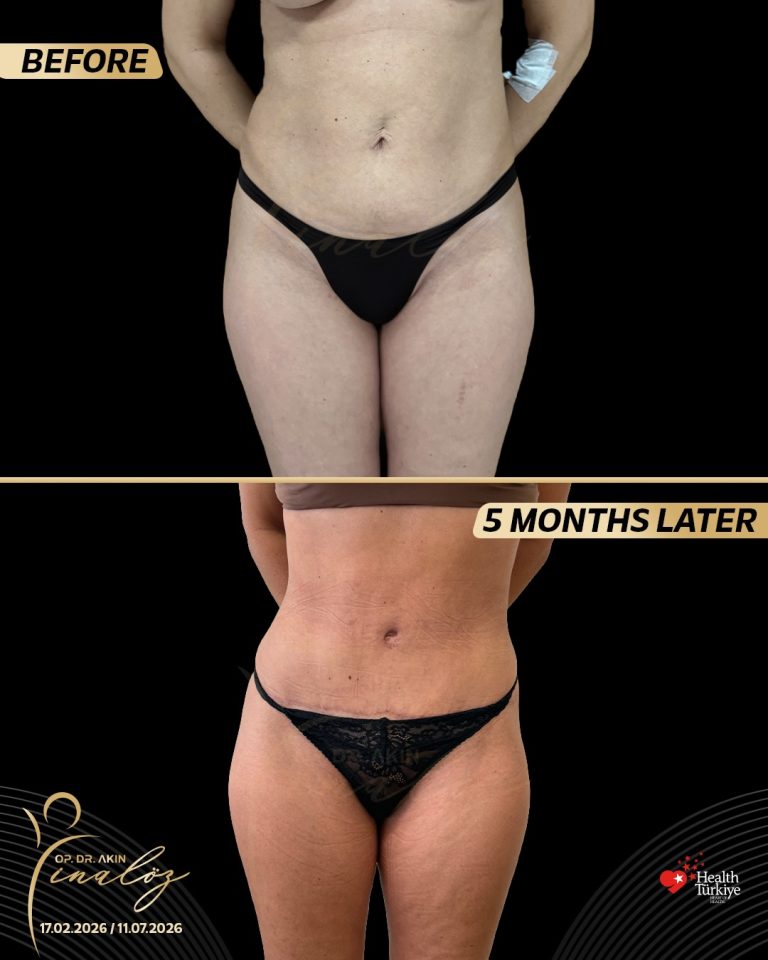
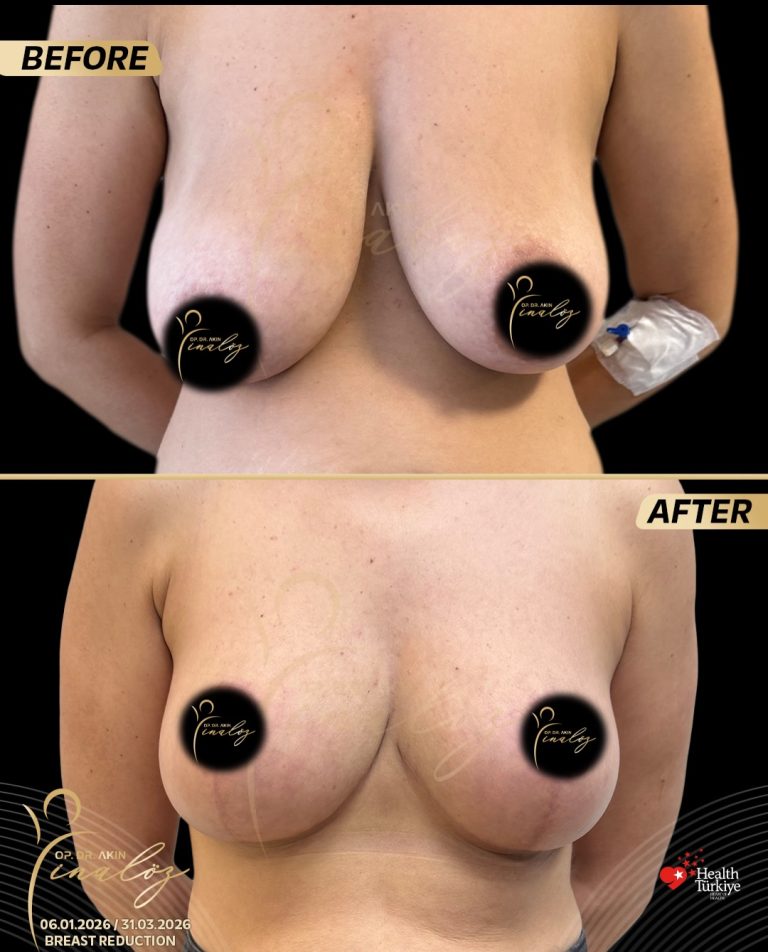
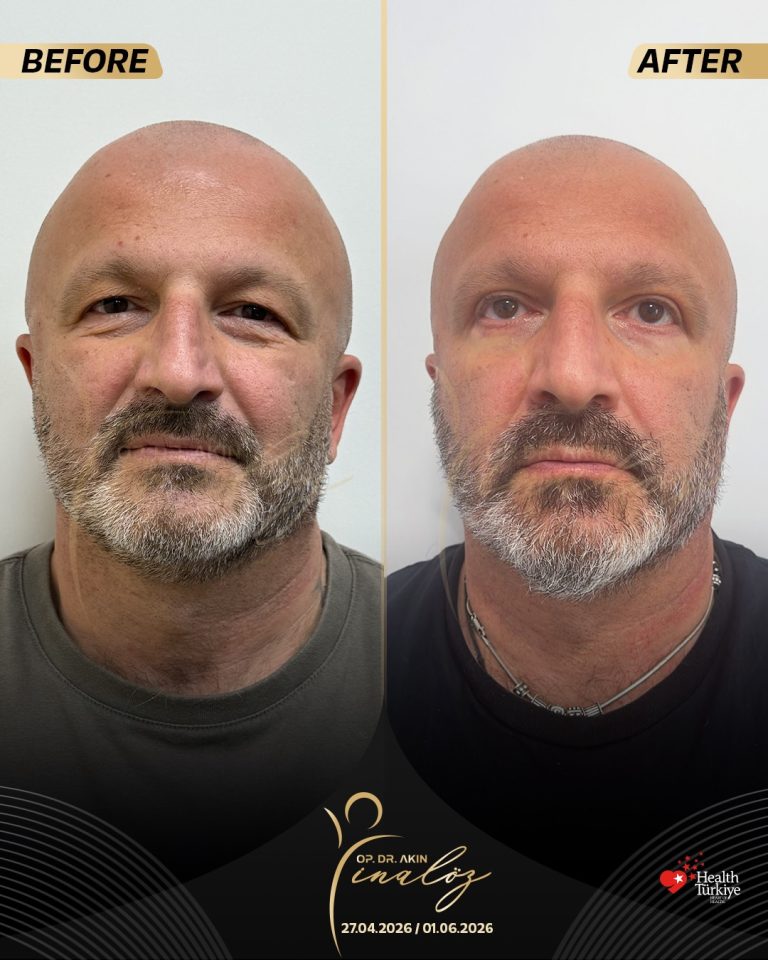
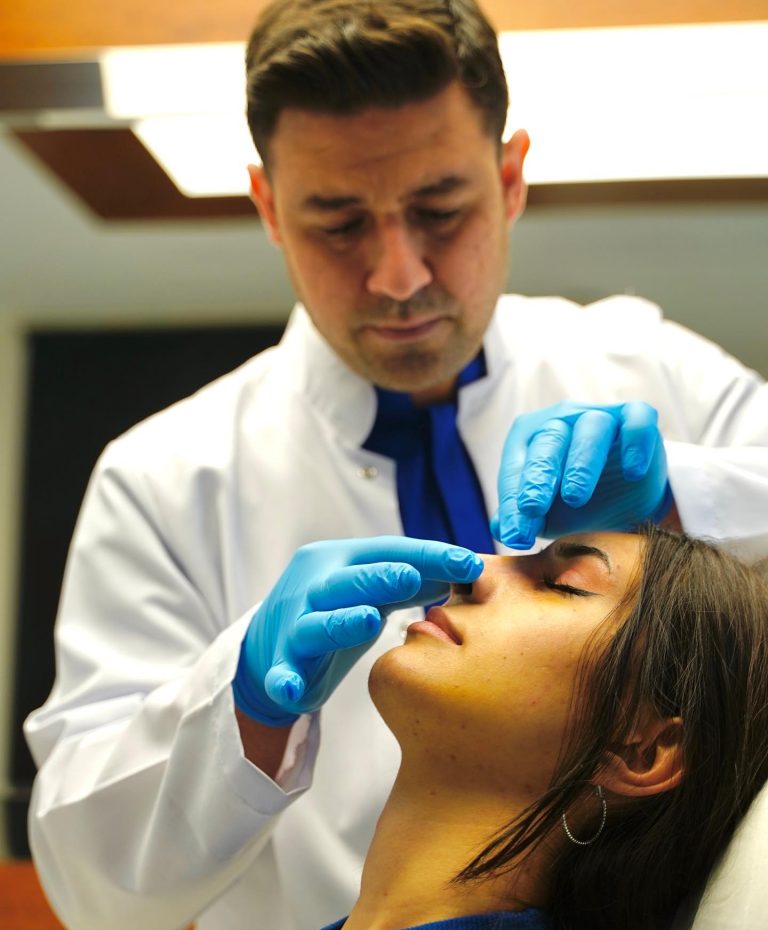
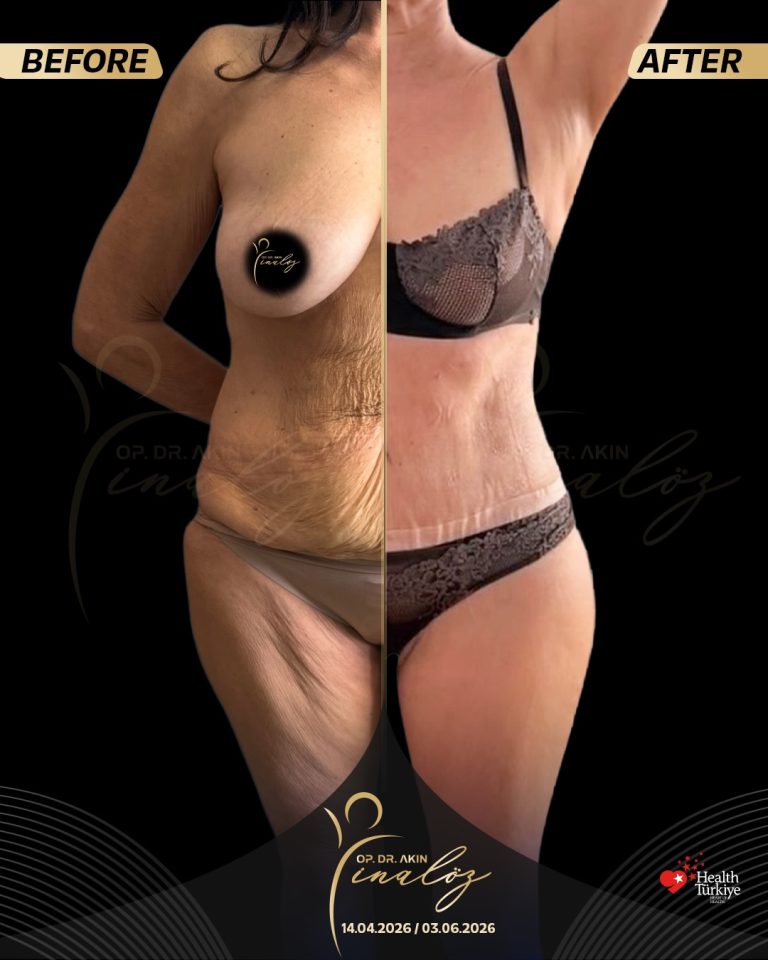
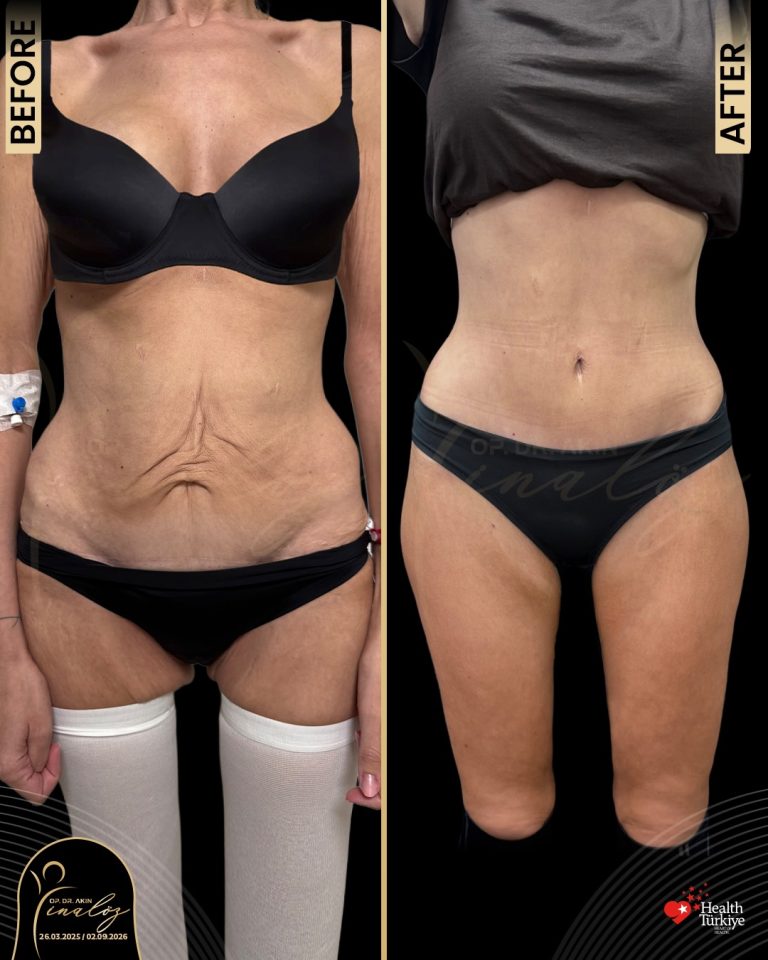
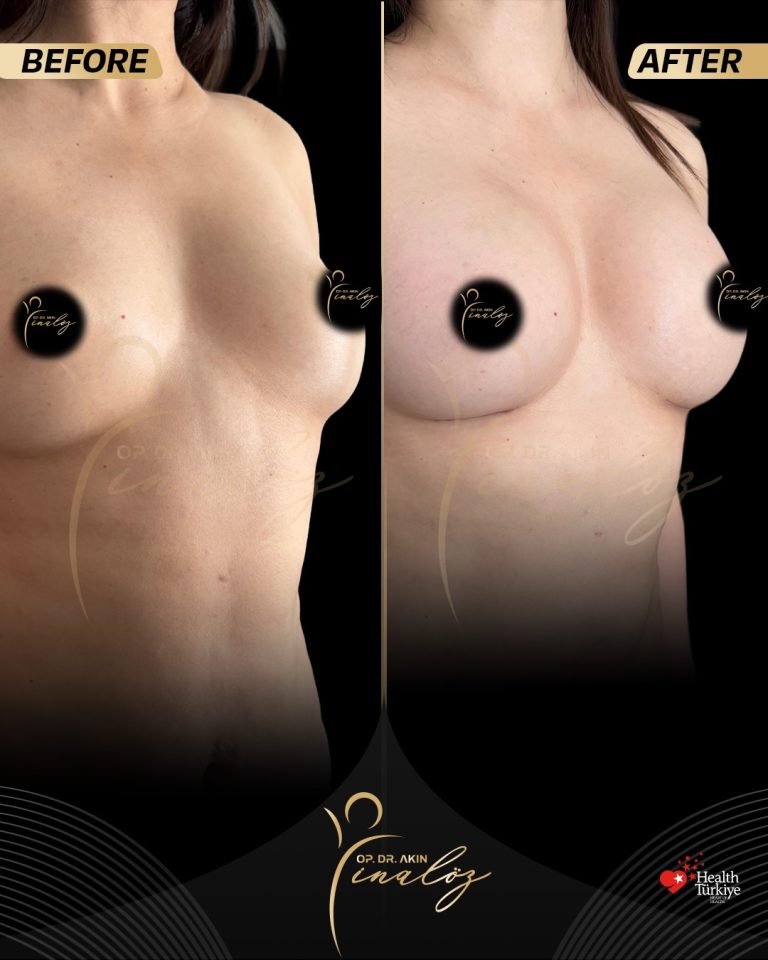
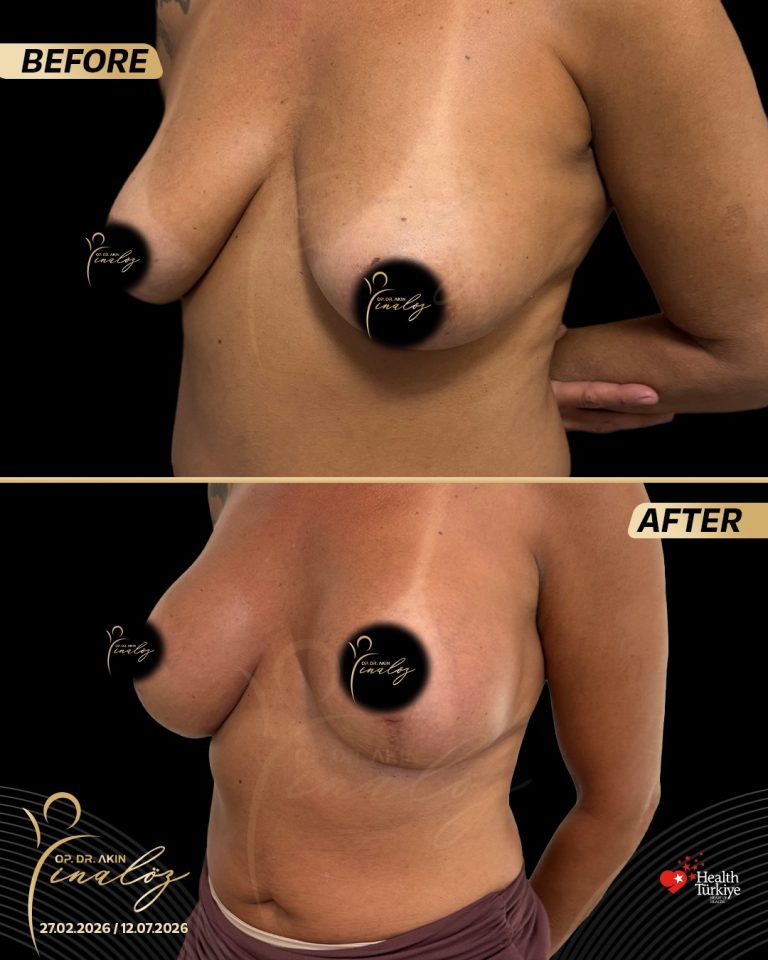
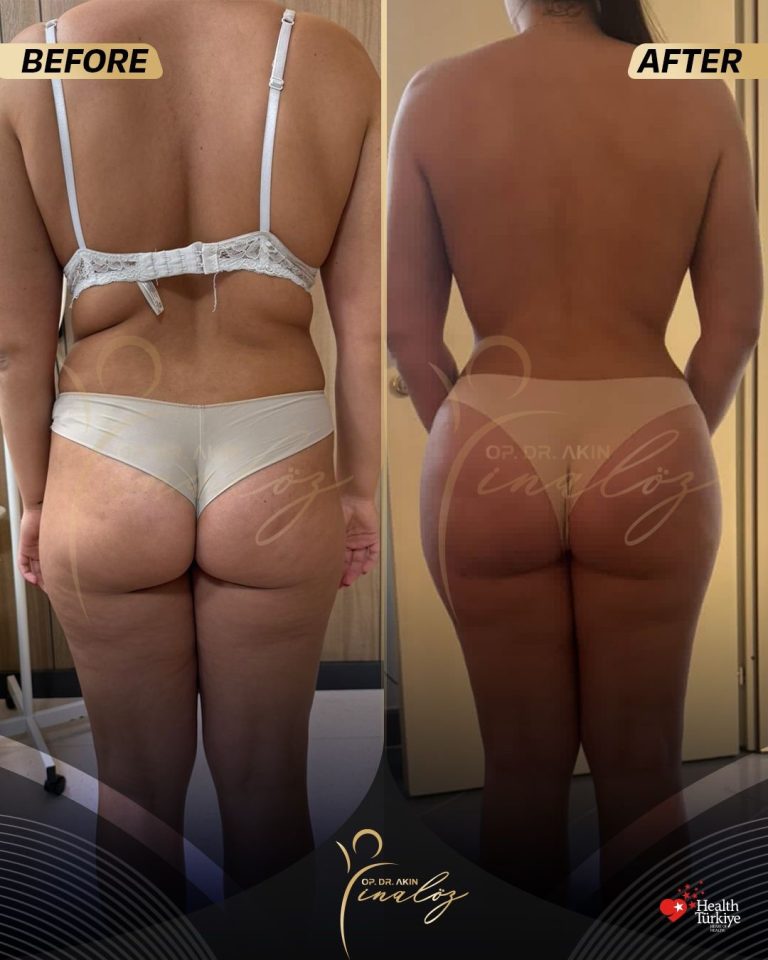
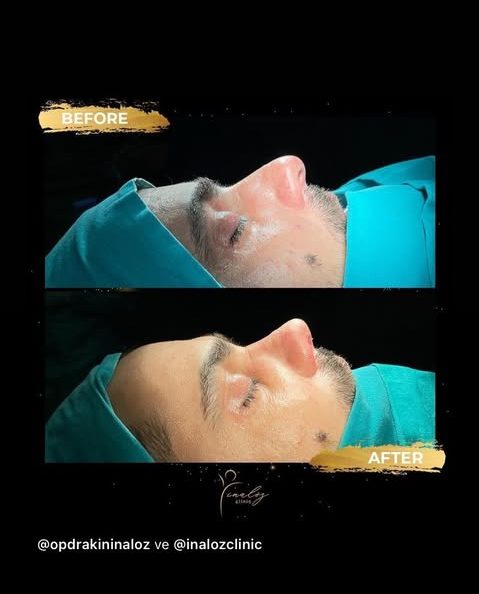
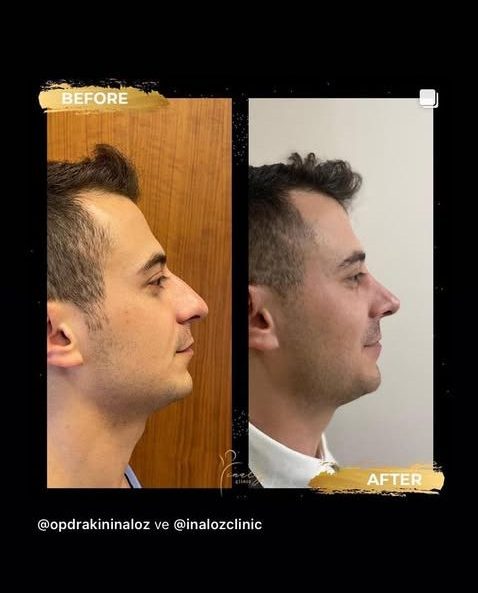
My goal is not just to perform a procedure, but to guide each patient through a safe, well-planned process toward a result that feels genuinely their own.
Results shown are of actual patients and may vary.
RELATED PROCEDURES
Considering Breast Surgery?
Contact info
- Optimist Residence, Fikirtepe, NO:10/35, 34720 Kadıköy/İstanbul
- +90 535 056 01 50
- info@akininaloz.com.tr