
- Optimist Residence, Fikirtepe, NO:10/35, 34720 Kadıköy/İstanbul
- +90 535 056 01 50
- info@akininaloz.com.tr

TREATMENT JOURNEY
Treatment Journey
Once your consultation is complete and your treatment plan is confirmed, the next stage of your journey begins: travelling to Istanbul and undergoing your procedure. This page walks through what that period typically looks like, from the moment you arrive to the hours immediately following your treatment, so you know what to expect at every point along the way. Understanding each phase in detail ensures you feel fully prepared, confident, and supported throughout your stay abroad.
Arrival in Istanbul
Most patients arrive in Istanbul a day or two before their procedure, allowing time to settle in, rest after travel, and attend any final pre-operative appointments without feeling rushed or jet-lagged on the day of surgery itself. Airport transfer arrangements are typically coordinated as part of your visit, so you’re met and taken directly to your accommodation without having to navigate an unfamiliar city on your own, particularly after a long flight.
This initial period is also an opportunity to ask any last-minute questions in person, and for the clinical team to confirm that everything discussed during your remote consultation still reflects your goals and expectations now that you’re here and able to speak face to face. It’s also a natural moment to simply get your bearings, acclimatise, and mentally prepare for the days ahead in a calm and comfortable environment.
Pre-Operative Assessment
Before your procedure, you’ll attend a pre-operative assessment, usually the day before your treatment. This is a more detailed, in-person version of your original consultation, and typically includes a physical examination, a review of your medical history, and any necessary tests to confirm you’re fit for your procedure. This step exists as an important safeguard, catching anything that may not have been fully apparent during a remote consultation and ensuring absolute safety.
This is also the point where you’ll meet Op. Dr. Akın İnalöz in person, if you haven’t already, to go through your treatment plan one final time. Any last questions or concerns can be raised here, and adjustments to your plan can be discussed if needed, based on what’s observed during your in-person assessment. Many patients find this face-to-face meeting deeply reassuring, as it confirms everything discussed remotely translates seamlessly into the plan being carried out.
Procedure Day
On the day of your procedure, you’ll arrive at the hospital or medical center where your surgery is taking place, following the strict accredited standards your treatment is carried out under. You’ll be taken through the final preparations, including any pre-operative instructions around fasting or medication that you would have been given in advance, and given the opportunity to ask anything before proceeding.
The procedure itself is carried out according to the precise plan agreed during your consultations, with patient safety and comfort prioritized throughout every single minute. Exactly what this involves depends on your specific treatment, and your surgical team will have already explained what to expect for your particular procedure during earlier stages of the process, so procedure day itself should feel like the culmination of a well-understood plan rather than an unknown experience.
It’s completely normal to feel a healthy mix of nerves and anticipation on this day. The clinical team is highly experienced in helping patients feel as calm, secure, and comfortable as possible in the lead-up to their procedure.
Immediately After the Procedure
Following your procedure, you’ll spend a period of time under close observation, the length of which depends entirely on the specific treatment you’ve had. This is a normal and vital part of the process, allowing the clinical team to monitor your initial recovery carefully and ensure everything is progressing smoothly before you move to the next stage of your stay.
During this time, you may experience some grogginess from anaesthesia, along with normal post-operative sensations depending on your procedure. The dedicated team looking after you will explain what’s normal to expect and will remain constantly on hand to answer any questions or address any concerns as they arise, however minor or trivial they might seem to you at the time.
Understanding the Clinical Team Around You
On procedure day, you’ll typically be supported by more than one person — skilled surgical staff, specialized anaesthesia professionals, and attentive nursing staff, alongside Op. Dr. Akın İnalöz himself, each with a clearly defined and vital role in your care. Knowing this in advance can be profoundly reassuring: your procedure isn’t something carried out by one person working in isolation, but by a cohesive, experienced team, each responsible for a specific part of ensuring things go smoothly and safely.
If you’d like to understand more about who will be involved in your care on the day, this is a completely reasonable thing to ask about during your pre-operative assessment, and your team will always be happy to explain the distinct roles involved.
Communicating How You’re Feeling
Throughout procedure day, you’ll be encouraged to communicate openly and honestly about how you’re feeling, whether that’s physical discomfort, anxiety, or simply needing a short moment before proceeding to the next step. Clinical teams experienced in treating international patients are thoroughly used to supporting people through exactly this kind of day, and there’s no benefit to putting on a brave face if something doesn’t feel right — speaking up openly is always the better option.
Support Throughout Your Stay
Throughout your treatment journey, from initial arrival to procedure day, you’ll have a consistent point of contact to help coordinate the practical side of your visit and to answer any non-clinical questions that come up. Communication throughout your treatment is handled smoothly in English, so language is never a barrier to understanding what’s happening at each stage or raising any concerns you might have, however detailed or seemingly minor.
This kind of continuity matters deeply. Undergoing surgery in an unfamiliar city can feel disorienting, and having consistent support — someone who already knows your case inside out and understands your plan — makes a meaningful difference to how comfortable and informed you feel throughout, particularly during moments that might otherwise feel stressful.
The Role of Your Coordinator
Alongside your clinical team, many patients also have a dedicated coordinator whose role is purely practical: helping arrange airport transfers, confirming appointment times, translating where needed, and generally making sure the logistical side of your visit runs without a hitch. This means you’re never expected to navigate an unfamiliar hospital system or a bustling city entirely on your own, and that any non-clinical question — from where to find a reliable pharmacy to how to adjust an appointment schedule — has somewhere reliable to go.
Having this kind of structured support in place tends to make an enormous difference to how the whole experience feels. Surgery is challenging enough without also having to manage every practical detail of a trip abroad by yourself, and this is precisely the gap a coordinator is there to fill.
What Patients Often Say About This Stage
Patients frequently describe the treatment journey stage as feeling far more structured, organized, and calmer than they expected beforehand. Much of the anxiety people carry into this part of the process stems from uncertainty — not knowing exactly what a day will involve, or worrying about potential miscommunication in an unfamiliar setting. Having each stage explained clearly in advance, and having consistent support throughout, tends to replace that uncertainty with a deep sense that the process is being handled properly, step by step.
It’s also common for patients to say that meeting their surgeon in person, after weeks of remote consultation, brings an immense sense of reassurance that the plan they discussed remotely is genuinely being carried through with the exact same care and attention.
If You’re Travelling Alone
Many UK patients travel to Istanbul without a companion, and the entire process is thoughtfully designed to support this independently and comfortably. From your initial airport transfer to clinic appointments and procedure day itself, you’re closely accompanied and supported by your clinical and coordination team throughout, so travelling alone doesn’t mean navigating any part of this stage without help.
That said, if you know in advance that you’d feel emotionally or physically more comfortable with someone by your side, it’s worth planning for a companion to join you, at least for the days immediately surrounding your procedure. Either approach is entirely workable and well-supported — what matters most is choosing whichever option feels right for you.
A Realistic Picture of Procedure Day
It’s natural to build up procedure day in your mind in the weeks beforehand, sometimes imagining it as far more daunting than it turns out to be in practice. Most patients describe the day itself as calmer, more orderly, and more procedural than anticipated, largely because each step has already been explained to them well in advance, leaving very little room for the unknown to create unnecessary anxiety.
Having a clear sense, well in advance, of roughly how the day will unfold — arrival, final preparation, the procedure itself, and initial recovery — tends to replace apprehension with a steady sense of readiness by the time the day actually arrives.
Keeping Family Back Home Updated
Many patients like to keep a close family member or friend back home updated during their stay, particularly around procedure day itself. If this matters to you, it’s worth planning in advance how you’ll do this — whether that’s sending a quick message once you’re comfortably settled after your procedure, or asking someone travelling with you to update people on your behalf while you rest. Having this small piece of communication thoughtfully planned removes one more thing to think about during a day that already involves a great deal of focus.
What Comes Next
Once your procedure is successfully complete, your focus shifts naturally to recovery. The days that follow are an essential part of your overall outcome, structured meticulously to give you the time, rest, and expert supervision you need before you are cleared to travel home safely.

Op. Dr. Akın İnalöz
Plastic & aesthetic surgeon, Kadıköy, Istanbul
Quick Enquiry





Travelling from the UK for surgery?
See how the consultation, treatment and recovery process works, start to finish.
Op. Dr. Akın İnalöz
Natural Aesthetic Evolutions
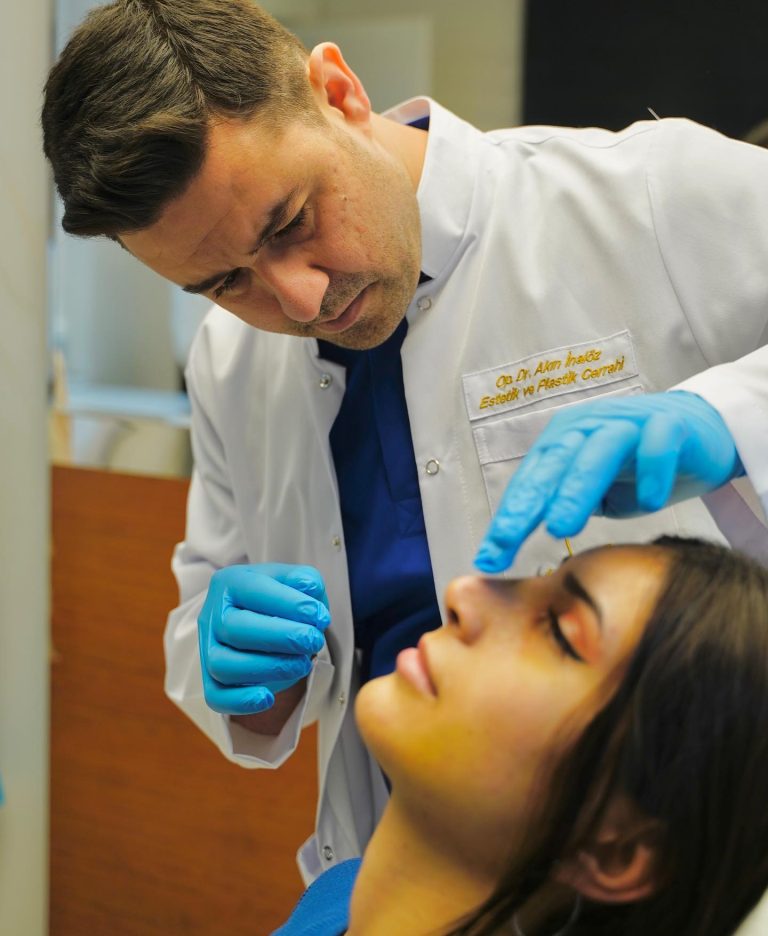
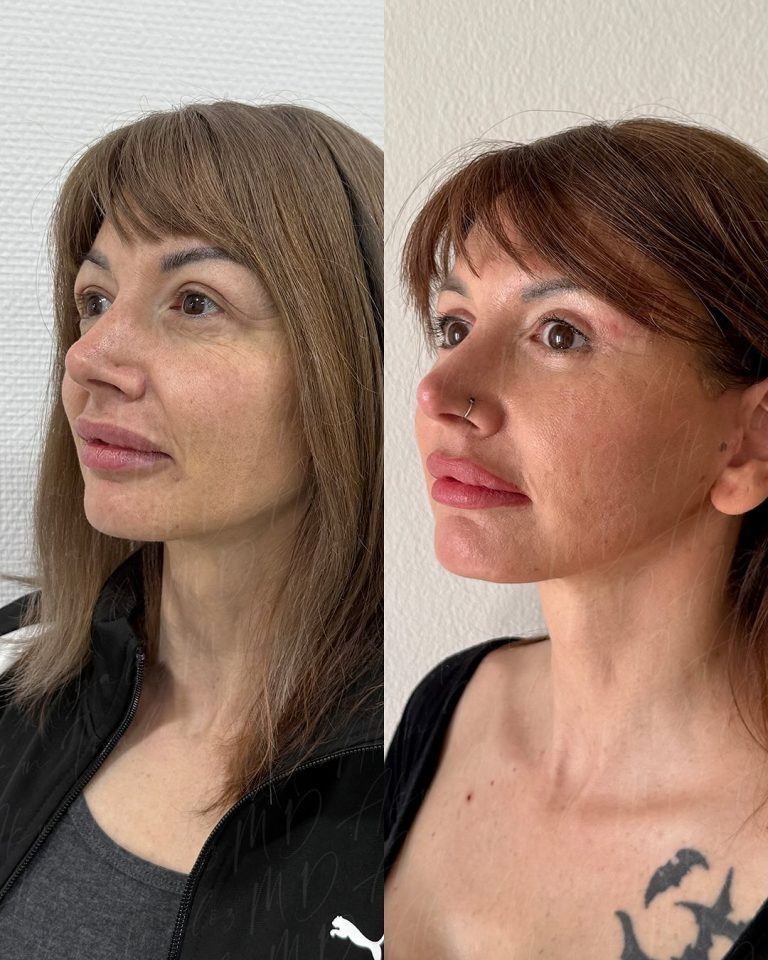
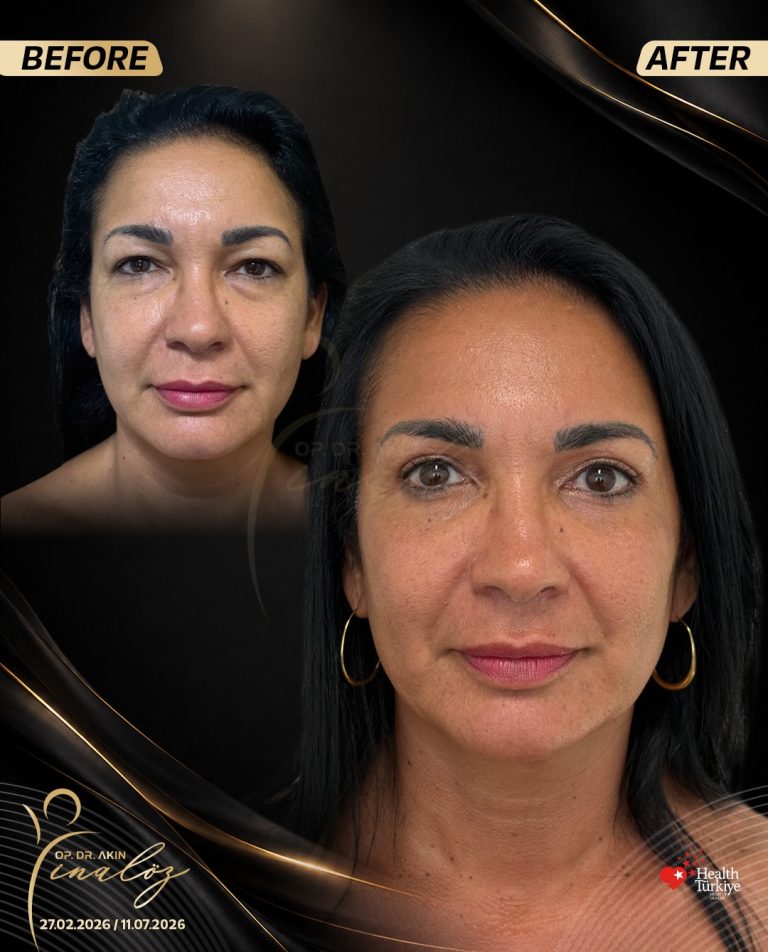
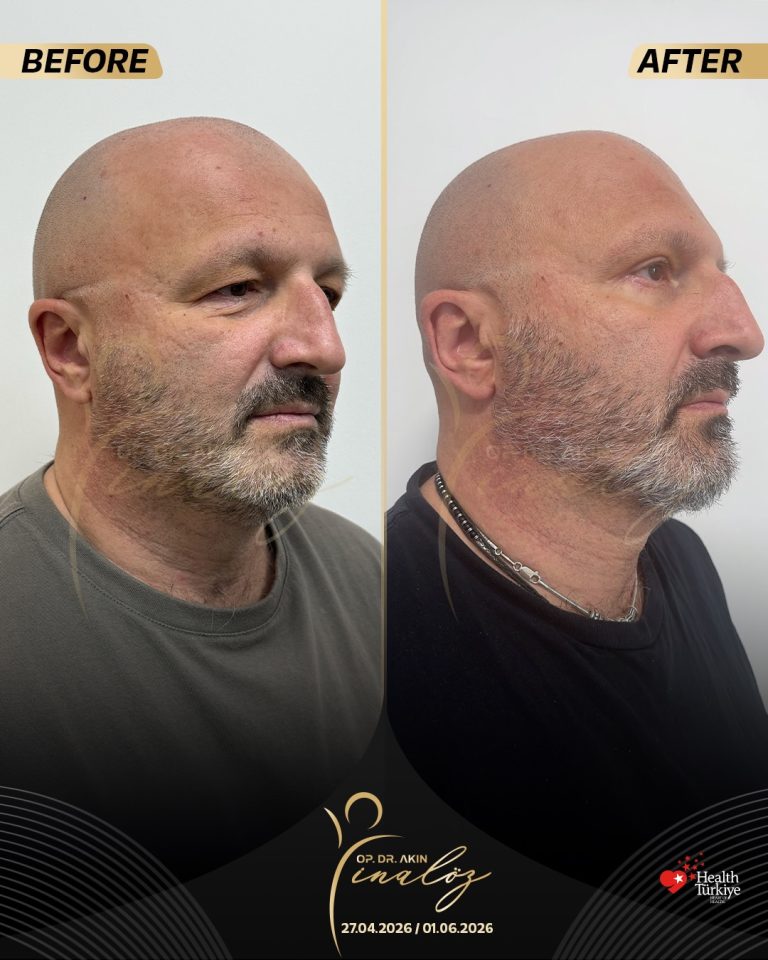
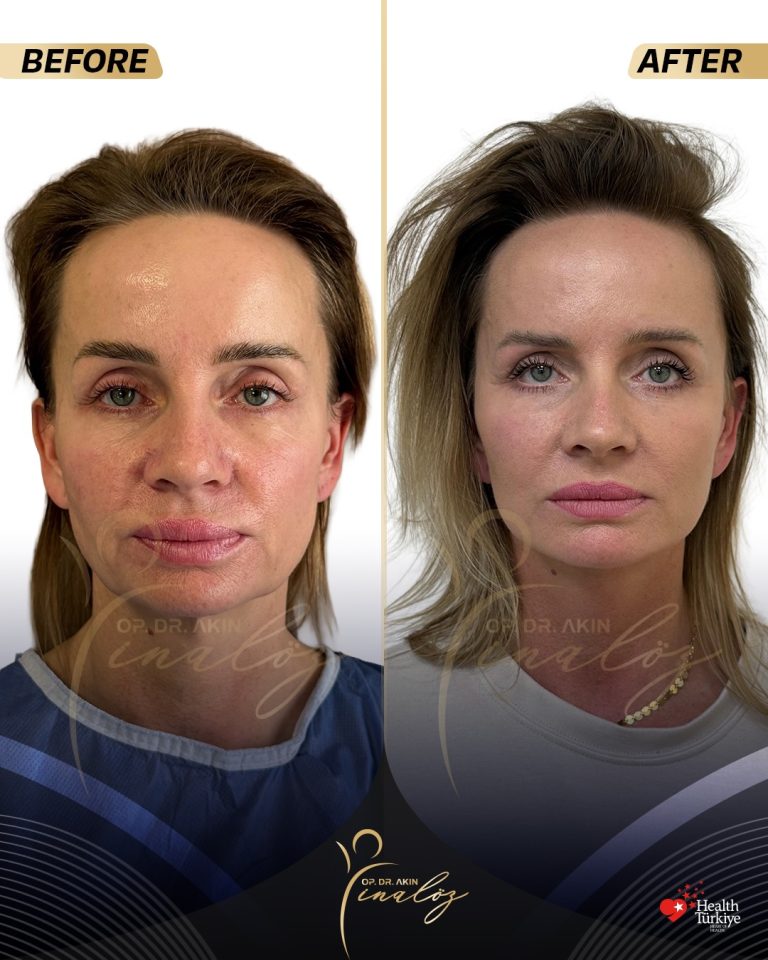
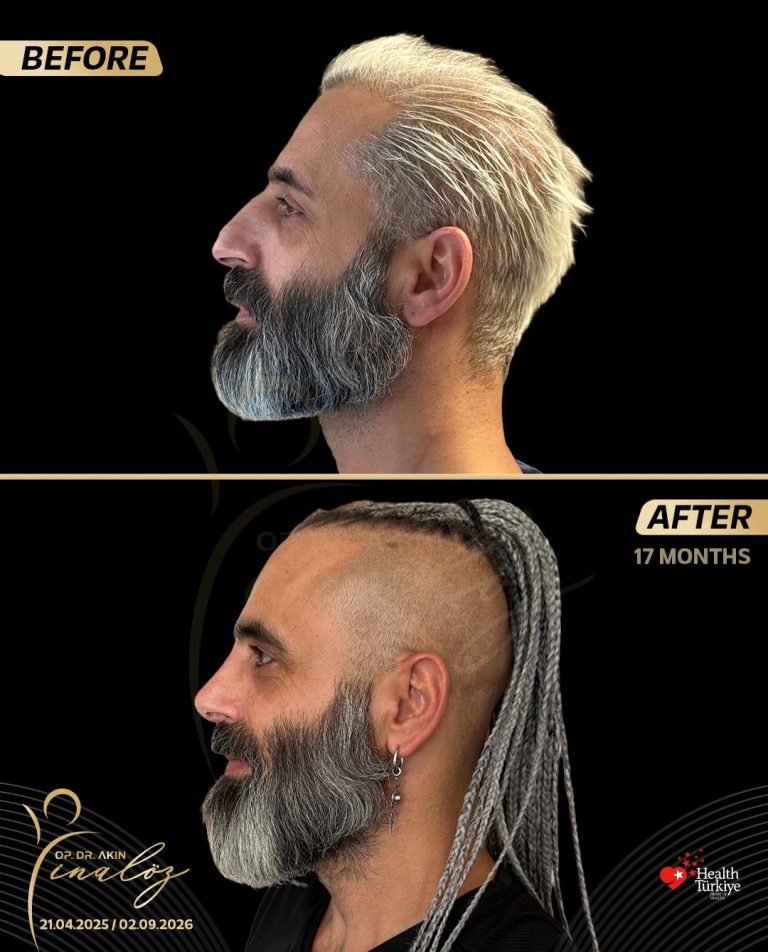
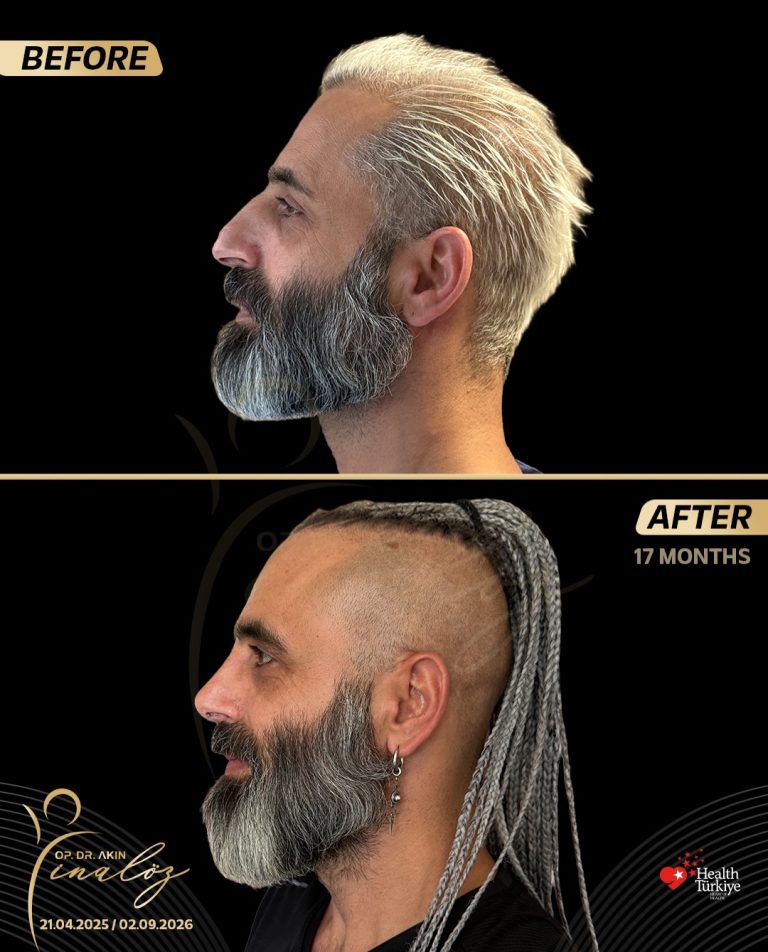
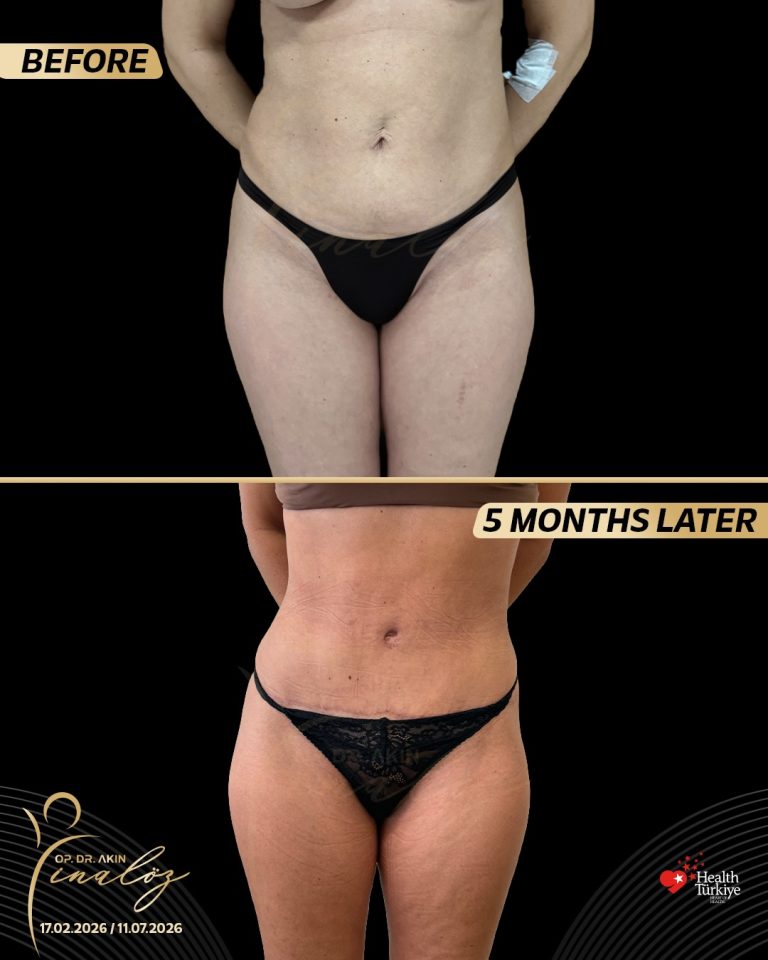
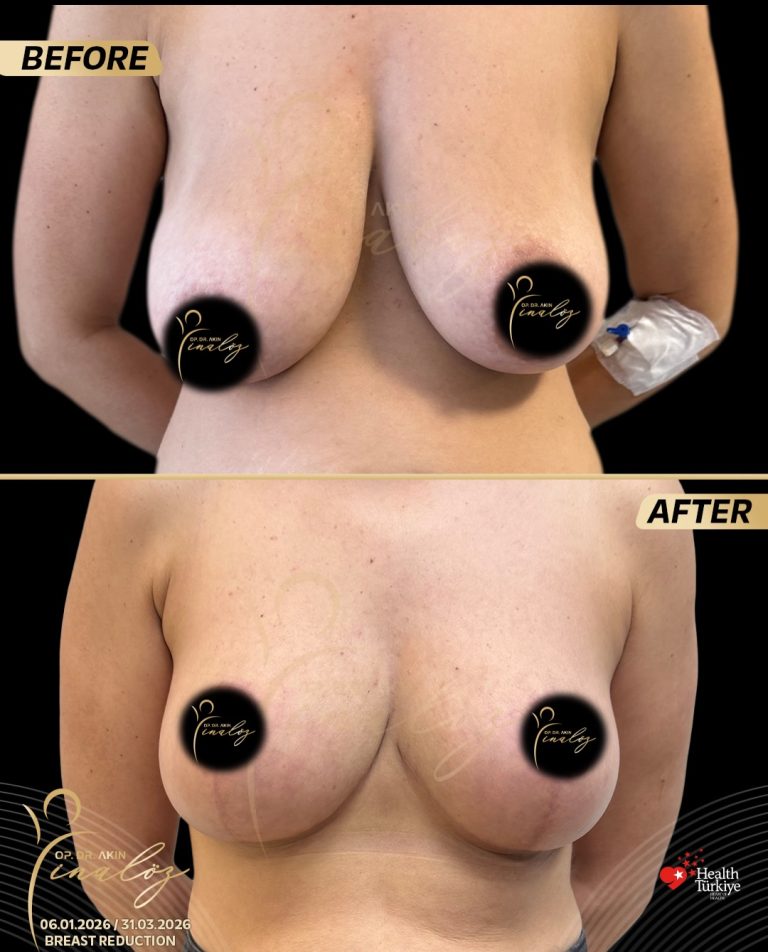
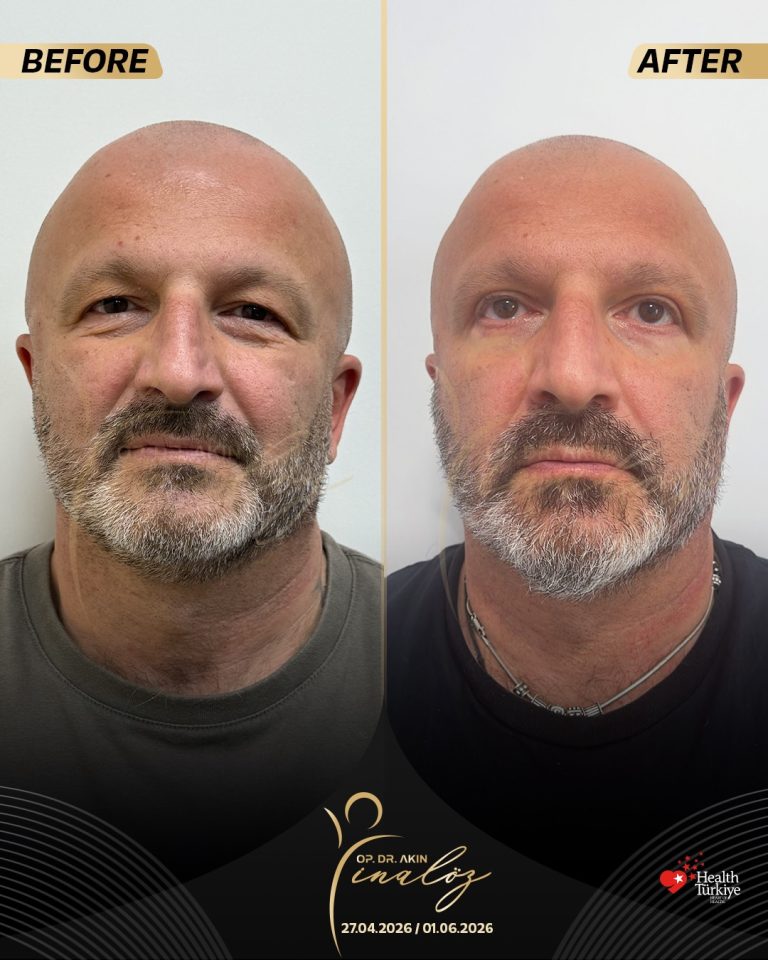
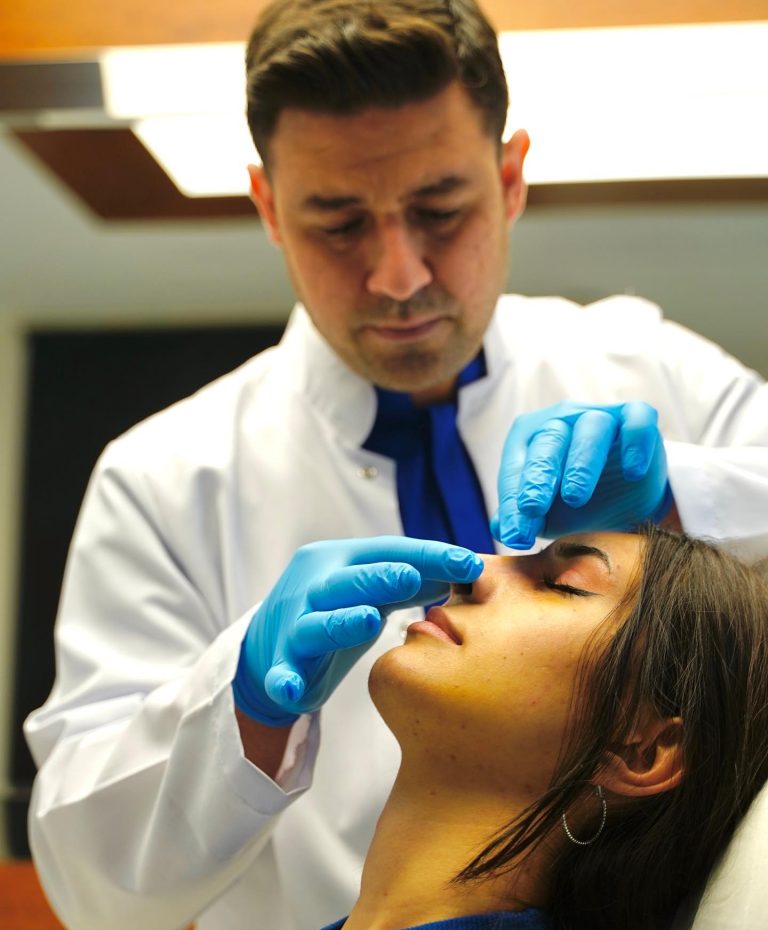
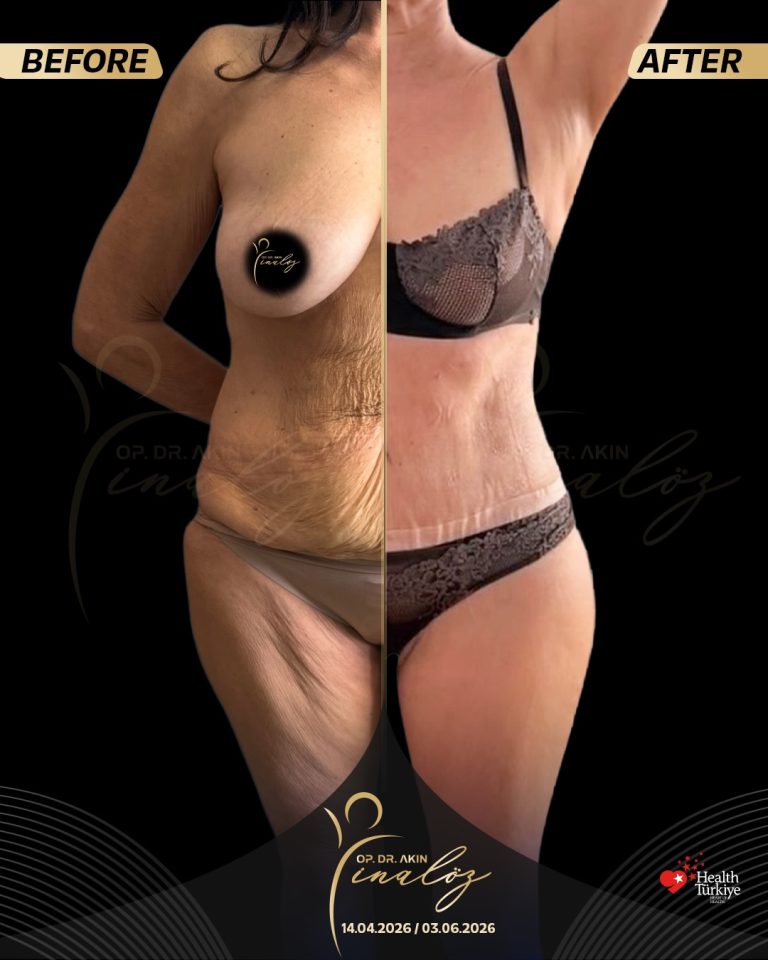
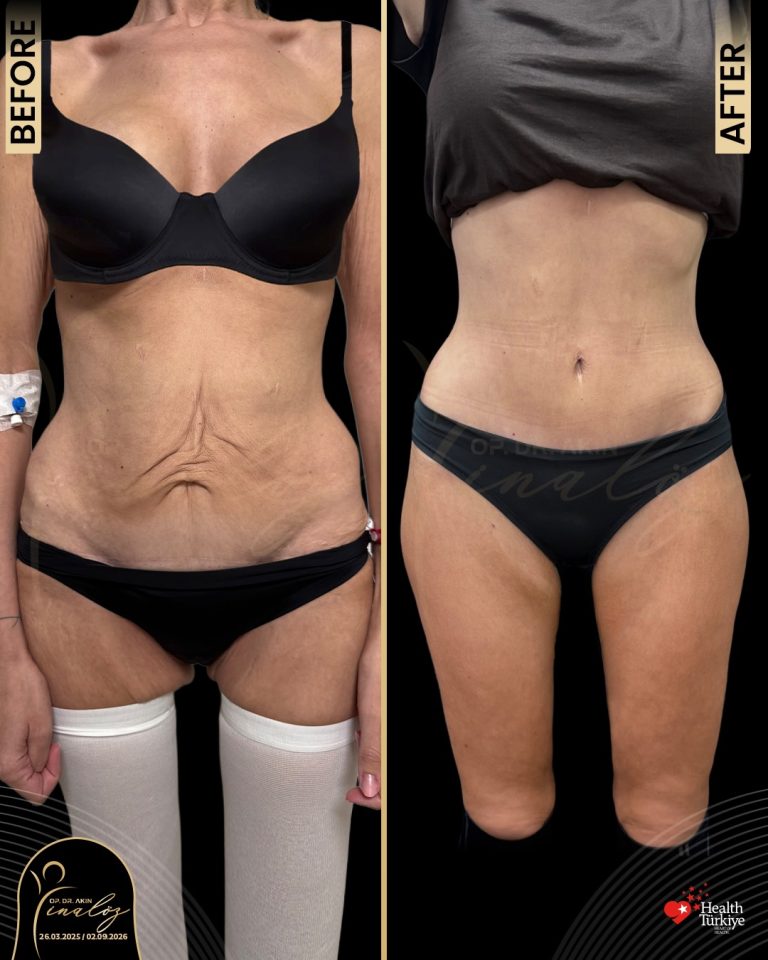
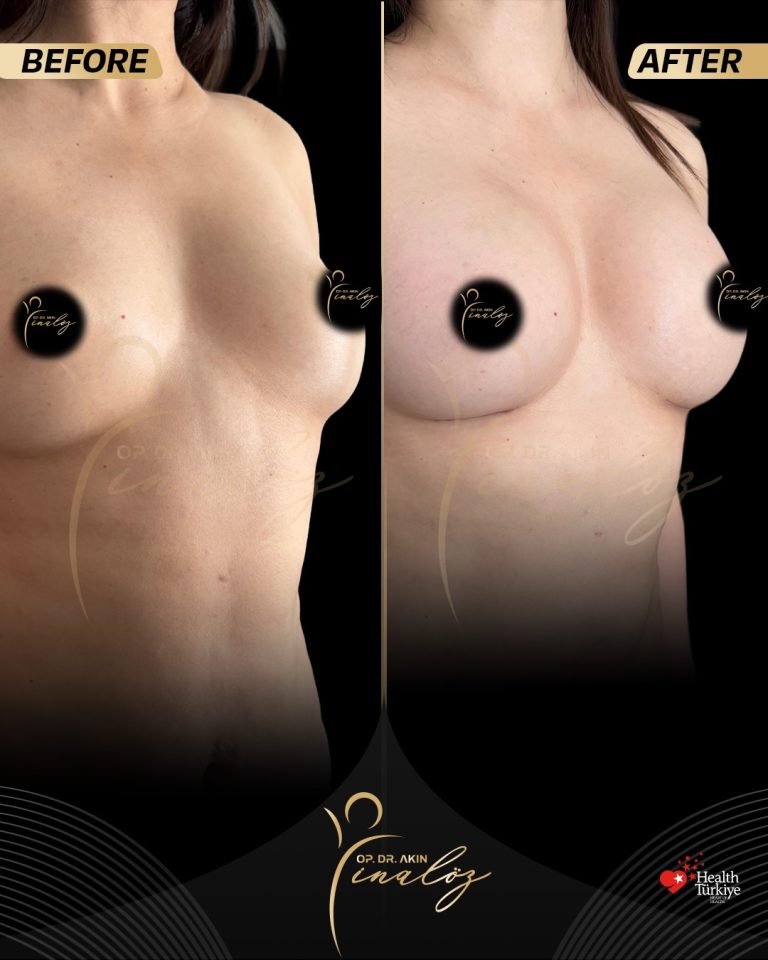
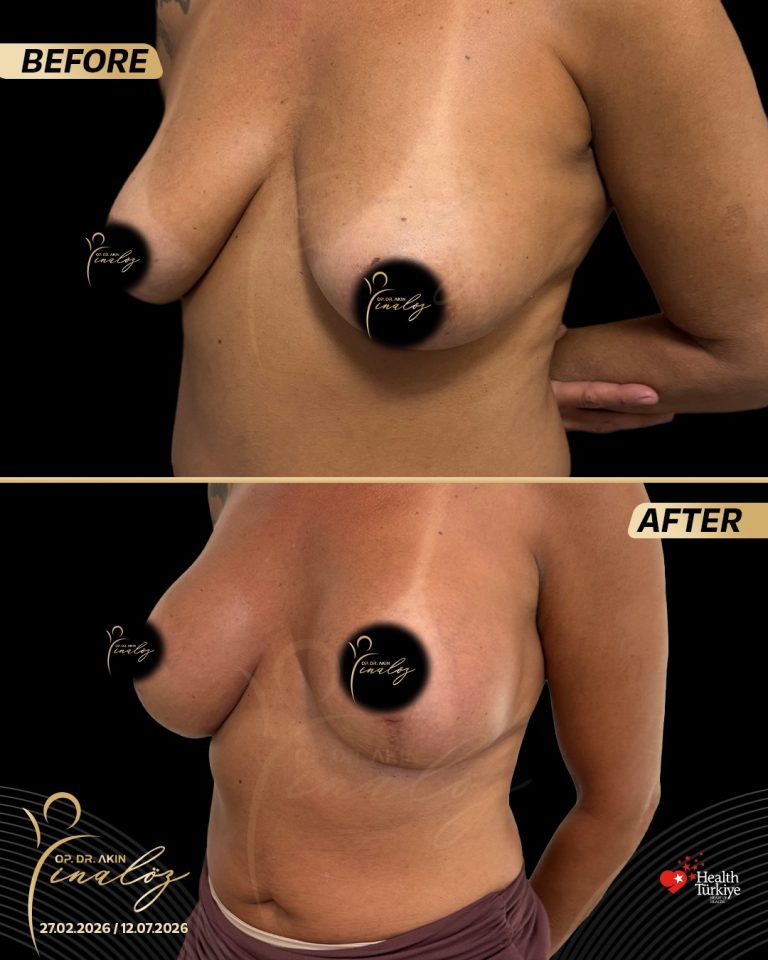

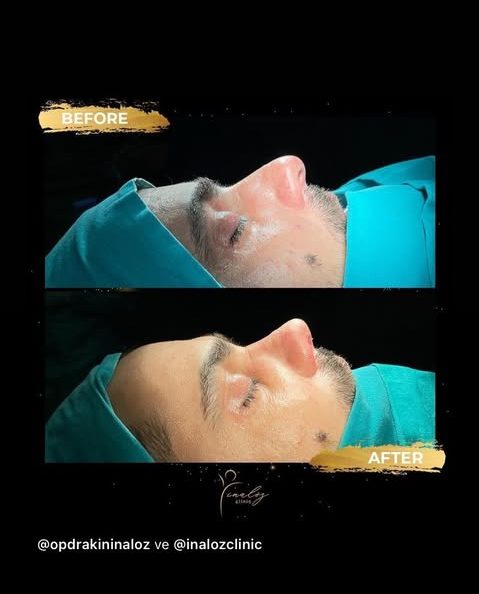
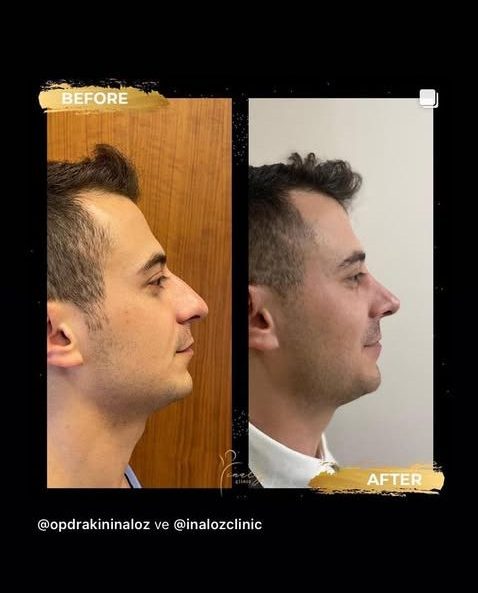
My goal is not just to perform a procedure, but to guide each patient through a safe, well-planned process toward a result that feels genuinely their own.
Results shown are of actual patients and may vary.
RELATED PROCEDURES
Considering Aesthetic Surgery?
Contact info
- Optimist Residence, Fikirtepe, NO:10/35, 34720 Kadıköy/İstanbul
- +90 535 056 01 50
- info@akininaloz.com.tr