
- Optimist Residence, Fikirtepe, NO:10/35, 34720 Kadıköy/İstanbul
- +90 535 056 01 50
- info@akininaloz.com.tr

RECOVERY IN İSTANBUL
Recovery in Istanbul
The period immediately after your procedure is just as important as the surgery itself. Before you’re cleared to fly home, you’ll spend time recovering in Istanbul under close supervision, allowing your body to begin the healing process safely and giving the clinical team the opportunity to monitor your progress meticulously. This page explains what that time typically involves in detail, so you can plan, prepare, and approach your post-operative days with complete confidence and peace of mind.
How Long You’ll Stay
The length of time you’ll need to remain in Istanbul after your procedure varies depending entirely on the specific treatment you’ve had, and this will be discussed with you clearly during your consultation and treatment planning phase, ensuring there are no unexpected surprises once you arrive. Some procedures involve a shorter recovery window before international travel is possible, while others require a longer, more extended period of observation. Your specific timeline will be confirmed precisely as part of your tailored treatment plan, based strictly on what’s appropriate for your individual case rather than a rigid number applied indiscriminately to everyone regardless of what they’ve had done.
We would always recommend building a small, sensible amount of flexibility into your travel plans where possible, rather than booking a return flight for the earliest theoretically possible date. Recovery doesn’t always follow a perfectly predictable timeline, and having a little breathing room reduces unnecessary logistical pressure on you.
Follow-Up Checks While You’re in Istanbul
During your recovery period, you’ll attend scheduled follow-up appointments with your clinical team to check on your healing progress, address any discomfort professionally, and ensure everything is progressing exactly as expected. Depending on your specific procedure, this might include dressing changes, professional wound checks, or simply a thorough conversation about how you’re feeling and what you should realistically expect in the days ahead.
These check-ins serve as a vital safeguard. They allow any minor concerns to be caught and managed early, while you’re still in close proximity to your surgical team, rather than after you’ve already returned home when any issue might require more complex attention. They are also a wonderful opportunity to ask questions that may only have occurred to you once you had time to sit quietly with your experience.
What You Can and Can’t Do During This Period
Recovery immediately after surgery generally involves a structured period of rest and reduced activity, the exact specifics of which depend entirely on your procedure. You’ll be given clear, personalized guidance on what specific movements, physical activities, or sleeping positions to avoid, and for how long, as well as practical advice on things like showering, personal care, and daily routines during this early stage.
It’s worth being entirely honest with yourself about this period before you travel: recovery is certainly not the time to sightsee extensively, explore the city, or treat your trip as a traditional holiday. Following the guidance you’re given, even when you start to feel better much sooner than expected, plays a profound role in how smoothly your overall recovery progresses. It can be tempting to push yourself once initial discomfort eases, but the instructions provided exist for good clinical reason, and it’s well worth respecting them fully.
Staying in Touch With Home During Recovery
Many patients find it remarkably grounding to stay in regular contact with close family or friends back in the UK during their recovery days, even if only briefly. A short video call or reassuring message can help the days feel far less isolating, particularly if you’re recovering without a companion by your side. Having reliable access to high-speed WiFi at your accommodation is well worth confirming in advance precisely for this reason.
Practical Day-to-Day Logistics
Beyond the clinical side of recovery, there are small practical matters worth thinking about ahead of time: arranging local transport for follow-up appointments, having easy access to any food or supplies you might specifically want or need during this period, and knowing how to reach your coordinator quickly if a practical question arises outside of a scheduled appointment. None of this needs to be overly complicated, but having it thought through beforehand removes unnecessary stress from days that should be dedicated entirely to resting and healing.
Comfort and Support During Recovery
Where you stay during your recovery period matters far more than many patients initially expect. Many patients choose accommodation that prioritizes comfort, peace, and quiet over sheer convenience or central location, given that the early days after a procedure are generally spent resting quietly rather than exploring outdoors. Your clinical team can offer trusted guidance on suitable accommodation options that cater specifically to patients recovering from surgery, if this is something you’d like support with, including practical considerations like close proximity to the clinic.
Throughout this period, you’ll continue to have direct access to your point of contact for any questions or concerns, whether clinical or practical in nature, so you’re never navigating this stage without support — even something as simple as arranging comfortable food delivery, local transport, or a quiet space to rest can be seamlessly coordinated through your point of contact if needed.
Emotional Adjustment During Recovery
It’s worth acknowledging openly that the early days of recovery aren’t purely physical. Swelling, bruising, and general physical discomfort are a completely normal and expected part of the healing process, but they can sometimes feel disheartening if you’re not fully prepared for them, particularly before you’ve had the chance to see how your final results begin to settle. This emotional response is entirely normal, and your clinical team will help you understand what to expect at each stage, so any worries you have can be addressed rather than left to cause unnecessary anxiety.
Nutrition and Rest During Recovery
Simple, practical factors like eating well and staying properly hydrated play a meaningful role in how well you feel during recovery, even though they’re easy to overlook amid everything else going on. Your clinical team may offer general guidance on nutrition depending on your procedure, but as a general principle, gentle, nourishing meals and consistent hydration tend to support the body’s natural healing process far better than skipping meals due to a temporary lack of appetite or mild discomfort.
Sleep is equally important, even though certain procedures may require you to sleep in a particular elevated position for a period of time, which can initially feel unfamiliar or awkward. If you know in advance that a specific sleeping position will be required, it can help to practise this, or arrange supportive pillows, before you travel, so it feels far less disruptive once you’re actually recovering in your room.
If You Experience Anxiety During Recovery
It’s not unusual for some patients to experience a temporary dip in mood or a sense of heightened anxiety during the early recovery period, particularly if swelling or bruising looks more pronounced than expected, even when this is entirely normal for the specific stage you’re at. Being told in advance that this is common doesn’t always make it feel less real in the moment, and that’s completely understandable.
If this happens to you, know that it’s a widely recognized and normal part of many patients’ experience, and one that your clinical team will have witnessed and supported many times before. Raising it openly, rather than sitting with it privately, often helps immensely — both because it allows the team to reassure you with sound clinical context, and because voicing a worry out loud often makes it feel instantly more manageable.
When You’re Cleared to Fly
Before you travel home, your clinical team will thoroughly assess whether you’re fit to fly, taking into account your specific procedure, how your individual recovery is progressing, and general medical guidance around air travel after surgery. This is never treated as a mere formality — it’s a genuine clinical evaluation to help ensure your journey home is as safe, smooth, and comfortable as possible.
If for any reason more time is needed before you’re ready to travel, this will be discussed with you openly and transparently, with your health and wellbeing prioritized above any fixed schedule. It’s always infinitely better to extend a recovery period slightly than to travel before you’re genuinely ready, and this possibility is something we’d rather you plan for mentally than be caught off guard by.
Making the Most of Your Recovery Time
While recovery is certainly not the time for sightseeing or a packed itinerary, many patients find that having a few quiet, low-effort activities planned — reading a good book, watching something familiar, or staying in touch with family back home — helps the days feel less monotonous without ever compromising essential rest. Building in some gentle structure to otherwise unstructured days can make a genuine difference to how this period feels emotionally, not just physically.
It’s also worth discussing with your clinical team, during your initial consultation, roughly what daily life during recovery is likely to look like for your specific procedure. Knowing in advance whether you’ll be largely resting in your accommodation, attending regular check-up appointments, or somewhere in between helps you arrive with realistic expectations rather than uncertain assumptions.
Travelling With a Companion
Many patients choose to bring a trusted friend or family member with them for this stage of the trip, both for practical support and for comforting company during what can otherwise be a quiet and introspective few days. If you’re considering this, it’s worth planning their role in advance — whether that’s simply keeping you company, helping with day-to-day practicalities, or being available at appointments if you’d like a second person present to listen to information shared by your clinical team.
Not every patient chooses to bring a companion, and travelling alone is entirely manageable given the comprehensive level of support already built into the process — but for those who prefer not to be alone during recovery, this is a common, comforting, and easily accommodated choice.
Preparing for the Journey Home
Once you’ve been thoroughly cleared to fly by your specialist, the final stage of your time in Istanbul involves preparing carefully for your return to the UK. This includes receiving practical guidance on travelling comfortably after surgery, as well as understanding what to expect once you’re back home and transitioning back into your normal daily routines.

Op. Dr. Akın İnalöz
Plastic & aesthetic surgeon, Kadıköy, Istanbul
Quick Enquiry



Travelling from the UK for surgery?
See how the consultation, treatment and recovery process works, start to finish.
Op. Dr. Akın İnalöz
Natural Aesthetic Evolutions
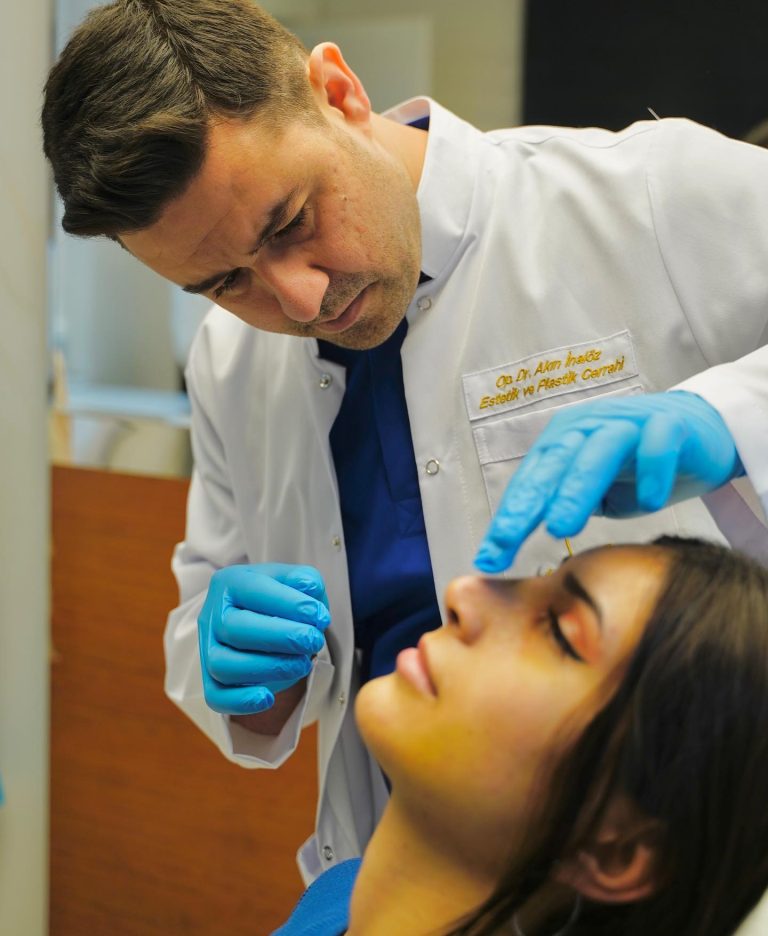
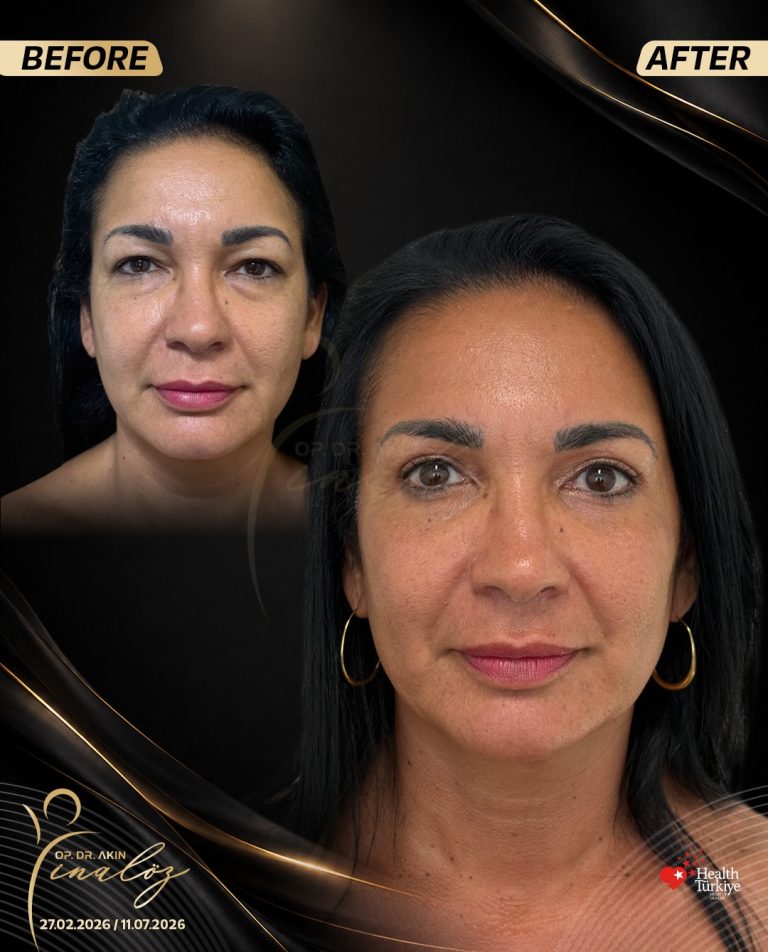
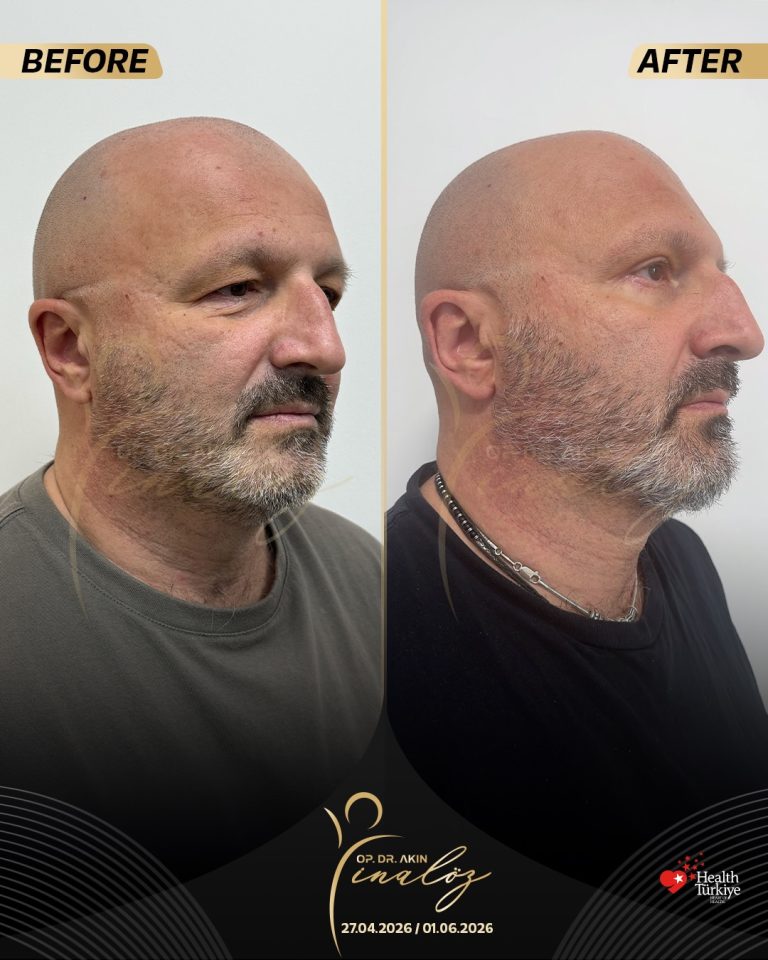
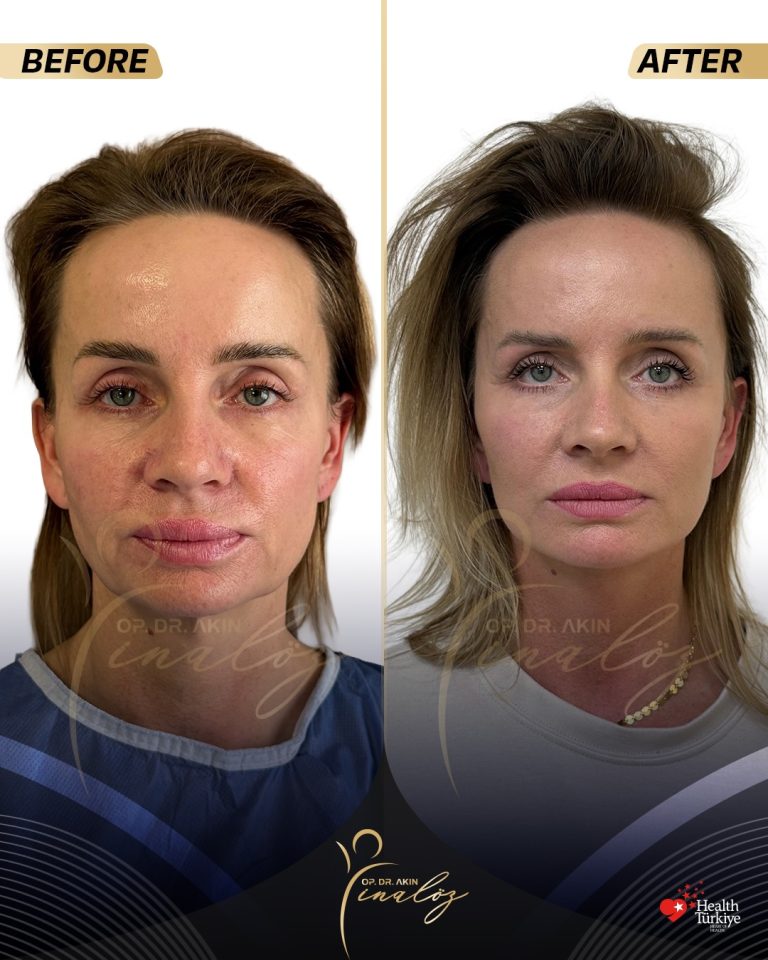
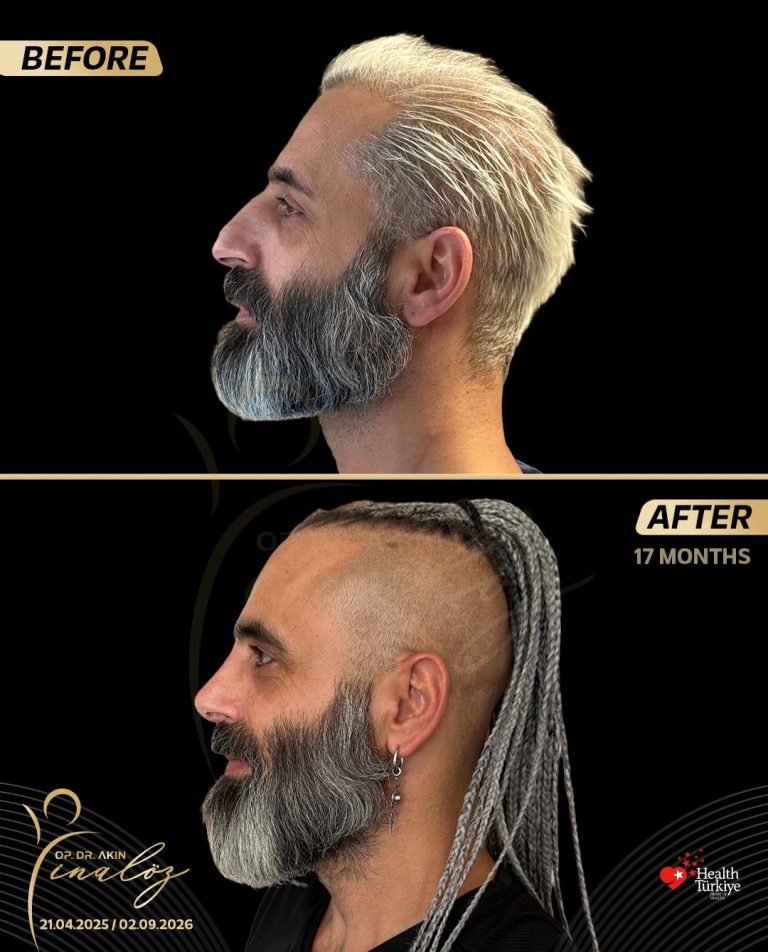
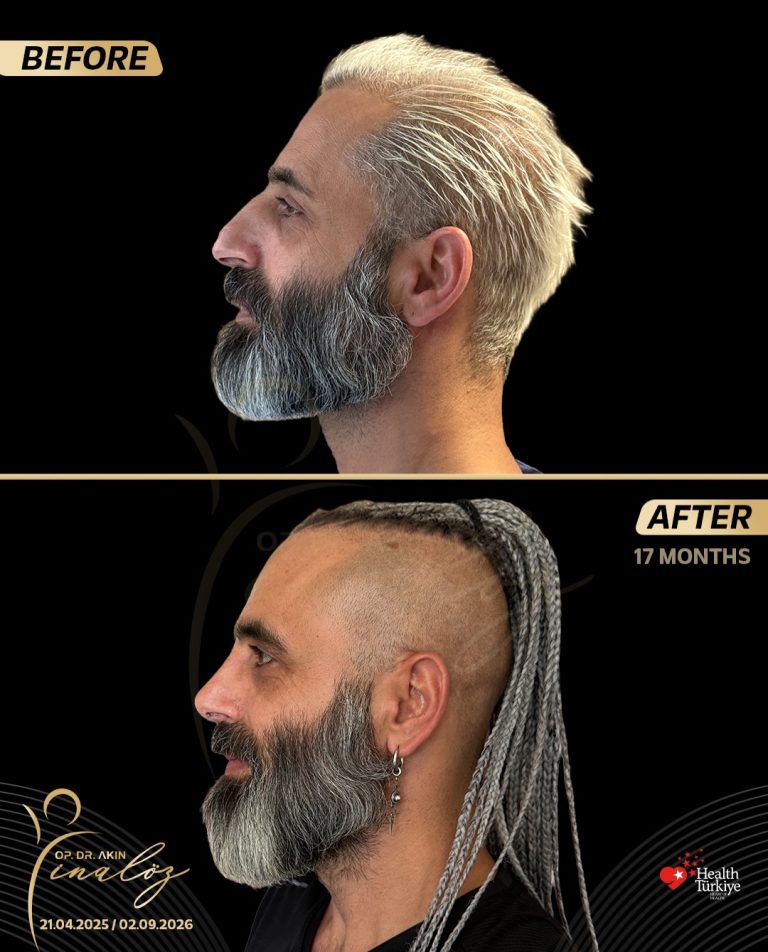
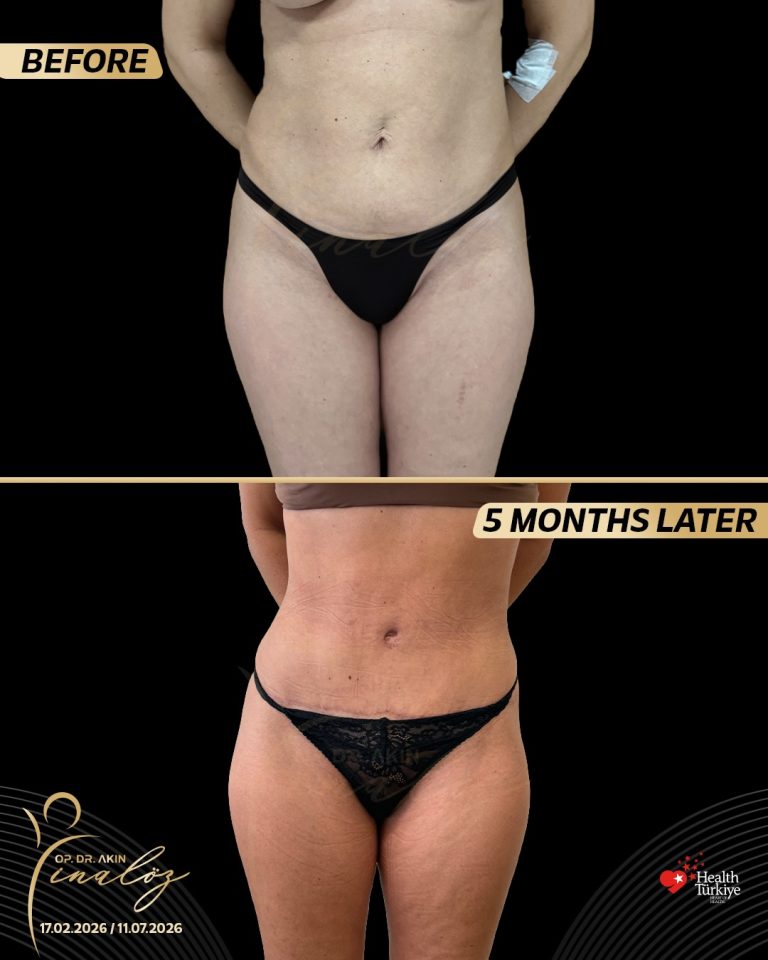
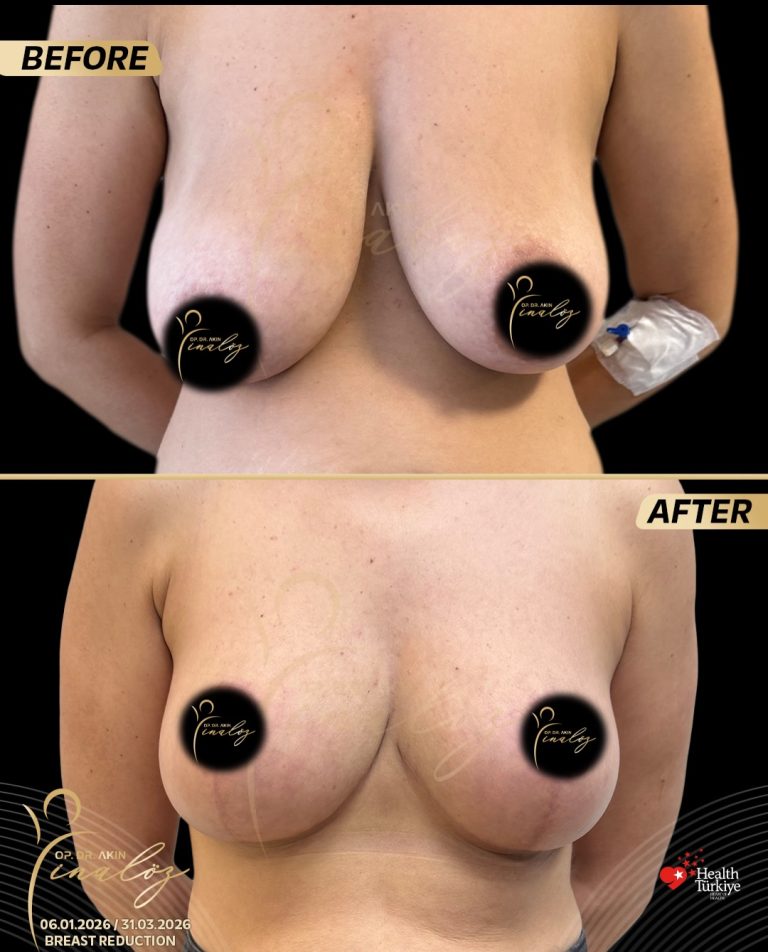
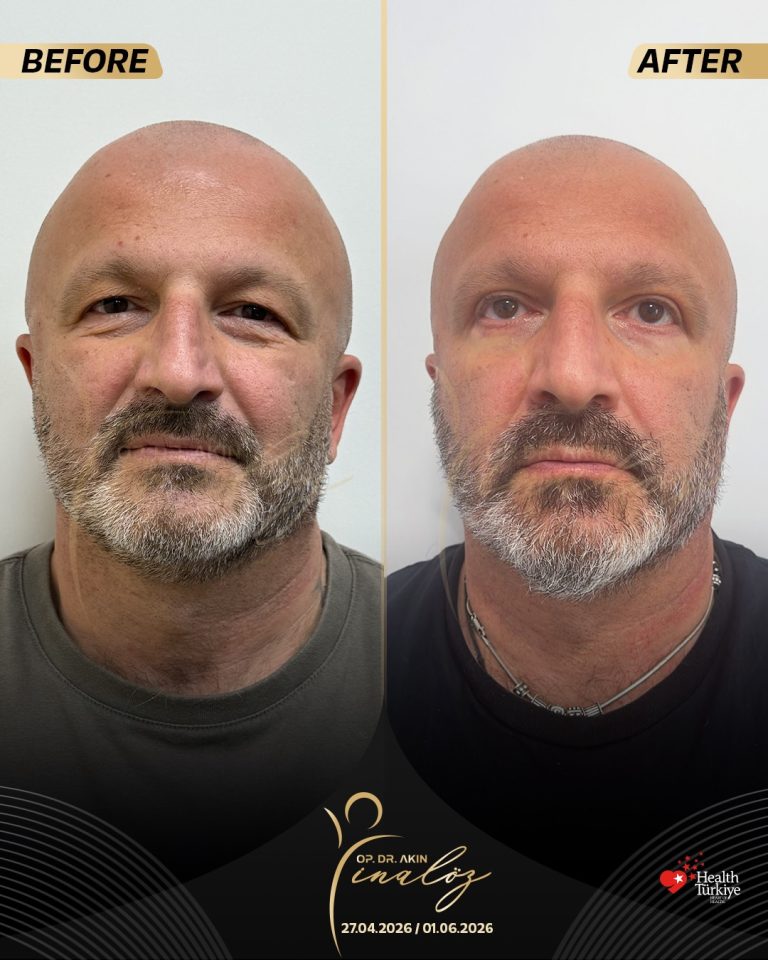
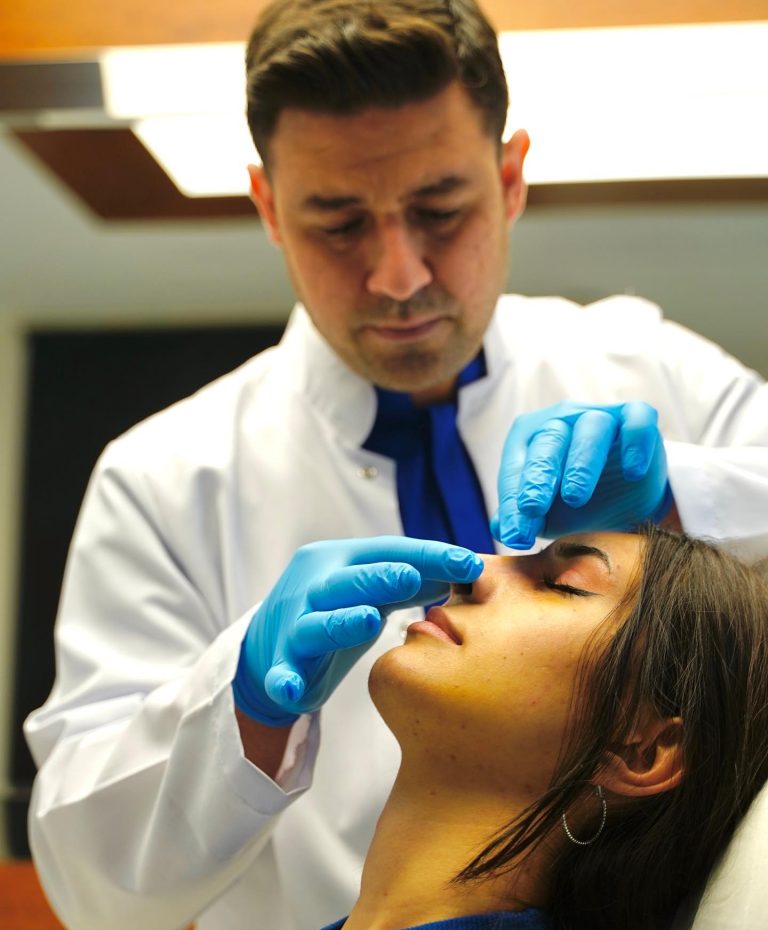
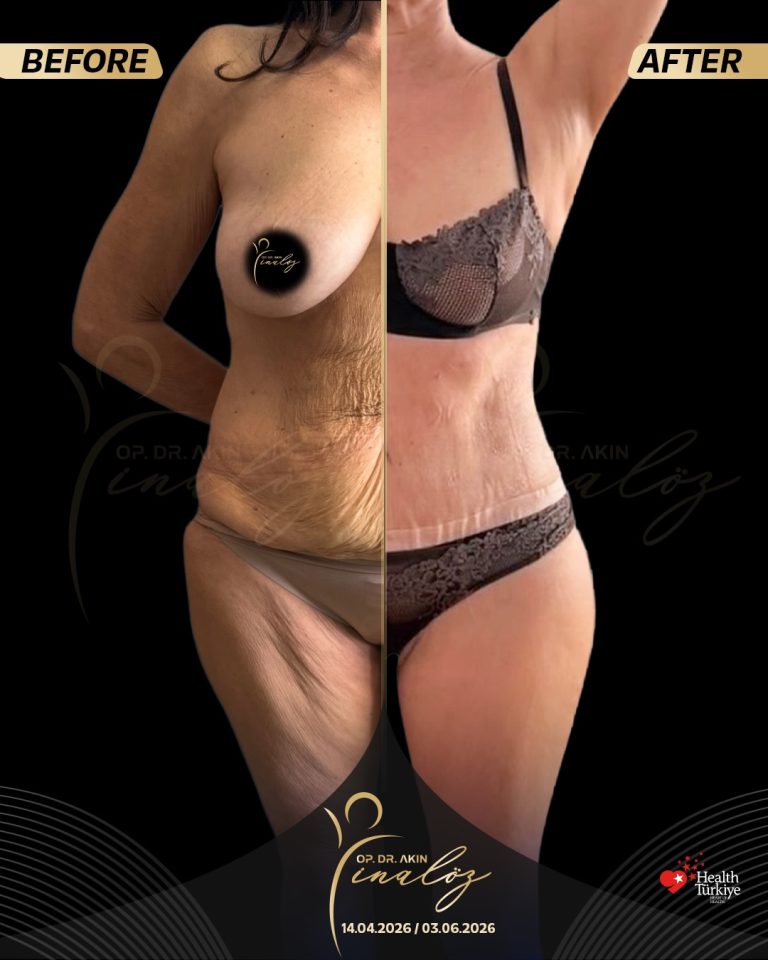
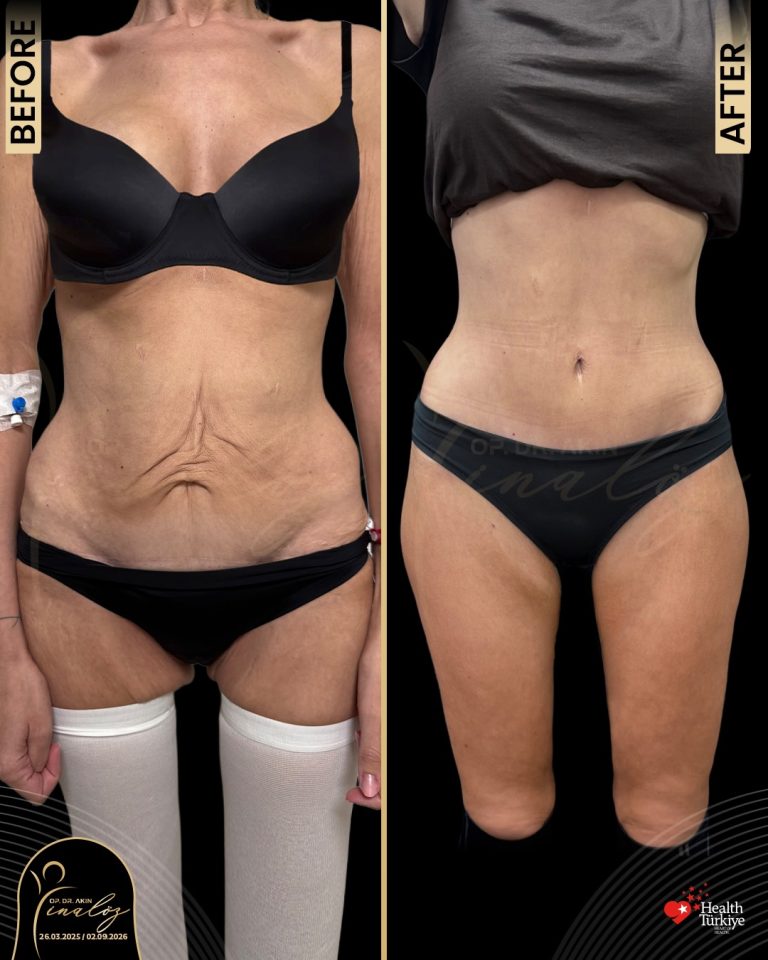
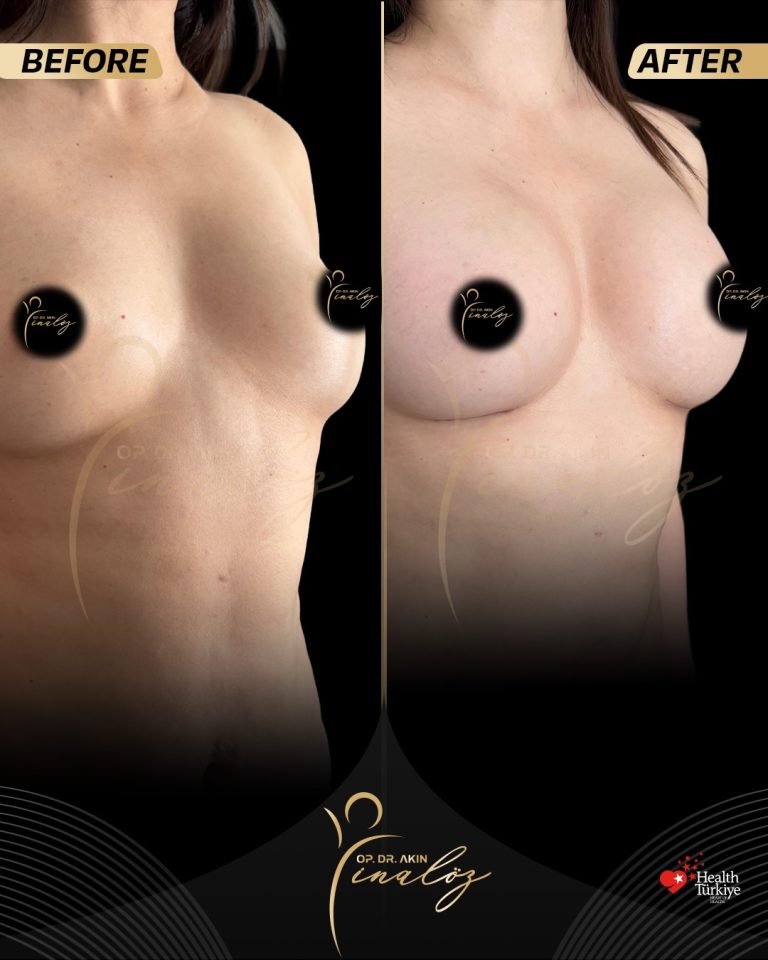
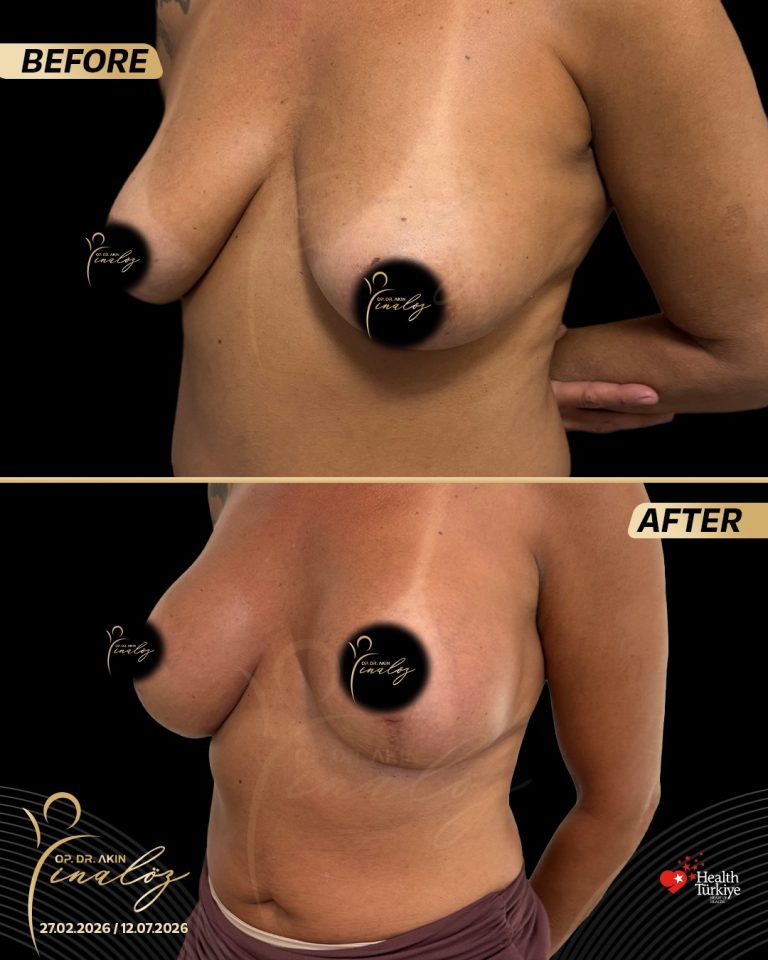
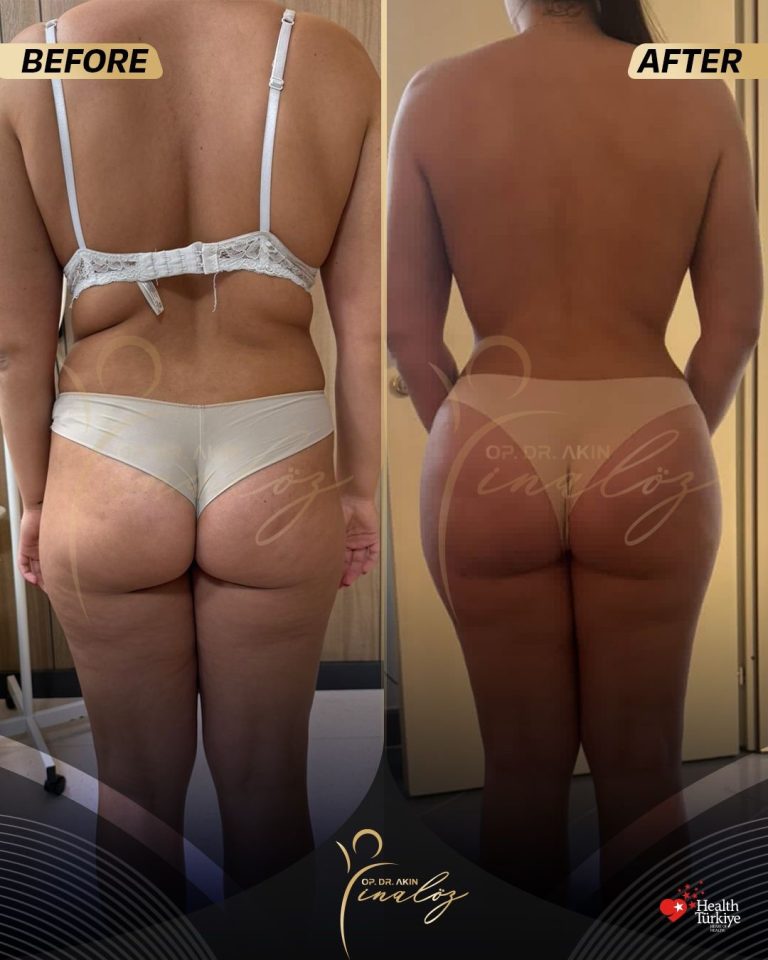
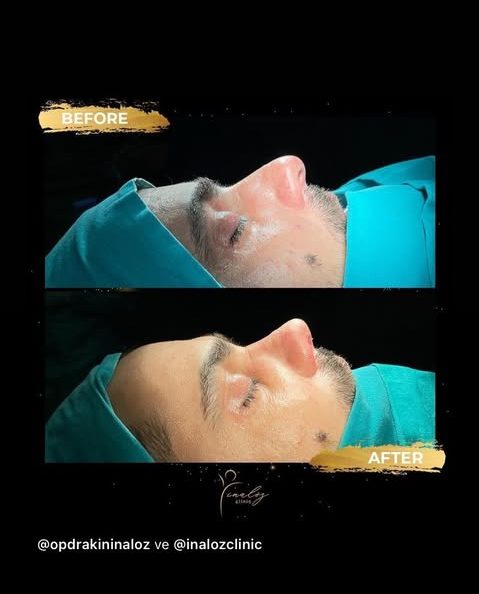
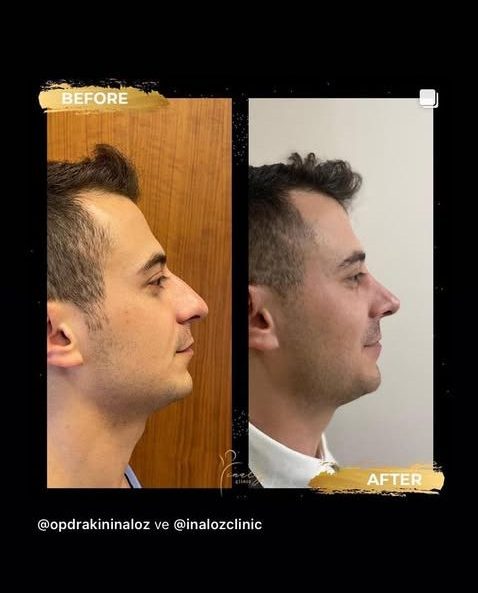
My goal is not just to perform a procedure, but to guide each patient through a safe, well-planned process toward a result that feels genuinely their own.
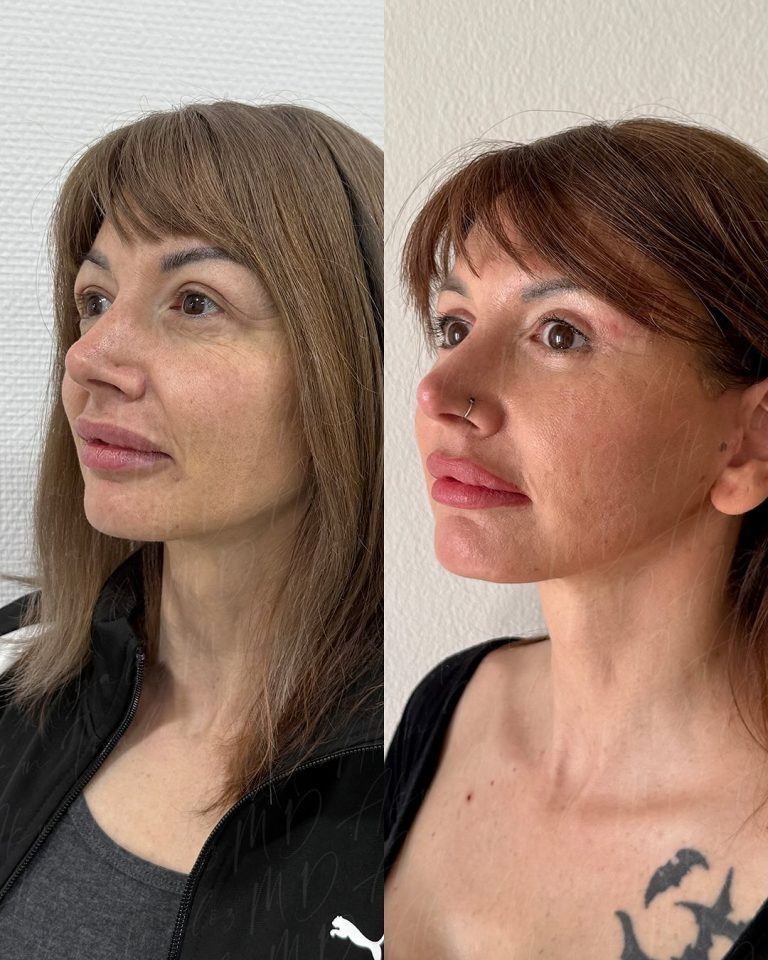
Results shown are of actual patients and may vary.
RELATED PROCEDURES
Considering Aesthetic Surgery?
Contact info
- Optimist Residence, Fikirtepe, NO:10/35, 34720 Kadıköy/İstanbul
- +90 535 056 01 50
- info@akininaloz.com.tr